
Future-Proof Your Commute: Save Money and Travel Smarter

Share
How to Future-Proof Your Daily Commute for a Smarter, Cheaper Journey
The daily commute isn’t just about getting from A to B anymore. For many, it’s a big part of household budgets and a key area for making more sustainable choices. As fuel prices jump around and we become more aware of our environmental impact, rethinking how we travel each day isn’t really an option – it’s a must. When you future-proof your commute, you’re making smart, deliberate choices that save you money, cut down your carbon footprint, and simplify your daily routine.
Evaluating Daily Travel Needs
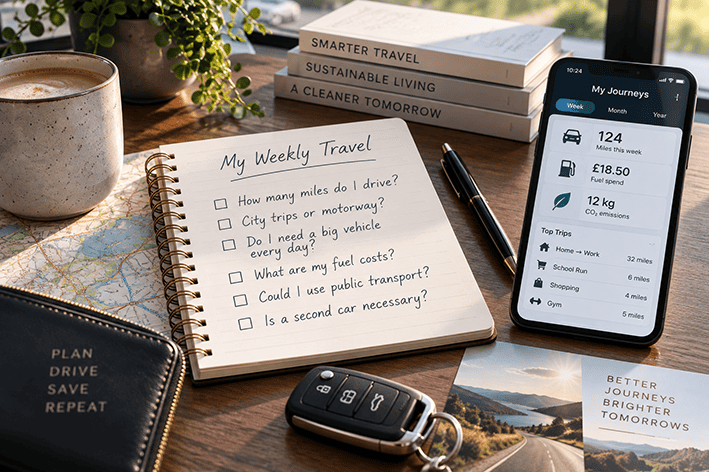
Before you change anything big, it’s vital to understand how you travel right now. Lots of us just go on autopilot, taking the same route in the same car without ever asking if it still makes sense. Start by simply listing your weekly travel. How many miles do you drive? Are your trips mostly short city runs or long motorway journeys? Do you really need a big vehicle every day, or is that only for weekend trips?
Answering these questions gives you a clear starting point. You might find that a second family car barely gets used, or that the fuel costs for your short school run are surprisingly high. Tracking your mileage and spending for a month can uncover unexpected insights and show you the best places to make changes. This information is the bedrock for making smarter, more cost-effective decisions about how you get around.
The Rise of Electric Vehicles
One of the biggest changes in personal transport is the move to electric vehicles (EVs). Once a niche product, EVs are now a mainstream choice, offering a practical way to future-proof your commute. The main benefits are clear: much lower running costs because electricity is cheaper than petrol, zero tailpipe emissions, and a quieter, smoother drive. The consumer perspective on the EV transition shows how more and more people are interested, driven by both environmental concerns and long-term savings.
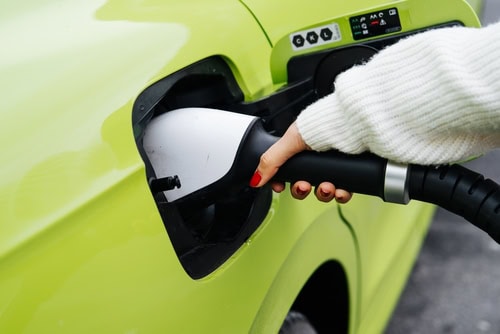
There’s a wider variety of models available now to suit different needs and budgets. If you live in the city, a compact EV can be perfect. A vehicle like the Leapmotor T03 is built for urban efficiency, giving you enough range for daily errands and commuting without the high running costs of a traditional car. And with charging infrastructure growing all the time, “range anxiety” is less of a worry for most drivers.
Cutting Fuel Costs Effectively
Even if you’re not ready for an electric vehicle, you can still take immediate steps to use less fuel and save money. These small adjustments can add up to big savings over a year.
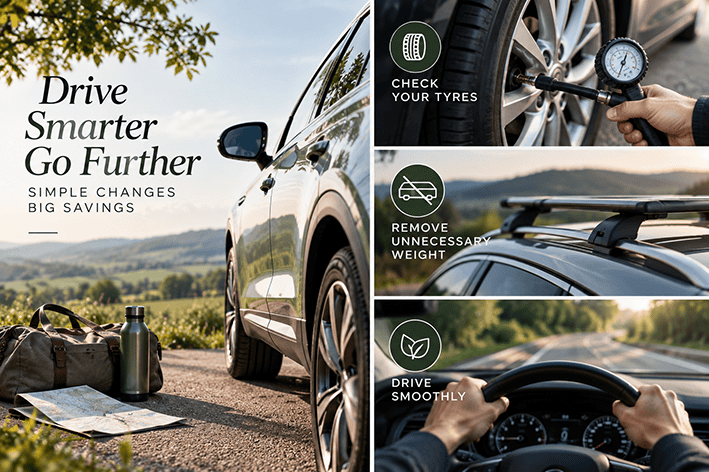
- Check your tyres: Properly inflated tyres reduce rolling resistance and can improve your fuel efficiency by up to 3%. It’s a simple check many drivers forget.
- Reduce weight and drag: Don’t carry unnecessary stuff in your car. A heavier vehicle uses more fuel. Also, take off roof racks or boxes when you’re not using them, as they create aerodynamic drag that makes your engine work harder.
- Drive smoothly: Aggressive driving, like rapid acceleration and hard braking, can increase fuel consumption by as much as 30% on motorways. A gentle foot on the pedals makes for a more efficient and safer journey.
Integrating Smart Tech for Efficiency
Modern technology offers plenty of tools to make your commute smarter and more efficient. Beyond the car itself, the apps on your phone can be powerful allies in saving time and money. Navigation apps like Waze or Google Maps use real-time data to help you avoid traffic jams, road closures, and accidents, suggesting faster and more fuel-efficient routes.
This integration of technology is one of the key factors driving EV growth. Smart charging apps, for example, let EV owners schedule charging during off-peak hours when electricity is cheapest. For those using public transport, apps that show real-time bus and train schedules can help you plan journeys using different modes of transport – maybe driving to a station and taking a train into the city centre to avoid congestion charges and parking fees.
Long-Term Financial Benefits
Ultimately, future-proofing your commute is an investment. While a new EV might cost more upfront than its petrol equivalent, it’s important to look at the total cost of ownership. Over several years, the savings on fuel, road tax, and maintenance can easily outweigh the initial price. EVs have fewer moving parts than internal combustion engines, meaning no oil changes and less wear and tear on things like brakes.

When you combine an efficient vehicle with smarter driving habits and technology, the financial benefits become even clearer. You’re not just saving money on fuel; you’re also reducing wear on your vehicle, avoiding congestion charges, and saving valuable time you’d otherwise spend in traffic. These cumulative savings can be put towards other financial goals, turning your daily commute from a costly chore into a smart financial asset.
Changing your daily travel habits takes some initial effort, but the long-term rewards are undeniable. By consciously choosing more efficient and sustainable options, you can create a commute that’s better for your wallet and the world around you.

