
Electric Car Lifestyle: How EVs Are Changing Everyday Driving

Share
How Switching to an Electric Car Changes the Way You Drive
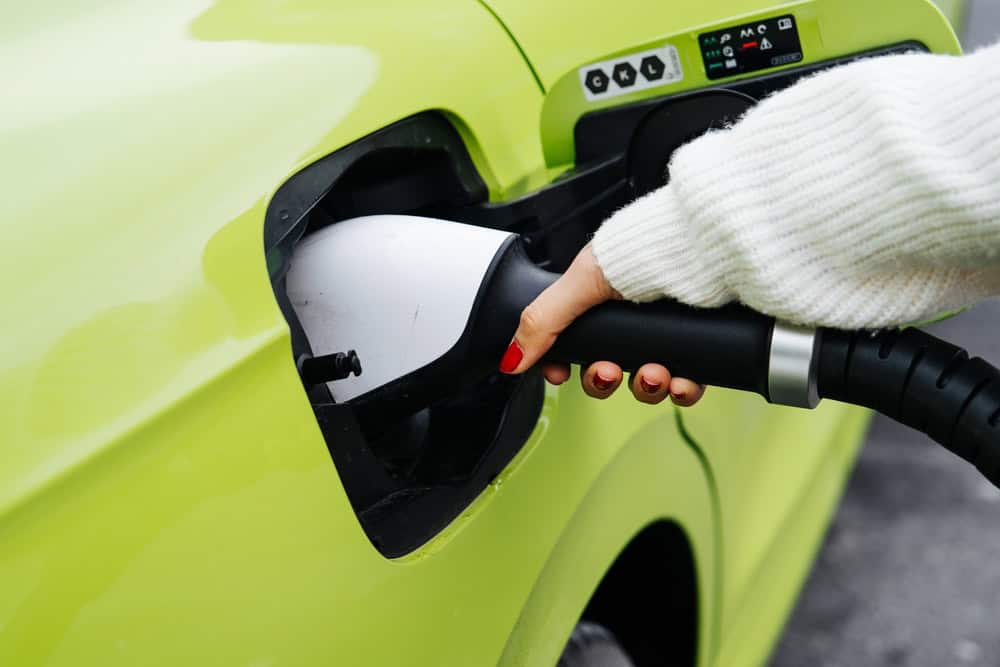
The shift to electric cars is more than just a change in what powers our vehicles; it’s a fundamental change in how we live with them. For decades, the rhythm of driving has been dictated by the fuel gauge and the weekly trip to the petrol station. Now, a new routine is emerging, built around home charging, quieter journeys and a different relationship with the open road. This isn’t just about swapping petrol for electricity, it’s about embracing a new lifestyle.
Beyond the Fuel Pump: Daily Living
Switching to an electric vehicle (EV) changes your daily routine in subtle but significant ways. The most immediate difference is the driving experience itself. The near-silent operation and smooth, instant acceleration create a more relaxing and responsive feel behind the wheel. Many drivers find their journeys less stressful without the constant noise and vibration of a combustion engine. This new standard of quiet performance is becoming a hallmark of modern vehicles, from city runabouts to family SUVs. Top manufacturers are continuously refining this experience, and the latest range of Subaru cars showcases how advanced technology can be integrated with everyday practicality and comfort.
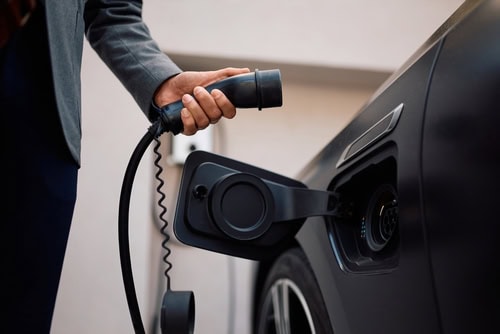
Beyond the drive, maintenance becomes simpler. With fewer moving parts, there are no oil changes, fan belts or exhaust systems to worry about. Servicing is still necessary for things like brakes, tyres and suspension, but the regular, messy jobs associated with traditional cars disappear. This frees up both time and money, simplifying car ownership considerably.
Charging at Home and On the Go
Perhaps the biggest lifestyle adjustment is refuelling. Instead of making a specific trip to a petrol station, charging an EV is more like charging your phone. The most common method is charging at home overnight. You simply plug your car in when you get home from work and wake up to a full battery every morning. This small habit completely removes the need for weekly fuel stops, ensuring your car is always ready for the day’s commute or school run.
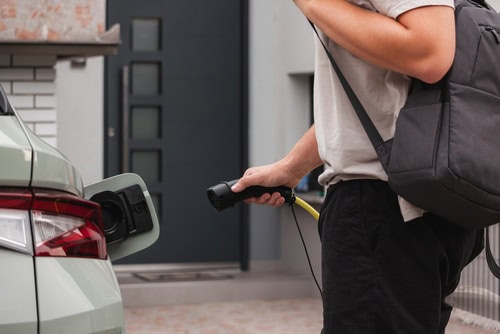
For longer journeys, the public charging network is constantly expanding. You’ll find rapid chargers at motorway service stations, supermarkets and public car parks. A quick 20-30 minute stop can add significant range, often just enough time to grab a coffee and stretch your legs. This does require a slight shift in mindset, encouraging you to plan breaks into your long-distance travel, but it soon becomes second nature.
The Evolution of Sustainable Driving
Choosing an electric car is often part of a wider commitment to a more sustainable lifestyle. The benefits of electric vehicles are clear, most notably the complete lack of tailpipe emissions, which contributes to cleaner air in our towns and cities. As the national grid incorporates more renewable energy sources like wind and solar, the environmental credentials of driving an EV will only get stronger. This connection to a cleaner future is a powerful motivator for many drivers.
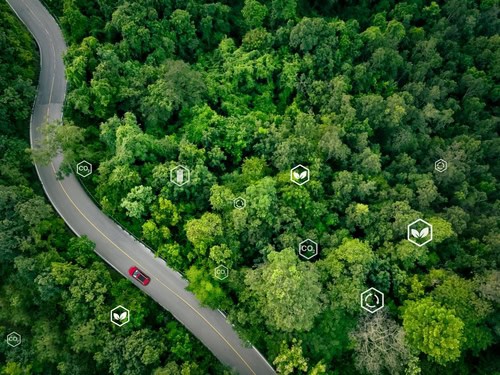
This eco-conscious mindset often extends beyond the car itself. EV owners may become more aware of their overall energy consumption, perhaps leading them to switch to a green energy tariff at home or install solar panels. It’s a ripple effect where one positive change encourages others, creating a lifestyle that is more in tune with the environment.
Making the Switch: What to Consider
If you’re thinking about going electric, there are a few practical points to weigh up. “Range anxiety”, the fear of running out of power before reaching a charger, is a common concern, but it’s becoming less of an issue. Modern EVs offer impressive ranges that cover the vast majority of daily driving needs, and the growing charging infrastructure provides a safety net for longer trips.
The initial purchase price of an EV can be higher than a comparable petrol or diesel model, but it’s important to look at the total cost of ownership. Lower running costs from cheaper electricity and reduced maintenance can lead to significant savings over the car’s lifetime. It’s a balance of upfront investment versus long-term value. There are many challenges and opportunities to explore, but for more and more people, the numbers are starting to add up in favour of electric.
Ultimately, the move to electric driving represents a positive and forward-thinking evolution. It’s a change that simplifies daily routines, reduces our environmental impact and redefines the simple pleasure of being on the road.

