
Electric Car Running Costs: How Much Could an EV Really Save You?

Share
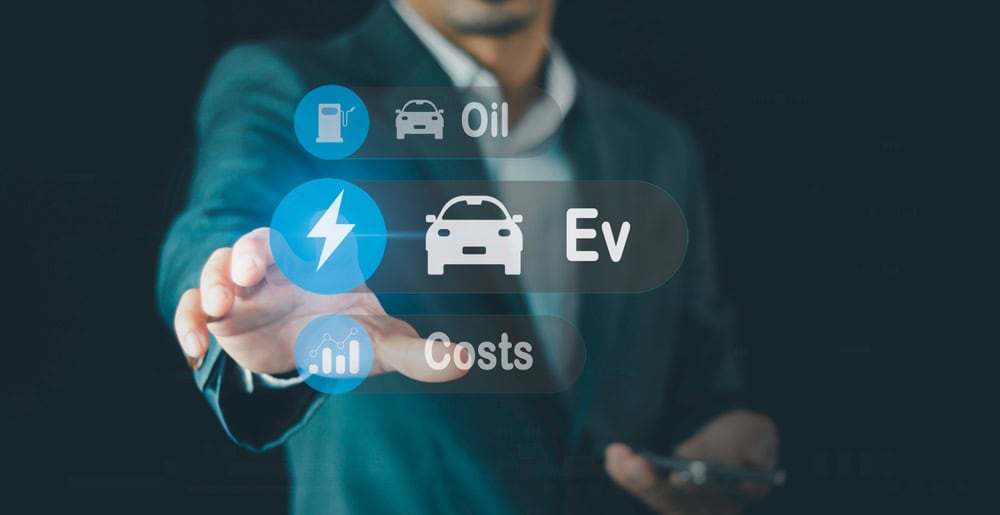
Do Electric Cars Really Save You Money? The Costs Behind EV Ownership
The switch to electric vehicles often comes down to wanting lower running costs, but the savings go much further than just what you pay at the petrol pump. While an EV might cost more to buy upfront than a similar petrol or diesel car, the total cost of owning one is usually much lower over time. To understand these savings, you need to look at everything: from daily charging and routine maintenance to taxes and insurance.
For many drivers, once they calculate these long-term benefits, they find that going electric isn’t just good for the environment; it’s a smart financial move. The trick is to look past the initial price tag and consider the full cost of running the vehicle every day.
Comparing Fuel vs. Electricity Costs
The first and most obvious saving for any EV driver is the cost of fuel. Instead of paying for petrol by the litre, you pay for electricity by the kilowatt-hour (kWh). This difference is huge. Charging an EV at home, especially on a standard or off-peak electricity tariff, is much cheaper than filling a tank. For example, a petrol car getting 45 miles per gallon might cost about 15p per mile to run, but an EV could cost as little as 5p per mile when charged overnight at home.

Public charging networks cost more than home charging, but they often still save you money compared to petrol. Prices vary depending on the network and charging speed, but even with these higher rates, you’ll still save a lot on fuel. A quarterly EV cost savings report can show just how much drivers can save on fuel alone, proving that electric power consistently has the advantage.
Finding Value in a New EV Purchase
When you’re looking for a new car, it’s easy to focus only on the purchase price. But with electric vehicles, the total cost of ownership gives you a much clearer picture of its true value. This calculation includes the purchase price, government incentives, fuel, maintenance, insurance, and even potential resale value. A car that seems more expensive at first might actually cost you less over three to five years.
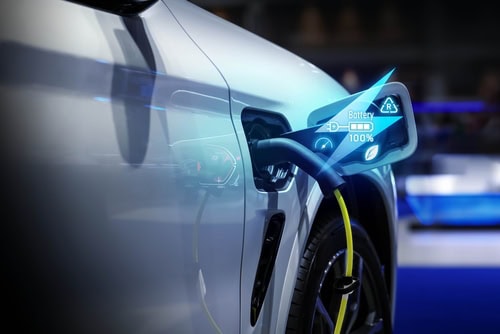
To figure out which model offers the best long-term value for your specific needs, it helps to talk to an expert about your driving habits and budget. Chatting with a specialist BYD dealer can help you compare models and understand each vehicle’s efficiency, range, and charging capabilities. They can give you a clear breakdown of running costs, showing how that initial investment turns into long-term savings.
Maintenance Savings with EVs
Electric vehicles have far fewer moving parts than cars with internal combustion engines. This directly means lower maintenance costs and fewer trips to the garage. An EV doesn’t need oil changes, spark plugs, filters, or an exhaust system that can fail. This simplicity is one of the main electric vehicle benefits that owners really appreciate.
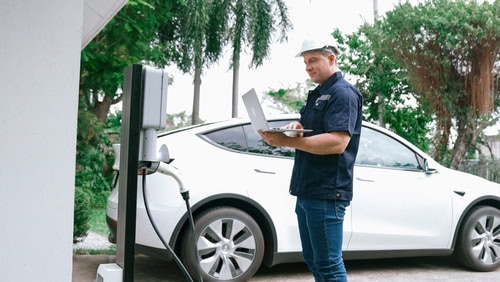
Plus, EVs use something called regenerative braking. This is where the electric motor slows the car down and sends kinetic energy back to the battery. This process significantly reduces wear and tear on the brake pads and discs, so they don’t need replacing nearly as often. Over the car’s lifetime, these reduced maintenance needs can save you thousands of pounds.
Government Incentives and Grants
The UK government keeps encouraging the shift to electric vehicles with various financial incentives, though these have changed over time. While the plug-in car grant for new cars has ended, other support is still available. For instance, the EV chargepoint grant helps cover the cost of installing a home charger for people living in flats or rented properties.
Beyond grants, there are big tax advantages. Fully electric vehicles are currently exempt from annual Vehicle Excise Duty (VED). For company car drivers, the benefits are even greater. The Benefit-in-Kind (BiK) tax rate for electric vehicles is extremely low compared to petrol and diesel cars, making them a financially appealing choice for both employees and employers.
Insurance Considerations for EVs
A common question about EVs is whether they cost more to insure. In the past, premiums for electric cars were sometimes higher because of their greater purchase price and the specialist knowledge needed for repairs. However, as EVs have become more common, the insurance market has caught up.
More insurers now offer competitive policies for electric vehicles, and prices are starting to match those of petrol cars. Factors that affect your premium include the car’s model, its security features, and your driving history, just like with any vehicle. It’s always smart to shop around and use comparison websites to find the best deal. Many modern EVs also come with advanced safety features that can help lower insurance costs.
When you look at all expenses together – from charging and maintenance to taxes and insurance – the financial case for switching to an electric vehicle becomes incredibly strong.

