How Winter Impacts Mental Health in the UK: New Research Reveals Rising Stress Levels

Share

‘Shorter Days, Higher Stress’: How Winter Is Affecting the Nation’s Mental Health
As the colder months set in, many adults are finding it harder to switch off and take care of their mental health.[i] New research shows that around 31 million people find that winter makes it tougher to prioritise their wellbeing, and experts are urging small, restorative steps to help ease the winter blues.[ii]
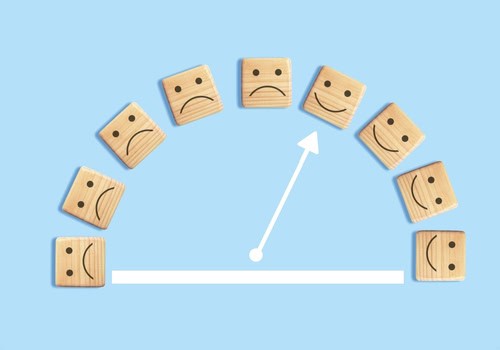
The national study, commissioned by Kalms Herbal Remedies, highlights how relentless busyness is taking its toll:
- Over half of UK adults (56%) say they’re too busy to spare five minutes for emotional wellbeing, with one in ten (10%) too busy every day
- In the past month, nearly a quarter of adults reported feeling stressed (24%) or fatigued (24%), while almost one in five experienced anxiety (18%)
- Many are delaying basic needs, such as drinking water (22%), going to bed on time (19%) or taking a moment to rest (14%)
- Alarmingly, one in ten have put off showering (12%) or forgotten to brush their teeth (10%) because they are too busy
- Women are feeling the strain more than men – nearly half (45%) often lay awake at night worrying about their busy schedules
Winter adds extra hurdles for emotional wellbeing. 57% of adults say it’s harder to prioritise their mental health during the colder months with 17% specifically citing Christmas as a driver of stress, including its financial pressures (15%). For 12%, the shorter days and lack of sunlight make it even harder to focus on self-care.

Kalms spokesperson, Elizabeth Hughes-Gapper, comments on the study:
“Winter magnifies the pressures many of us feel year-round. Shorter days, festive obligations and cold weather can make it even harder to take a few moments for ourselves. Our Small Steps to Kalmfulness Study shows that taking a short pause in the day can make a real difference, helping people to feel calmer, more resilient and better able to navigate daily and seasonal challenges.”
How the Nation Would Spend Spare Minutes
Recognising the importance of time well spent, the survey found that almost half of adults (48%) believe that dedicating small, manageable moments to their own emotional wellbeing could improve their day, with 46% recognising they would benefit from more opportunities to slow down.
When asked how they would spend extra time each day, the nation dreams of quality time with loved ones (25%), spending time outdoors (23%) or simply catching up on sleep (22%). If they had just five to ten minutes available, people would opt for a short walk (30%), enjoy a cup of tea (20%) or have a relaxing bubble bath (18%).
Yet barriers to self-care remain. Stress (19%), competing responsibilities (17%) and lack of time (15%) top the list. One in ten (13%) admit feeling guilty about prioritising themselves, with a similar number (11%) unsure where to even start.
Chartered psychologist, wellbeing specialist and author of the new self-care book How to Be Selfish, Suzy Reading, says the findings highlight the importance of small, achievable moments of calm – especially in the winter:
“Kalms’ findings underscore the obstacles many of us face when it comes to emotional wellbeing. But the solutions don’t need to be complicated or time-consuming. Even the smallest steps can make a genuine difference – and it’s not just about the obvious foundations of sleep, nutrition and exercise. My mantra is that self-care is health care, and it can be as simple as finding tender, tiny pauses in your day to restore balance and calm.”
Suzy’s Small Steps to Reclaim Calm this Winter:

- Welcome winter with gentle anticipation: “Shift winter dread into small moments of anticipation. Notice the pleasures unique to the season – crisp mornings, cosy lights, warm drinks, frosty textures. Keep a short ‘winter joys’ list, adding new discoveries as you go, and use it as a gentle prompt to reflect on what you’re grateful for.”
- Give self-care a space in your diary: “Block out small pockets of time as you would any important appointment. Writing plans down makes you far more likely to follow through, helping self-care become a winter habit.”[iii]
- Create cosy rituals that truly comfort: “Choose comforting practices that nourish you now and support your future self – a warm bubble bath, face massage, gentle breathwork or a soothing cup of tea. Let comfort be mindful, not mindless.”
- Get outside, no matter the weather: “Just 2–3 minutes outdoors can work wonders for your wellbeing. Notice the winter sky, silhouettes of bare trees or the sound of birds. Even tiny moments in nature help regulate stress.”
- Look at calming imagery: “When getting outside isn’t possible, peaceful scenes can still settle your nervous system. With 44% of UK adults finding calm by viewing tranquil imagery, winter landscapes, soft lights, snowy forests or the Kalmfulness Virtual Gallery can offer a quick dose of seasonal serenity.”
- Retreat but stay connected: “Lean into winter’s slower rhythm without isolating yourself. Reach out to someone you ‘winter well’ with – share a message, call or catch up over a cup of tea. Staying connected, even in small ways, nurtures a sense of belonging and lifts your mood during the darker months.”
- Explore herbal support: “A third of UK adults (32%) find herbal remedies helpful, offering a gentle source of support during the winter months. Valerian root[iv] may support relaxation and sleep, whilst research shows that lavender oil, when taken orally,[v] can help ease stress and anxiety. Choose what feels right for you.”
- Reflect without overwhelm: “Winter naturally invites us to slow down and take stock, but reflection can feel daunting without a guide. These three simple prompts can help anchor your thoughts and bring focus to what really matters: ‘My purpose this winter is… I give myself permission to… My priorities are…’ Even jotting down a few lines turns quiet moments into a grounding practice that reduces overwhelm, clarifies priorities and supports calm, intentional action.”
Suzy concludes:
“Finding calm doesn’t mean overhauling your life. It’s about finding pockets of peace in the everyday. Small steps are achievable – and they really can change how we feel.”
For more information and advice, visit www.kalmfulness.com.