How to Get a Cosy Night’s Sleep This Autumn (No Heating Required)

Share

Autumn is here, and after the energy price cap increased by more than 2% on October 1, most of us are holding off switching the heating on for as long as possible. The problem? Sleeping. Cooler nights can leave you too cold to drift off, but piling on heavy layers often means you overheat at 2 am.
To understand why autumn can be so disruptive to sleep, Phoebe Street, Brand Marketing Manager and Sleep Expert at Pretty You London, and Dr Gareth Nye, Lecturer in Biomedical Science at the University of Salford, explain why seasonal changes make it harder to rest and share 9 science-backed tips for getting better sleep this autumn.
Why does autumn disrupt sleep so much?
“Shorter days and reduced light exposure, especially during autumn and winter, can significantly impact sleep, circadian rhythms, and melatonin production,” says Dr Gareth Nye.
“It all revolves around the hormone melatonin, which signals the body to sleep. Levels naturally increase in darkness. As we have to wake during darkness with the shorter days, our body is at odds with natural rhythms and tries very hard to revert to a normal pattern again. The reason we feel so tired during the day in autumn and winter is the rise in melatonin due to the lack of light.”
Dr Nye adds that sudden temperature drops can also disrupt rest: “Colder room temperatures tend to favour better sleep, but sudden drops in temperature can disrupt sleep through shivering and discomfort.”
Mood is another factor. “It’s very chicken and egg – lack of sleep impacts mood, but mood can also disrupt sleep, and so trying to tease apart each here can be tricky. Season-associated depression is a real condition and is due in part to disrupted sleep and lower serotonin and vitamin D levels with the lack of sunlight.”
- Warm the bed, not the room
“As it gets cooler this autumn, it’s tempting to shut every window and crank up the heating to max,” says Phoebe Street. “But cooler bedrooms are actually better for sleep, with research showing that most people drift off best at around 16–18°C.”
Dr Nye supports the temperature point: “Colder room temperatures tend to favour better sleep.”
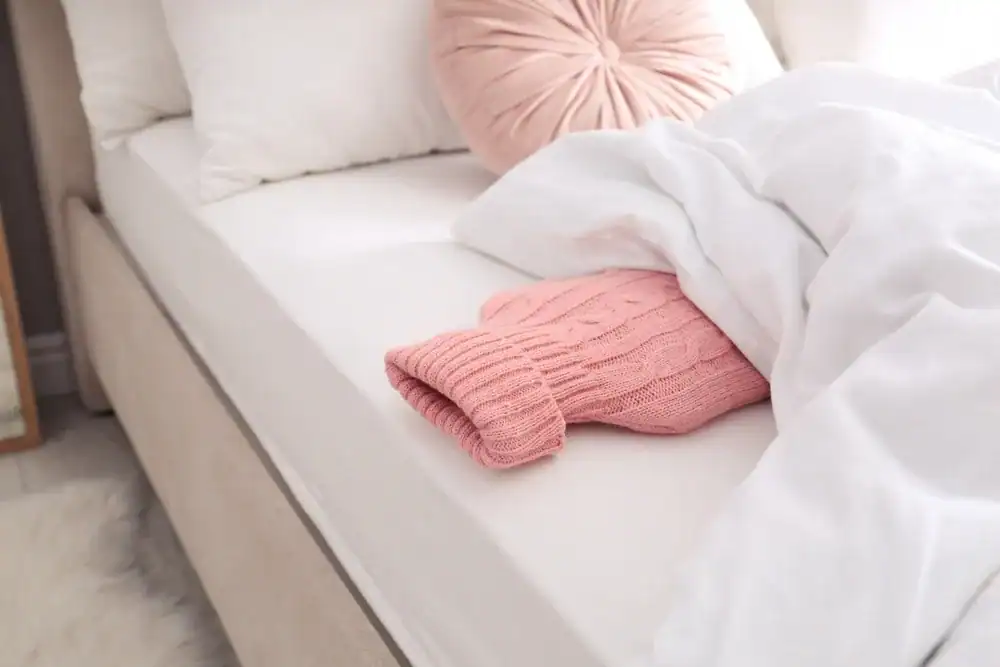
Phoebe recommends: “Put a hot water bottle in your bed or use an electric blanket for ten minutes before you go to sleep. This warms up your sheets and helps you relax, while avoiding overheating once you’re asleep due to an overly warm room.
- Keep hands and feet warm
“Your hands and feet play a huge role in your sleep,” says Phoebe.
“They contain thousands of blood vessels that open up to release heat when you need to cool down, and narrow when you need to keep warm. That means keeping your hands and feet warm helps your body regulate its overall temperature.”
“Wearing socks, putting a hot water bottle at the bottom of your bed, or even rubbing your hands together before bed to get circulation moving can all help.”
- Dim evening light
Dr Nye says light management is particularly important in autumn: “The level of artificial light sources through screens disrupts the circadian rhythms and can suppress the melatonin levels to help engage with sleep.”
“Therefore, limiting sources of light in the lead up to bedtime and in the bedroom – this one is more important in the darker months.”
He adds, “Alongside this, increasing natural light availability when you wake up can dramatically impact your body and your energy levels and mood.”
Put simply, getting some morning sunlight, using softer artificial lighting in the evening and avoiding phones in the hour before bed helps your body recognise that it’s time to sleep.
- Layer up, but keep them light
“When it’s cold, you might be tempted to wrap yourself up in a super thick duvet,” says Phoebe. “But one thick layer will trap both heat and moisture, so while you might fall asleep quickly, you’re likely to wake up feeling hot and sweaty.”
She recommends lighter layers: “Using a 4.5 or 7.5 tog duvet with an extra breathable blanket on top gives you the flexibility to add or remove warmth through the night.”
- Choose thermoregulating fabrics
“Synthetic fabrics may initially feel warm, but they also trap heat,” says Phoebe. “This means that as your temperature naturally rises as you sleep, you could end up hot, sweaty and damp. As the sweat cools down, you might feel chilly again. That cycle of overheating and cooling can seriously disturb your sleep.”
“Natural fabrics behave differently. Bamboo fibres, for example, have a structure that lets air move while still holding onto enough warmth to keep you comfortable,” she explains. “They also wick away excess moisture quickly, so if you do get sweaty, you’ll dry off quickly.”
So when you’re ready to invest in a new bedding setup, consider switching to bamboo. It may be more expensive initially, but it washes better, lasts much longer and regulates your temperature through every season.
- Pick the right nightwear
“What you wear to bed matters just as much as the bedding you choose,” says Phoebe. “Thick fleeces and wintery sets might feel cosy, but they trap heat and sweat, which can leave you waking up damp and uncomfortable later in the night.”
She recommends natural fabrics: “Natural, breathable fabrics like bamboo allow air to flow and wick away moisture, while still keeping you warm enough to fall asleep. Lightweight, long-sleeved bamboo sets will keep you warm without that stuffy feeling.”
- Take a warm shower before bed
“A warm (not hot) bath or shower before bed can help in two ways,” says Phoebe.
“First, it warms you up so you don’t get into bed feeling freezing. Second, as your body cools down after the shower, it triggers the drop in core temperature that signals to your brain it’s time to sleep.”
“So you’ll feel cosy getting into bed, without needing to pile on too many heavy layers.”

- Keep moisture under control
“Thanks to the rainy British autumn weather, by the time September rolls around, many of us are drying clothes indoors,” says Phoebe. “But this releases extra moisture into the air, which can make your bedroom feel even colder.”
Her fix: “Focus on steady airflow in your bedroom. Opening a window a tiny bit helps, without creating a draught. If you have a dehumidifier, this is another easy fix, and can make a big difference to how warm your bedroom feels overnight.”
- Block out draughts
“UK homes, especially older ones, are notorious for draughts. A cool room is good for sleep, but a cold draught running across your face or body at 3 am definitely isn’t. It can cause your temperature to fluctuate, which again, leads to broken sleep,” says Phoebe.
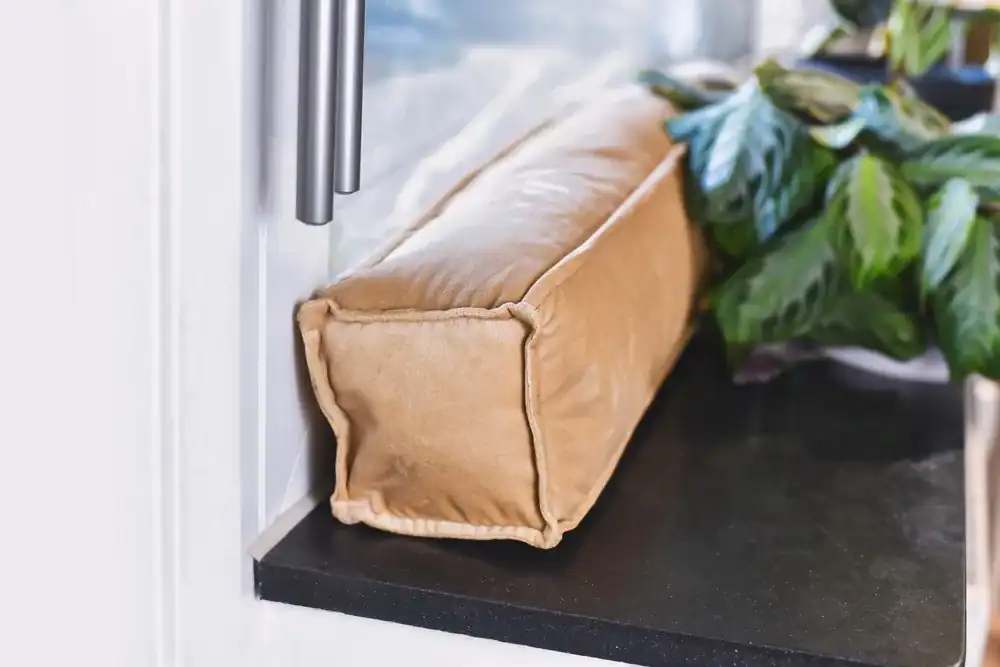
Her advice? “Block out those draughts. This can be as simple as rolling up a towel as a quick draught excluder (if you don’t have one), making sure windows are properly shut or simply moving your bed away from obvious cold spots.”
Pinterest Colour Trends for Autumn/Winter 2025: The Shades Everyone’s Searching For