Garden Design Mistakes That Make Your Space Feel Smaller—And How to Fix Them

Share
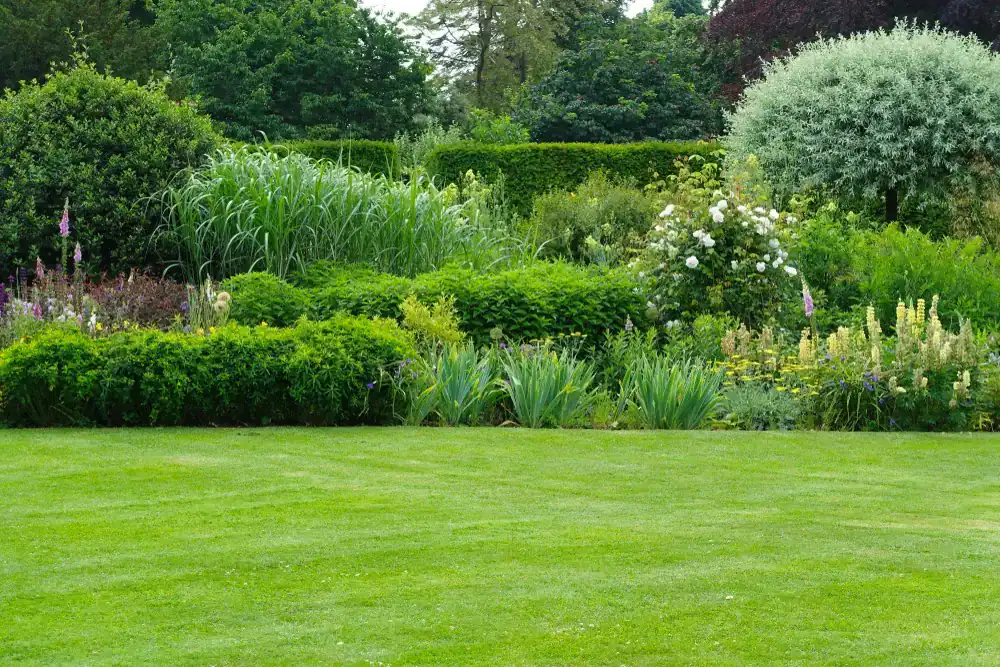
Brits looking to make the most of their outdoor spaces this summer are being told of design mistakes that could be making their garden feel smaller.
The garden experts at GardeningExpress.co.uk have shared how certain design choices can make an area appear smaller than it really is.
With summer on the way, homeowners are being encouraged to make the most of their outdoor spaces for relaxing and hosting.
To get the most out of their gardens, the experts are advising Brits to avoid closing off seating areas and using furniture that is too big for their space.
Nick Wood, garden expert at GardeningExpress said: “Garden design is really important and there are different choices that influence the way your garden feels.
“Things like large and bulky furniture and overgrown plants and trees can draw the eye inward, making the space feel smaller than it actually is.
“Everyone wants a garden that feels open, airy and spacious and you don’t need to have a large garden to achieve this.
“Keep seating areas facing outwards and consider zoning off sections of the garden to help it feel bigger. You’ll also want to make sure you incorporate some vertical elements. If you have a smaller garden, this will help you make the most of the space.”
9 things making your garden feel smaller:
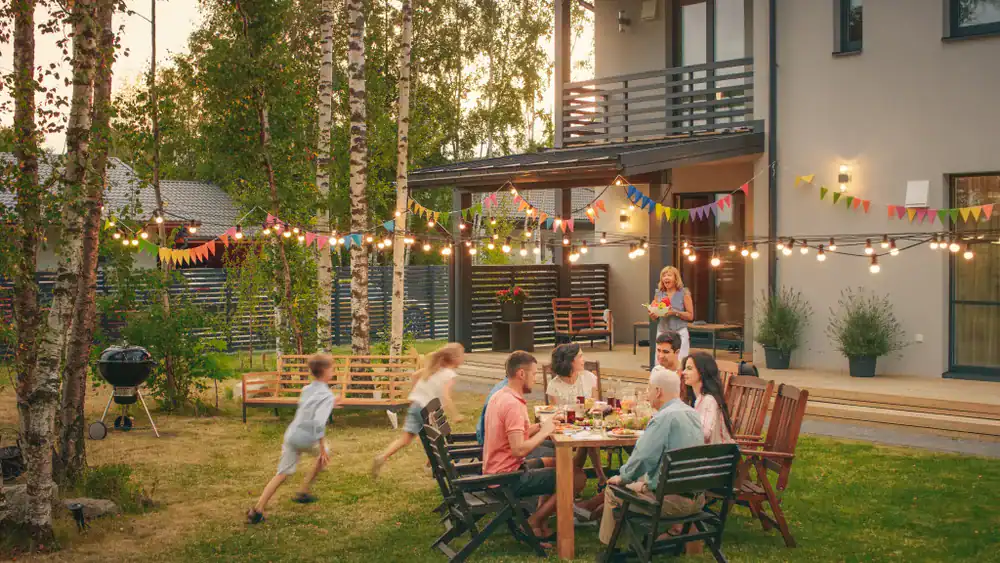
Closed off seating areas
Positioning your seating tucked away or against high walls can make the area feel tight and disconnected from the rest of the garden. Make sure your seating is always facing outwards to open spaces or views.
Not maximising the gardens length
Make use of the longest axis of your garden, this tends to be from one corner to the other. Place your seating area on one end facing outwards and create a focal point on the other end to naturally draw the eye across the space.
Having a full visible garden
If you can see your entire garden from one place, it can give the illusion of a smaller space. Add features such as trellises, hedges and archways to encourage people to move around the garden and explore. This can help make smaller gardens feel more expansive.
Incorrect layering of plants
Plants play a huge part in shaping the illusion of a garden. Randomly positioning tall and short plants can look cluttered and cramped. Aim to create depth with the ‘staircase’ effect with tall plants at the back followed by medium and smaller ones in the front.
No vertical elements
Even if your garden is on the smaller side, you can make it feel much more open with vertical elements. Keeping everything ground level can make it look flat and uninteresting. Create height with features such as pergolas, trellises, wall mounted planters and climbing plants.
No garden lighting
A lack of garden lighting can make the garden feel dark and confined, especially in the evenings. Path lights, uplighting and string lights allow you to brighten key areas of your garden and create depth, making the area feel larger and more inviting.
Using bulky garden furniture
It’s important to invest in garden furniture that fits your space and compliments its size. Trying to cram in furniture that dominates the space and becomes the garden’s sole focus can make the area feel cramped.
Poor maintenance and overgrowth
Letting the lawn, trees, plants and hedges grow can make the garden look messy and fuller than it already is. Proper maintenance will help ensure the space feels open, fresh and clean.
No garden zoning
Having a flat garden with nothing in can make the area look flat, small and uninteresting. Consider zoning off the garden to make the space feel more functional. Choose a different area for seating, planting and playing for children and pets and zone off the space with borders.