
How Technology and Smart Design Improve Building Performance

Share

Improving Building Performance Through Technology and Smart Design
Creating a comfortable, efficient and well-maintained building involves more than choosing attractive furniture or installing modern facilities. Property owners and businesses need to consider everything from temperature control and energy efficiency to maintenance and long-term performance.
As technology continues to develop, there are more opportunities to improve how buildings are monitored, managed and maintained. At the same time, thoughtful interior and exterior design can help create comfortable environments that make better use of natural light and available space.
Two areas that demonstrate this are thermal imaging technology and modern window shading solutions. Although they serve different purposes, both can contribute to more efficient and practical buildings.
Understanding the Benefits of Thermal Imaging Technology
Identifying potential problems within a building is not always straightforward. Electrical faults, insulation gaps and overheating equipment may not be immediately visible, meaning issues can sometimes go unnoticed until they become more serious.
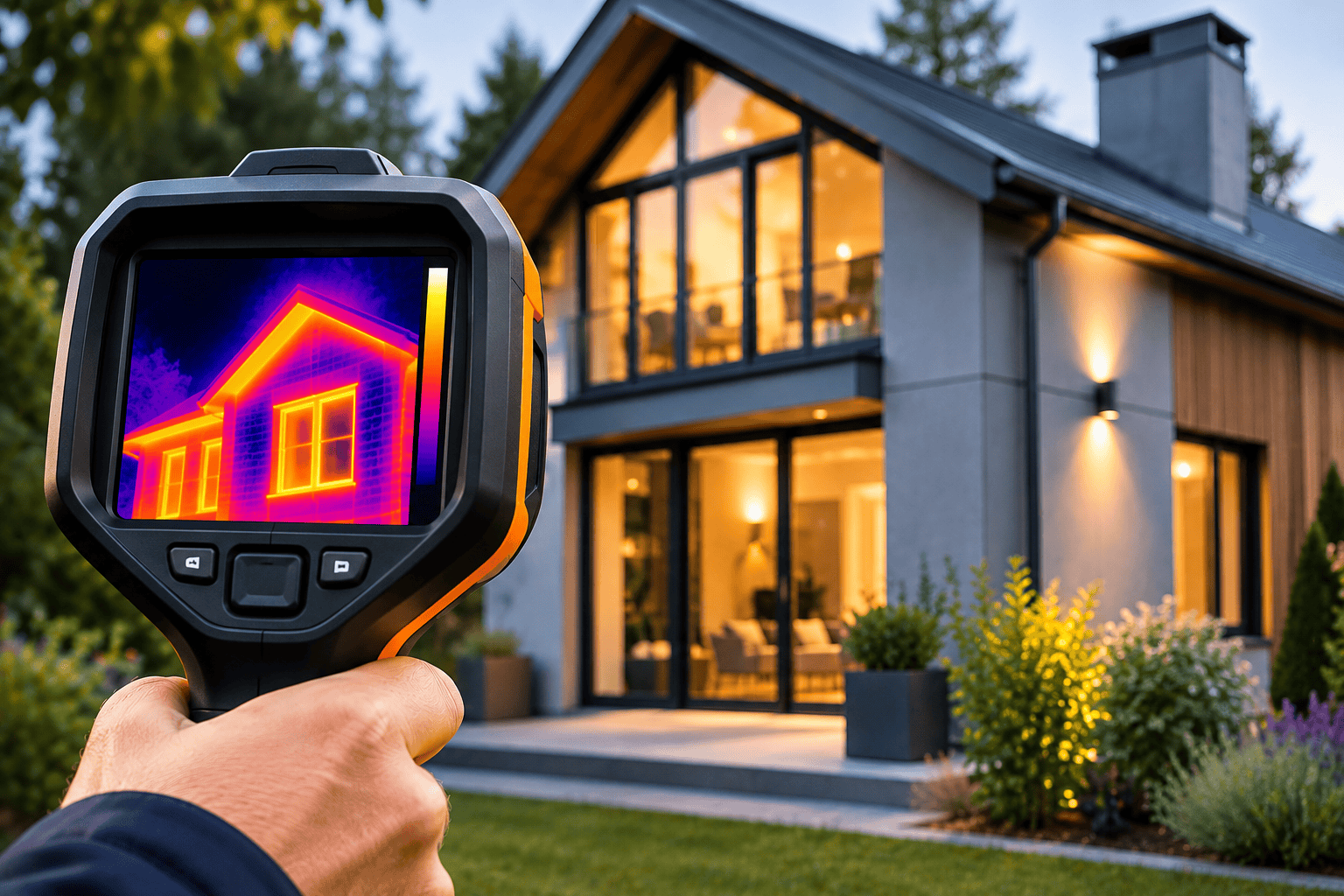
Thermal imaging technology provides a way to investigate these problems by detecting differences in surface temperature. Thermal cameras use infrared technology to create images that show temperature variations across different objects and surfaces.
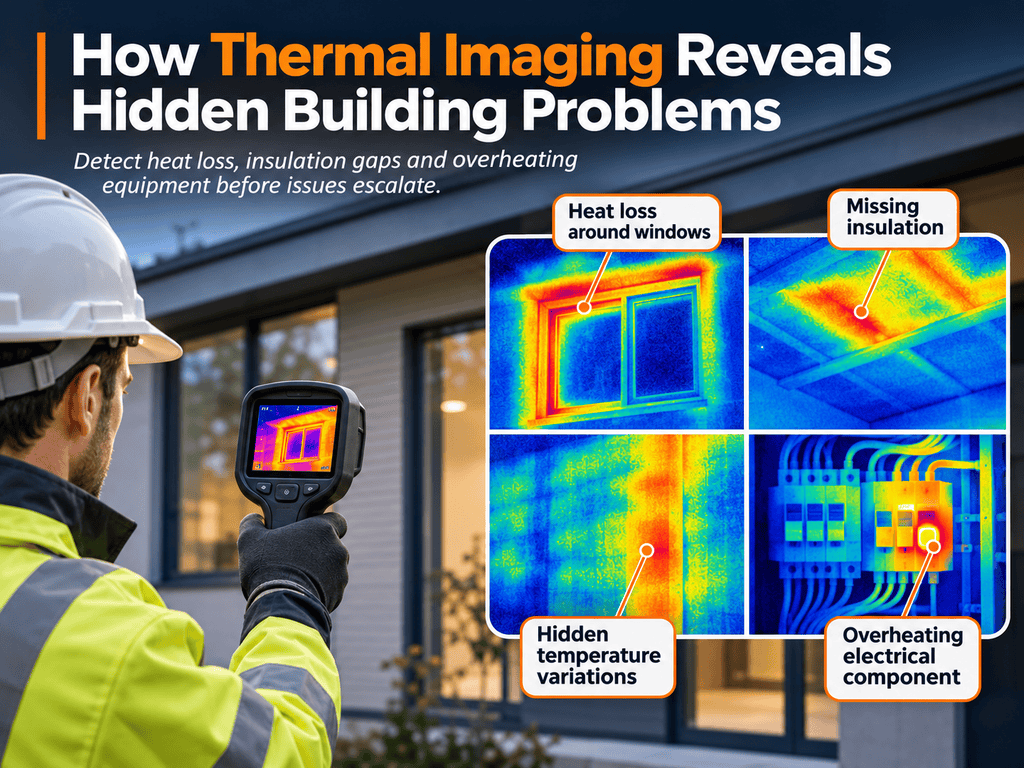
This information can help professionals identify unusual heat patterns that may indicate an underlying issue.
For example, building inspectors might use thermal imaging to investigate areas where insulation is missing or where heat is escaping through walls, ceilings and windows. Electrical engineers can also use the technology to identify overheating components within electrical systems.
What to Consider When You Buy Thermal Imaging Cameras
For businesses and professionals looking to introduce this technology into their work, it is important to understand the different features available before making a purchase.
Those looking to buy thermal imaging cameras should begin by considering how the equipment will be used. Different applications require different levels of accuracy, image quality and temperature measurement capabilities.
Resolution is one of the main features to assess. Cameras with higher thermal resolution can provide more detailed images, making it easier to identify smaller temperature differences and investigate specific areas.
Temperature measurement range is another important consideration. Some applications involve checking relatively low surface temperatures, while industrial inspections may require equipment capable of measuring much higher temperatures.
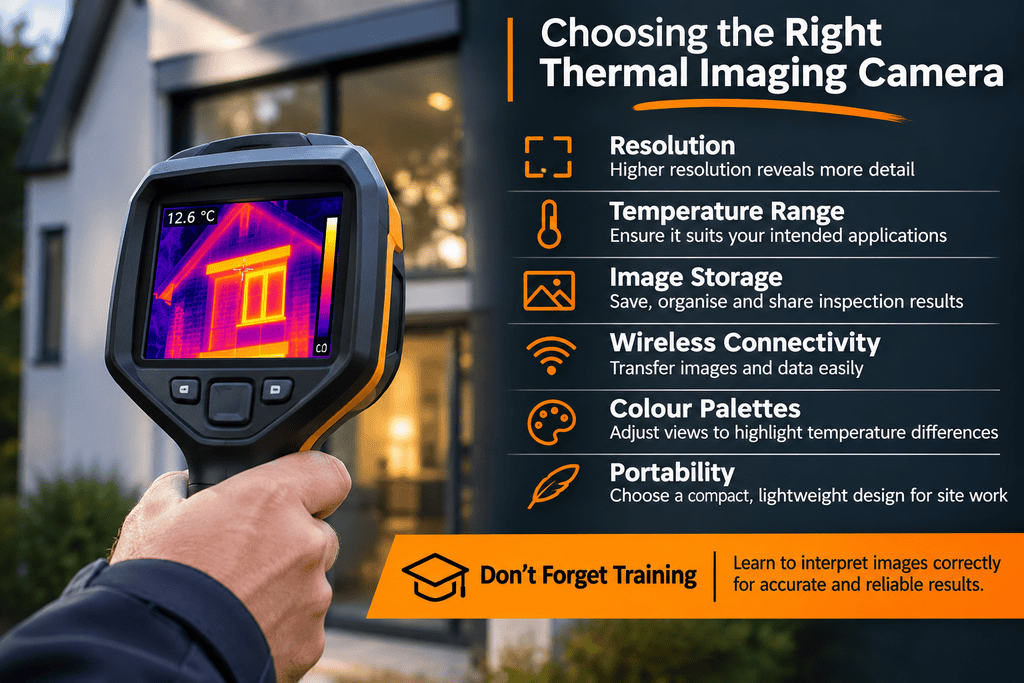
Other useful features include image storage, wireless connectivity, adjustable colour palettes and the ability to combine thermal images with standard photographs. These functions can make it easier to document inspections and communicate findings to clients or colleagues.
Portability should also be considered. Professionals who regularly carry out inspections across different sites may benefit from compact, lightweight equipment that is easy to transport.
It is worth comparing specifications carefully and ensuring that the chosen camera is suitable for the intended application. Training is equally important, as understanding how to interpret thermal images correctly helps reduce the risk of overlooking potential problems.
Using Thermal Imaging for Building Maintenance
Thermal imaging can support several aspects of property maintenance. One common application is identifying heat loss, which can help highlight areas where a building may benefit from improved insulation.
Poorly insulated walls, roofs and floors can contribute to higher heating costs and inconsistent indoor temperatures. By identifying areas of concern, property owners can make more informed decisions about potential improvements.
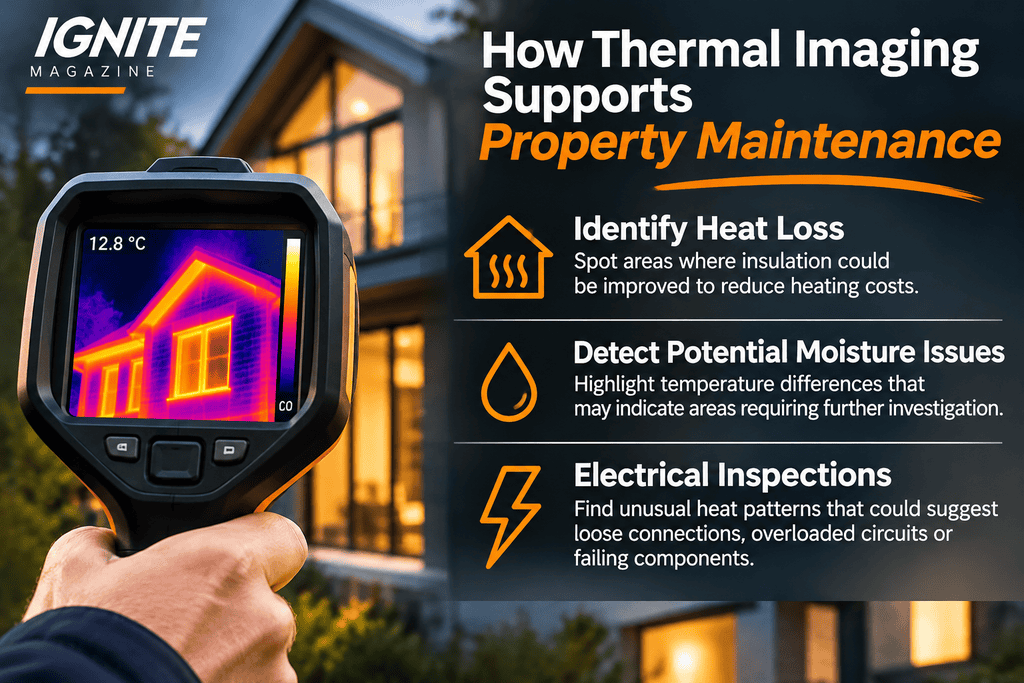
The technology can also assist with detecting moisture-related issues. Temperature differences may highlight areas that require further investigation, although thermal imaging alone cannot confirm the presence of damp or identify its exact cause.
Electrical inspections are another important application. Unusual heat patterns around electrical equipment may indicate loose connections, overloaded circuits or failing components. These findings can help qualified professionals decide where further investigation is needed.
The Importance of Effective Window Shading
While thermal imaging helps identify potential problems, other building improvements can focus on preventing discomfort and improving everyday conditions.
Window shading is one example. Large windows allow natural light into a building, but they can also introduce excessive solar heat and glare, particularly during warmer months.
Without suitable shading, rooms can become uncomfortable, and occupants may find it difficult to work or relax. Excessive sunlight can also affect screens, furniture and interior finishes.
External blinds and solar shading systems offer a practical way to manage sunlight before it enters the building.
Exploring the Benefits of Renson Blinds
When researching modern shading solutions, renson blinds are worth considering for properties where effective solar control and contemporary design are important.
Renson is known for its architectural sun protection solutions, which are designed to help manage sunlight while maintaining a building’s appearance.
External solar shading can reduce the amount of direct sunlight entering through windows, helping limit unwanted solar heat gain. This can make indoor spaces more comfortable, particularly in rooms with large glazed areas.
Depending on the system selected, blinds may also offer different levels of visibility, privacy and light control. This flexibility makes them suitable for various settings, including residential properties, offices and commercial buildings.
Another consideration is the appearance of the installation. Modern shading systems are available in different styles and finishes, allowing them to complement contemporary architecture without becoming an unnecessary visual distraction.
Before choosing a system, property owners should consider window dimensions, orientation and exposure to direct sunlight. These factors can influence the type of shading required and how effectively it performs.
Combining Technology with Practical Building Improvements
Thermal imaging and effective window shading demonstrate how different approaches can contribute to better building performance.
Thermal cameras provide useful information about temperature variations and potential maintenance issues, while external blinds can help manage sunlight and improve indoor comfort.
For property owners, combining regular inspections with suitable building improvements can support a more proactive approach to maintenance and energy efficiency.
Making Informed Decisions for Your Property
Whether investing in specialist inspection equipment or exploring modern window shading, understanding the available options is essential.
Considering the intended application, product specifications, installation requirements and long-term benefits can help ensure that each investment meets the needs of the building.
By bringing together practical technology and thoughtful design, property owners can create environments that are more comfortable, efficient and easier to maintain over time.