The ‘perfect temperature’ to prevent frozen pipes

Share
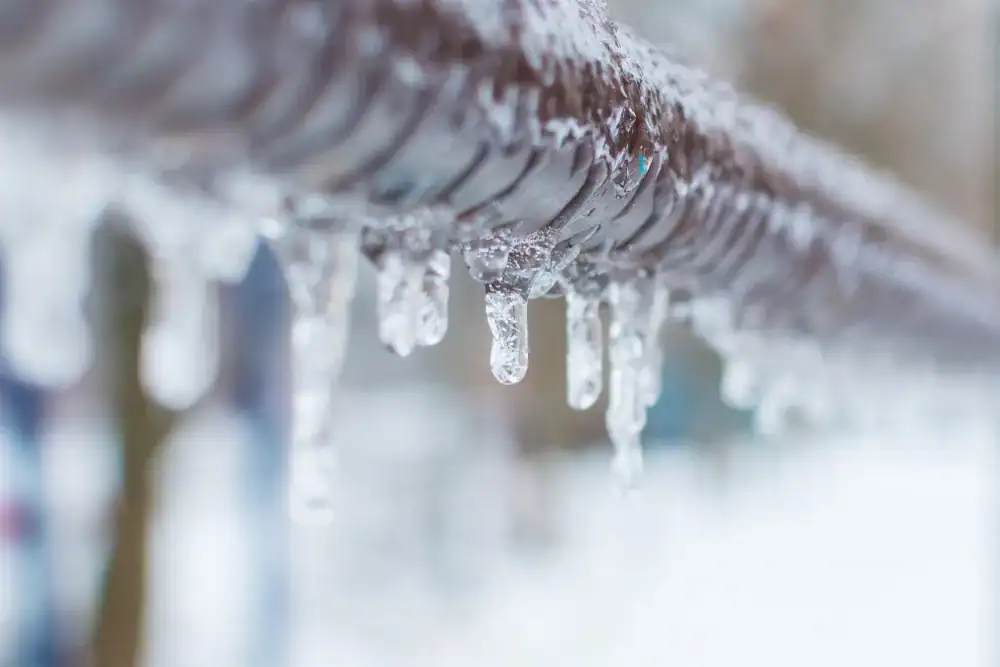
As the UK braces for colder temperatures, frozen pipes are becoming a real concern for many homeowners.
Gordon Wallis, a boiler expert from Your NRG, shares some advice on how to protect your home from frozen pipes and avoid costly repairs this winter. From maintaining the right temperature to some simple preventative measures, Gordon explains how to properly safeguard your home.
“Frozen pipes are one of the most common and expensive issues homeowners face during winter,” Gordon explains.
“When water freezes inside pipes, it expands, putting massive pressure on the pipework. This often leads to cracks or bursts, resulting in water damage that can cost thousands to repair.”
Here are Gordon’s top tips to prevent frozen pipes and keep your home safe and warm this winter.
1. Maintain a minimum temperature to protect your pipes
“Many people are tempted to turn off their heating when they’re not at home, but this can be a costly mistake,” Gordon warns. “Even when your home is empty, it’s important to keep your thermostat set to at least 10°C. This keeps your pipes warm enough to prevent freezing.”
For optimal comfort and efficiency when you’re at home, Gordon suggests keeping your heating between 18°C and 20°C. “This is the perfect temperature range to keep your boiler running nicely while also protecting your pipework,” he adds.
Modern smart thermostats can help maintain these temperatures without wasting energy. “Smart thermostats allow you to set schedules that match your daily routine, so your heating is only on when you need it,” Gordon explains. “This can save energy while still providing the protection your pipes need.”
2. Prepare your home before heading away during winter
“If you’re planning to go away for the festive season or a winter holiday, it’s vital to prepare your home for colder weather,” Gordon advises. “Leaving your heating completely off might seem like a way to save money, but it dramatically increases the risk of frozen pipes.”
Before you leave, set your thermostat to maintain a minimum temperature of 10°C. Gordon also recommends insulating exposed pipes in unheated areas. “Pipe lagging—foam pipe wrap or insulation sleeves—is a cheap and simple solution that can make a big difference in preventing frozen pipes,” he explains.
To further minimise risks, Gordon suggests turning off your mains water supply and relieving pressure in the pipes. “Shut off the mains stop tap, then open the lowest tap in your home – usually a sink or bath tap – to drain the remaining water. Once that’s done, turn off the tap to prevent leaks while you’re away,” he says.

3. Have a trusted friend or neighbour check your home
“If you’re going to be away for more than a few days, it’s a good idea to ask a neighbour or friend to check in on your home,” Gordon advises. “They can check that your heating is working properly and look for any signs of water leaks or frozen pipes.”
This precaution can help identify potential problems early. “If a pipe has burst or your heating has stopped working, catching the issue quickly can prevent more extensive damage,” he explains.
4. Use preventative measures to reduce the risk of damage
In addition to maintaining a minimum temperature and insulating pipes, Gordon recommends taking extra steps to protect your home from freezing weather:
Check for draughts: “Seal gaps around windows and doors to keep cold air out, especially in areas where pipes are located,” Gordon says.
Keep cabinet doors open: “If you have pipes running through kitchen or bathroom cupboards, leave the doors open to allow warm air to circulate,” he adds.
Monitor your boiler: “Regular boiler maintenance is key to keeping your heating system running efficiently throughout the winter,” Gordon explains. “If you haven’t serviced your boiler this year, now is the time to do it.”
“The damage caused by frozen pipes can be devastating,” Gordon warns. “When pipes burst, water can flood your home, ruining floors, furniture, and even structural elements. Repairs can cost thousands of pounds and take weeks to complete.”
By following these simple yet effective tips, homeowners can significantly reduce the risk of frozen pipes and costly damage. “A little preparation goes a long way in protecting your home during the colder months,” Gordon concludes. “It’s far easier and cheaper to prevent frozen pipes than to deal with the aftermath of a burst.”
5 MUST-DO hacks to save on energy bills this winter