
What to Include in a TikTok Creator Campaign Brief

Share


A TikTok creator brief decides most of what happens in a campaign before anyone films a frame. When the document is vague, content can arrive off-brief, approvals drag, and budget goes to reshoots.
The brief is also the document both sides keep after posting, so it becomes the reference when questions about usage or payment surface later.
State one objective first
The brief should open with a single, defined objective: views, engagement, website traffic or sales. A creator cannot choose a hook, length, sound or call to action until the brand decides which outcome counts.
Pair that objective with the action viewers should take and the metric that will judge it. A brief built for awareness names impressions, views and completion rate; a brief built for sales names click-throughs, conversions or a tracked code.
A missing objective forces creators to guess, and the guess usually favours views because views are the easiest result to see. When a brand wants two outcomes, rank them as primary and secondary in writing.
Build the audience profile for TikTok
The audience section should read as if it were written for TikTok itself: age range, location, interests, and the creators and hashtags that audience already follows. A profile copied from a television or print plan can produce content that feels made for another platform.
The same section should explain why the chosen creator fits the audience described above it. Influencer agencies advise weighting creator fit above follower count when they build a roster. Micro-creators with close audience relationships often post higher engagement than large influencers whose followers show little overlap with the brand’s buyers.
Social teams usually assemble the profile from TikTok analytics, comment threads and the follower lists of creators already active in the category. That detail lets the creator write a hook for a viewer the brand can actually describe.
Spell out the deliverables
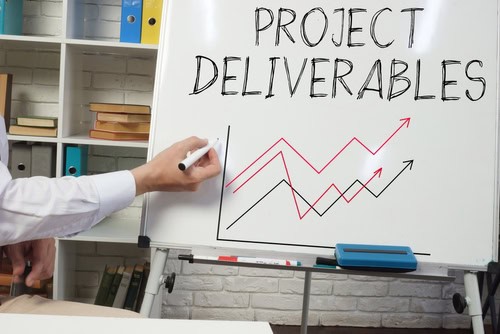
This section lists the concrete outputs: the number of videos, the 9:16 vertical format, a target length and how many edited versions are included. Briefs that name these items leave less room for disputes later.
Direction on style belongs in this section as well, and the brief should describe the opening hook the video needs. That direction covers candidate sounds or effects and a hashtag set that mixes high-volume tags with niche ones. TikTok-native content follows the platform’s vertical, fast-cut conventions.
The brief also names the call to action, such as a link in bio or a discount code, and notes any Spark Ads arrangement. Spark Ads is TikTok’s format for turning a creator’s organic video into paid media.
Target length is usually written as a range, such as 20 to 40 seconds, so the creator can cut to the story. Leave room for the creator’s usual format rather than prescribing every shot, since that style is what their followers already know.
Set usage rights, labelling and approvals
Licensing terms belong in the brief itself because usage scope affects the creator’s fee. The document should state where finished videos may run, whether on the creator’s account, the brand’s channel, paid placements or other social platforms, and for how long.
Disclosure belongs in the document as a working detail that both sides agree on early. The brief should require a clear #ad label on sponsored posts, and explicit instructions protect the trust a creator’s audience places in the creator.

Brand-safety guardrails list the topics, sounds, language or settings the creator should avoid while producing sponsored content. The approval schedule sets dates for a first draft, at least one feedback round and final sign-off. Naming response times for both sides keeps that schedule intact during busy publishing weeks.
Paid usage usually carries its own time limit, stated in months, and creators price their fee with that limit in mind. Collect all stakeholder comments into one document per round, because conflicting notes from separate reviewers are a common cause of delay.
From one brief to a full campaign
Once the brief is complete enough to hand to a creator directly, some brands repeat it across dozens of influencers. Brands without that capacity in house often pass the work to a TikTok marketing agency for creator vetting and paid amplification.

Whoever runs the campaign, the measurement section stays in force: impressions, views, completion rate, engagement rate, click-throughs and conversions, each tied to the objective stated on page one. Treating the brief as a collaboration document, with fixed objectives and open creative space inside them, can mean fewer revision rounds and faster sign-off.
A well-built brief can become a template: objective, guardrails and approval flow stay fixed, while audience and hook sections are rewritten for each creator. That reuse is where the upfront writing time pays back.