Boost Home Value with Smart Loft Upgrades

Share

How Smart Loft Improvements Can Add Space, Comfort and Property Appeal
The best home upgrades improve daily life while making the property more appealing to future buyers. Extra usable space, lower running costs and well-maintained rooms tend to carry more weight than highly personal design features. Start with the areas that affect comfort and function, then use finishes to create a consistent look throughout the home.
Strategic Home Improvements
Begin with a realistic budget and a clear view of the property’s weak points. Signs of damp, ageing electrics or poor insulation should take priority over decorative work because buyers may use these faults to negotiate a lower price. Keep invoices, guarantees and certificates together so you can show what was completed and when.
Think about the likely return before committing to a large project. Guidance on smart property improvements highlights the value of practical updates such as fresh decoration, improved energy performance and modernised living areas. Neutral wall colours, durable flooring and better storage have broad appeal without making the home feel bland.
Energy Efficiency That Pays Off
Energy upgrades can make rooms more comfortable and reduce avoidable heat loss. Check the loft first, as inadequate insulation may leave upstairs rooms chilly during winter and overly warm in summer. Draught-proofing, modern heating controls and LED bulbs are relatively straightforward improvements that can support lower household costs.

Lighting deserves attention when the loft is used for storage, hobbies or occasional work. A professional loft lighting installation can provide efficient LED illumination positioned around beams, access points and shelving, making the area safer and easier to use. Window coverings also affect indoor temperature and glare, as this guide to blinds and energy efficiency explains. Together, these smaller details create a space that feels properly finished.
Make the Most of Your Loft Space
A loft can add useful capacity even when a full conversion isn’t practical. Boarded storage, labelled containers and a safe access route free up cupboards elsewhere, which helps the whole property feel less crowded. Before adding flooring, ask a qualified professional to confirm that the structure can carry the intended load and that insulation won’t be compressed.
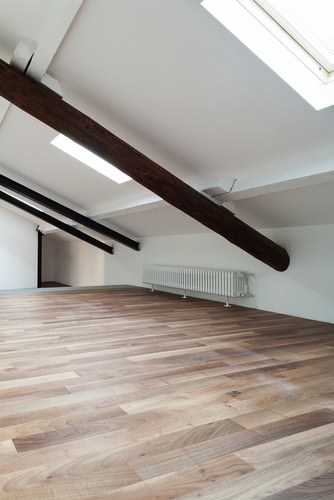
If you’re considering a habitable room, check head height, ventilation, fire safety and access requirements before drawing up the layout. Built-in cupboards can fit beneath sloping ceilings, whilst roof windows can bring daylight into darker corners. Plan sockets and lighting early because retrofitting them after plastering usually creates extra cost and disruption.
Modern Kitchen and Bathroom Trends
Kitchens and bathrooms attract close attention during viewings, but a full replacement isn’t always necessary. Sound cabinets can be refreshed with new doors, handles and worktops. Replacing damaged sealant, repairing dripping taps and improving task lighting can also make an older room appear cleaner and better maintained.

Current trends favour practical choices such as easy-clean surfaces, warm neutral colours and storage that keeps worktops clear. In a bathroom, a well-fitted screen, efficient extractor fan and large mirror can improve both function and appearance. Lists of value-boosting home projects also show why maintenance and modest updates often deserve attention alongside major renovations. Choose finishes that suit the age and overall value of the property so the result feels balanced.
Outdoor Appeal Matters
First impressions begin at the pavement. Clean the path, trim overgrown plants and repair loose gates before spending money on elaborate landscaping. A freshly painted front door, visible house number and tidy entrance can make the property feel cared for before anyone steps inside.
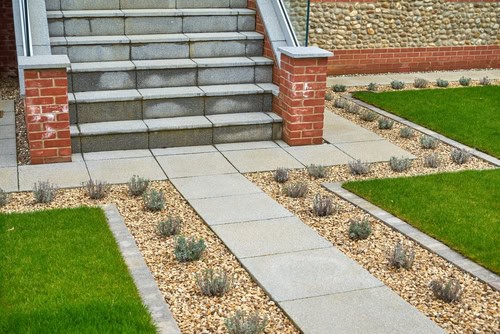
At the back, buyers usually respond well to a usable seating area and a garden that seems manageable. Divide the space into simple zones for dining, planting and storage, then make sure each has a clear purpose. Outdoor lighting should guide people along paths and steps without shining into neighbouring homes.
Finish by checking the view towards the property from the gate. Bins, tangled cables or a broken planter can distract from good work elsewhere, while a clear path and healthy planting give the improvements inside a stronger opening impression.