Blinds for Energy Efficiency: Reduce Heat Loss and Glare

Share
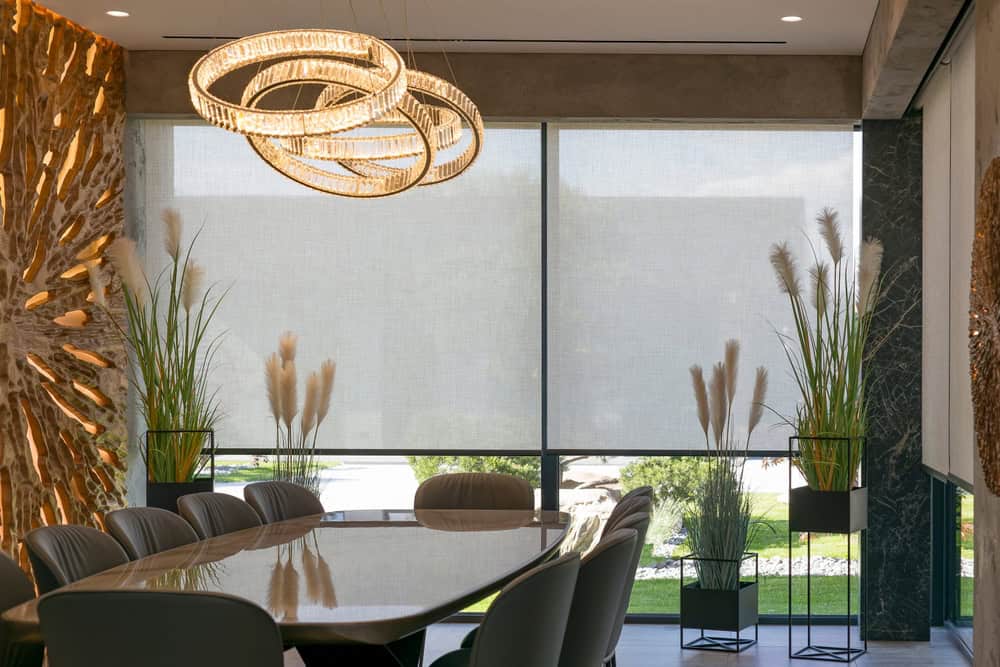
How the Right Blinds Can Make Your Home More Energy Efficient
Blinds are often chosen for privacy or appearance, but they can also make a practical difference to the comfort and efficiency of a home. The right window covering can help manage sunlight, reduce glare, limit heat loss in colder months and prevent rooms from becoming uncomfortably warm during summer.
Although blinds will not replace proper insulation or energy-efficient glazing, they are a simple way to improve how a room performs day to day. By choosing the right style, material and fitting, homeowners can make better use of natural light while reducing unnecessary energy use.
Reduce Heat Loss During Colder Weather
Windows can be a source of heat loss, particularly in older properties or rooms with large areas of glazing. When warm indoor air meets cold glass, the temperature around the window can quickly drop, making a room feel draughty even when the heating is on.

Blinds create an additional layer between the room and the window. This can help retain warmth, especially when they are closed in the evening or during colder periods.
Choose Close-Fitting Blinds
The closer a blind sits to the window, the more effective it can be at limiting air movement around the glass. Roller blinds, Roman blinds and cellular blinds can all provide useful coverage when fitted accurately.
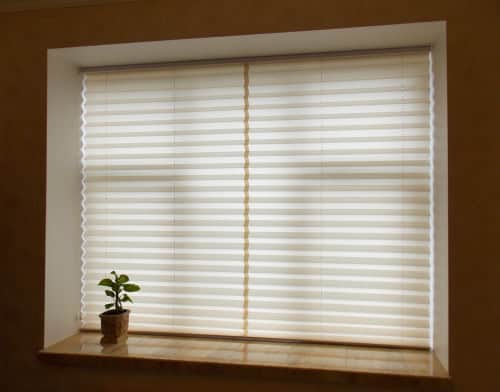
Cellular blinds are particularly effective because their honeycomb-shaped structure traps air within the fabric. This creates an insulating barrier that can help reduce heat transfer through the window.
For bedrooms and living rooms, heavier fabrics can also add warmth and make the space feel more comfortable in winter.
Control Solar Heat in Summer
Blinds are just as useful when the weather becomes warmer. Direct sunlight through windows can quickly raise indoor temperatures, particularly in south-facing rooms, conservatories and home offices.
Closing blinds before the strongest sunlight reaches the glass can reduce solar gain and help keep the room cooler. This may lessen the need for fans or air conditioning, helping households manage their energy consumption during hot weather.
Consider Light-Reflective Materials
Some blinds are designed with reflective or light-coloured backings that help bounce sunlight away from the window. These can be a sensible option for rooms that receive strong afternoon sun.

Venetian blinds also offer flexible control. By tilting the slats, you can block direct sunlight while still allowing some natural daylight into the room. This is useful in kitchens, offices and living areas where complete darkness is unnecessary.
Minimise Screen Glare
Glare can make it difficult to work, watch television or use a computer comfortably. It is a common issue in home offices, especially where desks are positioned near windows.
Blinds allow you to soften harsh daylight without relying on artificial lighting throughout the day. Vertical blinds, Venetian blinds and day-and-night blinds offer adjustable light control, making it easier to reduce glare while keeping the room bright enough for everyday tasks.
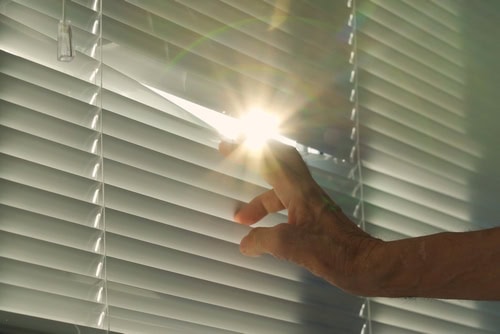
For a workspace, the ideal solution is often a blind that can filter sunlight rather than block it entirely. This helps protect visibility on screens without making the room feel closed in.
Improve Privacy Without Losing Daylight
Privacy is another important consideration, particularly for ground-floor rooms, bathrooms and properties overlooked by neighbouring homes. However, heavy curtains or fully closed blackout blinds can leave a room feeling dark.
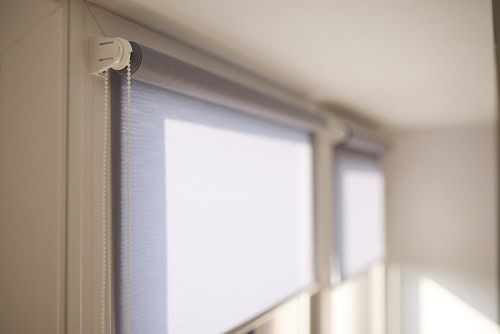
The right blind can provide privacy while allowing daylight to pass through. Sheer roller blinds, voile-style fabrics and top-down blinds can make a room feel more private without blocking the whole window.
This is particularly useful in urban homes, where windows may face a pavement, neighbouring property or shared outdoor space.
Select Blinds for Each Room
Different rooms have different requirements, so one blind style may not suit the whole home.
Bedrooms
Blackout blinds can reduce unwanted light from streetlamps, early summer mornings and passing traffic. They may also provide an extra layer of insulation when closed at night.
Bathrooms and Kitchens
Moisture-resistant blinds, such as aluminium Venetian blinds or suitable roller blinds, are usually a practical choice. They are easier to clean and better suited to humid environments than many fabric options.
Living Rooms
Roman blinds, roller blinds and Venetian blinds can all work well in living spaces. The best option depends on whether your priority is warmth, glare reduction, privacy or creating a softer decorative finish.
For advice on choosing blinds that suit your windows, interior style and practical needs, The Blind Company can help homeowners explore made-to-measure options.
Make the Most of Daily Use
Even the best blinds need to be used strategically. Opening them during sunny winter days can allow natural warmth and light into the room. Closing them once the temperature drops can help retain that warmth.
During summer, close blinds before direct sunlight enters the room, particularly on south- and west-facing windows. This is generally more effective than waiting until the space has already become hot.
Frequently Asked Questions
Can blinds help reduce heating costs?
Blinds can help reduce heat loss by adding an extra layer at the window, particularly when they are closed during colder evenings. They work best alongside good insulation and efficient glazing.
Which blinds are best for keeping a room cool?
Light-coloured, reflective or adjustable blinds can help manage solar heat. Venetian blinds and roller blinds are popular choices for controlling direct sunlight.
Are blinds better than curtains for energy efficiency?
Both can help improve comfort around windows. The best choice depends on the fit, material and how the covering is used. Close-fitting blinds can be especially effective at controlling light and reducing draughts.
Can blinds reduce glare on computer screens?
Yes. Adjustable blinds can soften direct daylight and reduce reflections on screens, making them useful in home offices and study spaces.
Conclusion
Blinds can do far more than complete the look of a room. When selected carefully and used at the right times, they can help reduce heat loss, manage summer sunlight, minimise glare and improve privacy.
By matching the blind style to the needs of each room, homeowners can create a more comfortable living environment while making more efficient use of heating, lighting and cooling.