
How to Start an Art Collection for Your Home: A Beginner’s Guide

Share
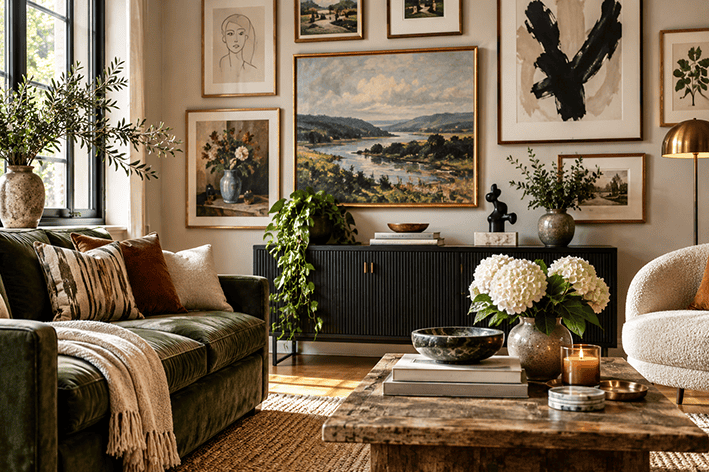
How to Build an Art Collection You’ll Love Living With
Building an art collection for your home does not require expert knowledge, a large budget or a perfectly planned interior. It begins with choosing artwork that you genuinely enjoy living with. The right pieces can add personality, colour and a sense of story to a room, turning a house into a more personal space.
Whether you are buying your first print, discovering local artists or looking for a statement painting, a thoughtful approach can help you build a collection that grows with you over time.
Start With What You Love
The best place to begin is with your own taste. You do not need to follow trends or choose work simply because it matches a particular interior style. Look for artwork that makes you pause, creates an emotional response or reminds you of a place, memory or interest.

Consider the colours, subjects and styles you naturally enjoy. You may be drawn to expressive landscapes, abstract pieces, still life, figurative work, photography or limited-edition prints. There is no wrong answer.
A personal collection will often feel more cohesive over time when each piece has been chosen because it means something to you.
Explore Different Types of Artwork
Art collections can include far more than original paintings. Exploring a variety of formats can help you find work that suits both your space and budget.
Original Artwork

Original paintings, drawings and mixed-media pieces are one-of-a-kind works created by the artist. They can become a distinctive focal point in a room and may feel particularly meaningful because no one else owns the same piece.
Limited-Edition Prints
Limited-edition prints can be an excellent way to start collecting. They are often more accessible than original artwork while still allowing you to own a signed or numbered edition by an artist.
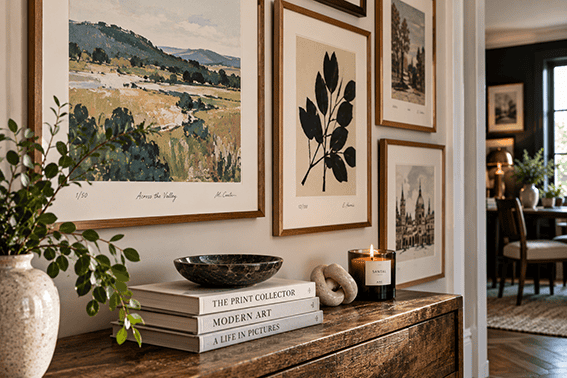
Always check the edition details and how the print has been produced. A gallery can help explain the information that comes with a piece.
Photography and Sculpture
Photography can add atmosphere, detail and a contemporary feel to a home. Small sculptures, ceramics and glass pieces can also bring texture and interest to shelves, tables and sideboards.

Mixing different media can make a collection feel more layered and individual.
Consider Your Space Without Overthinking It
It is useful to consider where an artwork will be displayed, but do not let the size or colour of a wall limit you too early. A piece that contrasts with the room can be just as effective as one that blends in.
Size and Scale
A small artwork can be lost on a large empty wall, while an oversized piece may overwhelm a compact room. Before buying, measure the available space and use masking tape to mark out the approximate size on the wall.
This gives you a better sense of proportion and helps you decide whether one larger piece or a group of smaller works would suit the space best.
Lighting and Positioning
Avoid hanging artwork where it will receive prolonged direct sunlight, as this can cause fading over time. Consider how natural and artificial light changes throughout the day.
A simple picture light or carefully positioned lamp can also help an artwork stand out, especially in a hallway, dining area or living room.
Set a Comfortable Budget
Art collecting should feel enjoyable, not pressured. Decide what you are comfortable spending and remember to include the cost of framing, delivery or installation if needed.
You do not have to buy everything at once. A collection can develop gradually as you discover new artists and find pieces that feel right for your home. Buying fewer pieces that you truly love is often more rewarding than filling every wall quickly.
Visit Galleries and Ask Questions
Visiting a gallery can make the process feel less intimidating. You can see the texture, scale and colour of artwork in person, which is often very different from viewing an image online.
Lorimer Art Gallery & Bespoke Framing in Rugby showcases a curated selection of artwork from independent artists and established creators, including paintings and limited-edition prints. The gallery also offers a home-staging service, allowing customers to trial selected artwork in their own space before deciding.
Do not be afraid to ask about an artist, the edition size, the materials used or how best to display a piece. A good gallery will be happy to help you make an informed choice.
Frame Artwork Properly
Framing is part of the presentation and protection of art. The right frame can complement the piece and help it sit naturally within your home, while the wrong choice can distract from the artwork.
Bespoke framing is especially valuable for original works, textiles, photographs, vintage posters and pieces with sentimental value. It can help protect the artwork from damage while creating a finish that suits the room.
Lorimer Art Gallery & Bespoke Framing provides tailored framing solutions for artwork, prints, textiles, memorabilia and more, with an emphasis on preserving each piece for years to come. Lorimer Art Gallery & Bespoke Framing
Let Your Collection Evolve
A collection does not need to follow a fixed theme. It can grow as your interests, home and experiences change. You may eventually notice recurring colours, subjects or artists, but this should happen naturally.
Move pieces between rooms occasionally, experiment with different arrangements and leave space for future discoveries. Your collection should feel alive rather than finished.
Frequently Asked Questions
Do I need a large budget to start collecting art?
No. Limited-edition prints, smaller original works and pieces from emerging artists can be accessible starting points. Set a budget that feels comfortable and build gradually.
How do I choose art for my home?
Choose work that you genuinely enjoy. Consider the available space and lighting, but let your personal connection to the piece guide the decision.
Should all my artwork match?
No. A collection can include different styles, colours and media. Personal meaning and thoughtful arrangement are often more important than perfect matching.
Is professional framing worth it?
Professional framing can protect artwork and enhance its presentation. It is particularly useful for original pieces, valuable prints, textiles and sentimental items.
Conclusion
Starting an art collection is about curiosity, personal taste and taking the time to choose pieces you will enjoy every day. Begin with artwork that speaks to you, consider how it will live in your space and invest in framing that protects it properly. Over time, your collection can become one of the most distinctive and meaningful parts of your home.

