The Rise of Sober October: Why Going Alcohol-Free Is Trending

Share

Worldwide search interest in Sober October has soared by 650% over the past quarter, highlighting the growing appeal of alcohol-free challenges.
Unlike Dry January, which follows the festive season and often carries a sense of post-holiday pressure, Sober October tends to feel like more of a personal choice.
To help readers understand this trend and its benefits, Brooks Lape, addiction specialist and founder of Start Your Recovery, has created a guide covering everything you need to know about Sober October.
Lape explains, “Sober October began in the UK around 2014 as a fundraising challenge where participants committed to 31 days without alcohol while raising money for charity. Over time, it has evolved into a global wellness movement emphasising the health benefits of temporary sobriety.”
What happens to your body
During the first week, many people experience a sleep and energy reset, often noticing improved sleep quality within just three to five days. Mornings start to feel easier with better alertness, and the evening restlessness that alcohol can trigger begins to fade.
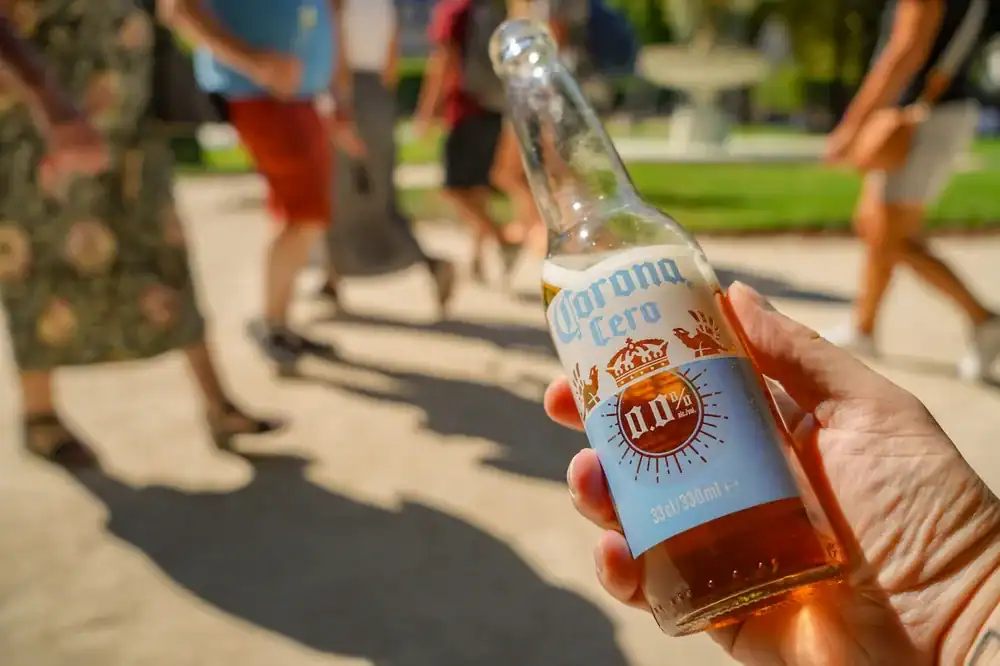
By weeks two and three, mental clarity starts to emerge. Cognitive function sharpens, mood stability improves, and feelings of anxiety often decrease. People also report better emotional regulation, making day-to-day stressors easier to manage.
By the fourth week, physical health improvements become more noticeable. On average, participants may lose two to five pounds, see reductions in blood pressure and cholesterol levels, and enjoy better hydration and healthier-looking skin.
Lape notes, “The timeline varies by individual, but most people report feeling ‘different’ by day 10 and significantly better by day 21. The mental health improvements often surprise people the most.”
How to do Sober October successfully
Before you start:
- Calculate your typical monthly alcohol spending
- Plan alcohol-free social activities
- Stock up on interesting non-alcoholic alternatives
- Tell supportive friends and family
- Download a tracking app
Week 1 strategies:
- Focus on sleep improvements
- Replace evening drinking rituals with tea or sparkling water
- Plan alcohol-free weekend activities
- Practise saying “I’m doing Sober October” confidently

Weeks 2-3 building new habits:
- Experiment with mocktails and non-alcoholic beer
- Try “sober-curious” venues
- Focus on morning workouts when you feel more energetic
- Track mood and energy improvements
Week 4 reflection and planning:
- Assess what you’ve learned about your relationship with alcohol
- Calculate money saved
- Decide which habits to continue beyond October
Lape advises, “For heavy drinkers, consult a medical professional first and consider cutting back gradually before going fully sober. Social drinkers can start by limiting alcohol to certain days or occasions, while those with anxiety may benefit from practising alcohol-free social activities ahead of time to make the transition easier.”