Off-Site Bathroom Solutions: How Prefabricated Modules Revolutionize Modern Construction

Share
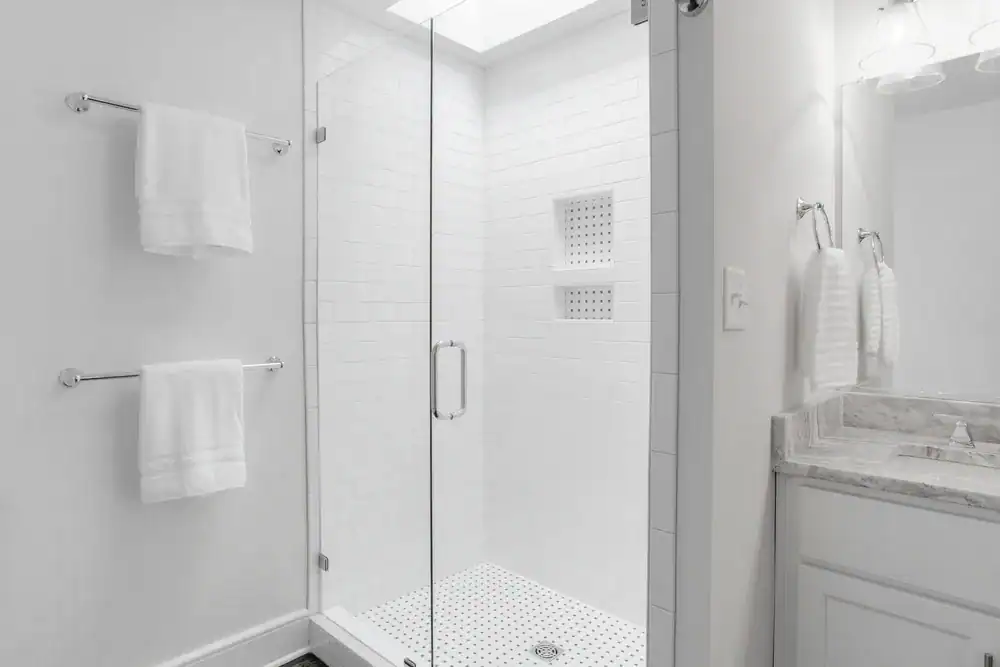
How Do Prefabricated Bathroom Modules Enhance Project Efficiency and Profitability?
Prefabricated bathroom modules are revolutionizing the construction industry by offering cost-effective and time-saving solutions for hotels, healthcare facilities, and residential buildings. By moving bathroom assembly off-site, developers can minimize project delays, reduce labor costs, and ensure consistent quality. These modular units integrate plumbing, electrical systems, and finishes before arriving on-site, streamlining the installation process. Discover how off-site bathroom solutions boost efficiency, sustainability, and design flexibility.
Prefabricated bathroom modules significantly increase the efficiency and profitability of modern construction projects. By integrating all necessary plumbing, electrical systems, and fixtures off-site, these modules reduce the complexity of on-site installation, minimizing labor costs and potential delays. Traditional bathroom construction requires coordination between multiple trades—such as plumbing, tiling, and electrical work—which often leads to scheduling conflicts. With modular solutions, these aspects are pre-assembled in a controlled factory environment, ensuring greater consistency and quality. For example, a report by the McKinsey Global Institute indicates that prefabrication can shorten construction timelines by as much as 20–50% (Source: McKinsey Global Institute, “Modular construction: From projects to products”).
This approach not only accelerates the construction schedule but also reduces material waste, contributing to more sustainable building practices. Studies show that prefabrication can reduce construction waste by up to 30% compared to traditional building methods (Source: U.S. Environmental Protection Agency). Additionally, prefabricated systems help mitigate issues related to weather conditions, which often delay conventional on-site work. Since these modules are delivered fully finished and ready for installation, they require fewer labor hours, resulting in significant labor cost savings. For large-scale projects such as hotels, residential complexes, and commercial buildings, the use of prefabricated bathroom modules can standardize quality across multiple units, improving overall project predictability and operational efficiency. Companies like Marriott International have reported substantial time and cost savings by implementing prefabricated bathrooms in their new hotels (Source: Marriott International case studies).
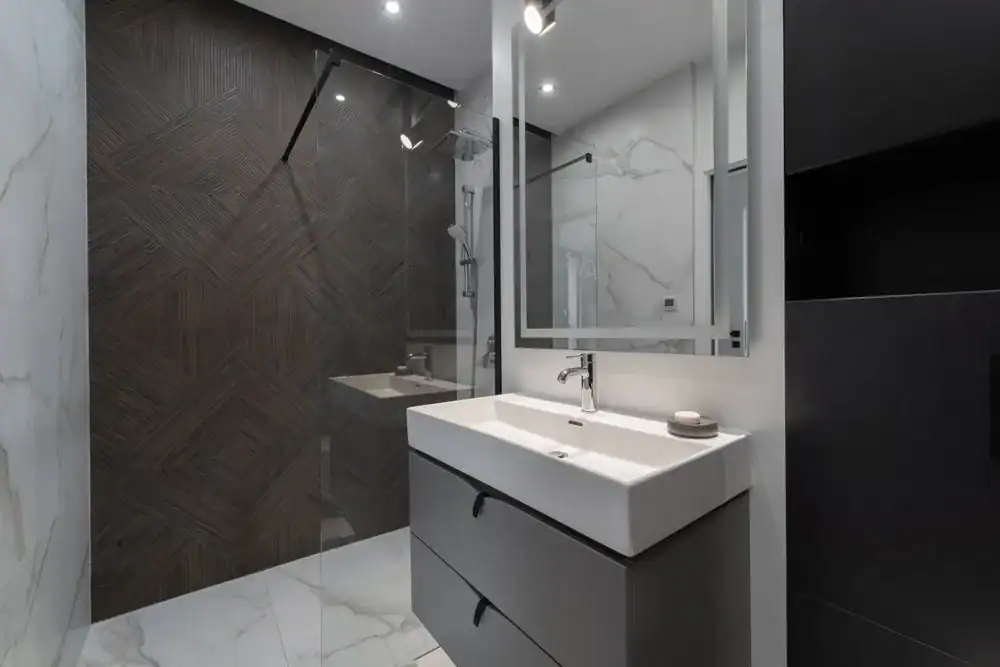
Choosing the Right Off-Site Bathroom Solution for Your Construction Needs
When selecting an off-site bathroom solution, several factors must be considered to ensure functionality, durability, and installation efficiency. The size and scope of the project play a significant role in determining the most suitable option; large-scale projects may benefit from modular units designed for rapid deployment, while smaller developments might require a more customized approach. Material selection is another critical aspect, as prefabricated bathroom modules come in various finishes, including moisture-resistant wall panels, non-slip flooring, and corrosion-resistant plumbing fixtures. The integration of plumbing and electrical systems should align with the building’s overall design to ensure seamless connectivity and compliance with local building regulations. It is essential to verify that the modules meet standards such as ANSI A118.1 for ceramic tile materials or ASME A112.18.1/CSA B125.1 for plumbing fixtures.
Additionally, evaluating the installation logistics is crucial to minimizing delays and optimizing workforce efficiency. Some off-site bathroom units are delivered fully pre-assembled, reducing the need for on-site labor, while others may require partial assembly upon delivery. Considering maintenance and durability factors ensures long-term usability, especially in high-traffic areas such as commercial facilities or multi-unit residential buildings. Selecting a supplier that offers customizable layouts allows for better adaptation to varying architectural requirements, ensuring seamless integration of the off-site bathroom with the overall construction project. For instance, if the project requires specific layouts for individuals with disabilities, make sure the supplier can provide modules compliant with ADA (Americans with Disabilities Act) requirements. The availability of replacement parts and ease of access to installations are also key considerations. Ask the supplier about access to technical documentation and service support.
Want to learn more about how prefabricated bathroom modules are transforming construction efficiency and sustainability in modern projects? Visit: https://domczar.co.uk/products/
Frequently Asked Questions About Prefabricated Bathroom Modules (FAQ)
- What are the costs of prefabricated bathroom modules compared to traditional construction?
Prefabrication can reduce bathroom construction costs by 10–20% through savings in labor, materials, and project timelines.
- Are prefabricated modules compliant with local building codes?
Reputable suppliers of prefabricated bathroom modules ensure compliance with local building regulations and provide certifications to confirm this compliance.
- What are the environmental benefits of bathroom prefabrication?
Prefabrication reduces construction waste, energy consumption, and carbon emissions compared to traditional construction methods.
- Can prefabricated bathroom modules be customized to meet specific design needs?
Yes, most suppliers offer customizable layouts and finishes to meet specific architectural requirements.