Decluttering Tips From The Experts

Share
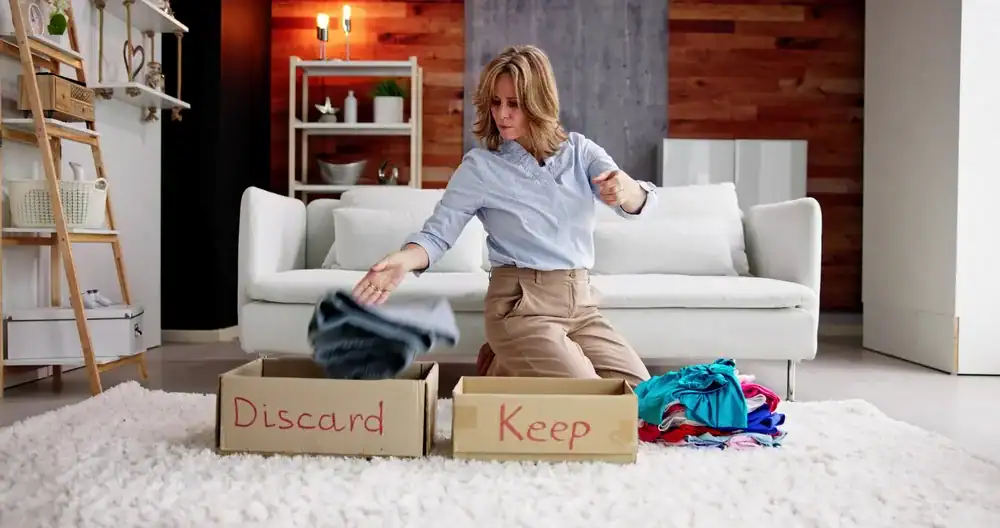
Curated clutter is trending, with searches for ‘declutter’ peaking every February*, and searches already almost doubling this year, it’s clear that people are obsessed with keeping a neat and tidy space at the start of the year, ahead of the big ‘spring clean’.
Whilst decluttering can seem like a mammouth task, interior expert, Lena Gierasinska, Head of Product and Displays at Barker & Stonehouse, explains that certain techniques, such as the grouping similar items method, are key to making informed decisions about what to keep.
Lena explains, ““It’s often hard to declutter because possessions are tied to memories, perceived value, or a sense of security. Fear of regret or guilt over waste can also create resistance. However, breaking the process into small, manageable chunks and setting clear goals can make it less overwhelming. Decluttering isn’t just about creating physical space, it’s about clearing the way for a more intentional and fulfilling home environment.”
Curated clutter embraces the essence of nostalgia and is now influencing how we approach organisation. Lena’s expert insights offer practical ways to embrace the movement and make decluttering a manageable, stress-free process.
Little and often method:
“Tackling smaller tasks regularly allows you to maintain a sense of control and momentum, rather than feeling paralysed by the enormity of the job. By addressing clutter incrementally, you’re able to make intentional decisions about what to keep and what to let go, ensuring your home reflects your current needs and lifestyle. It’s a practical way to reduce stress and create a more harmonious environment without the need for drastic upheaval.
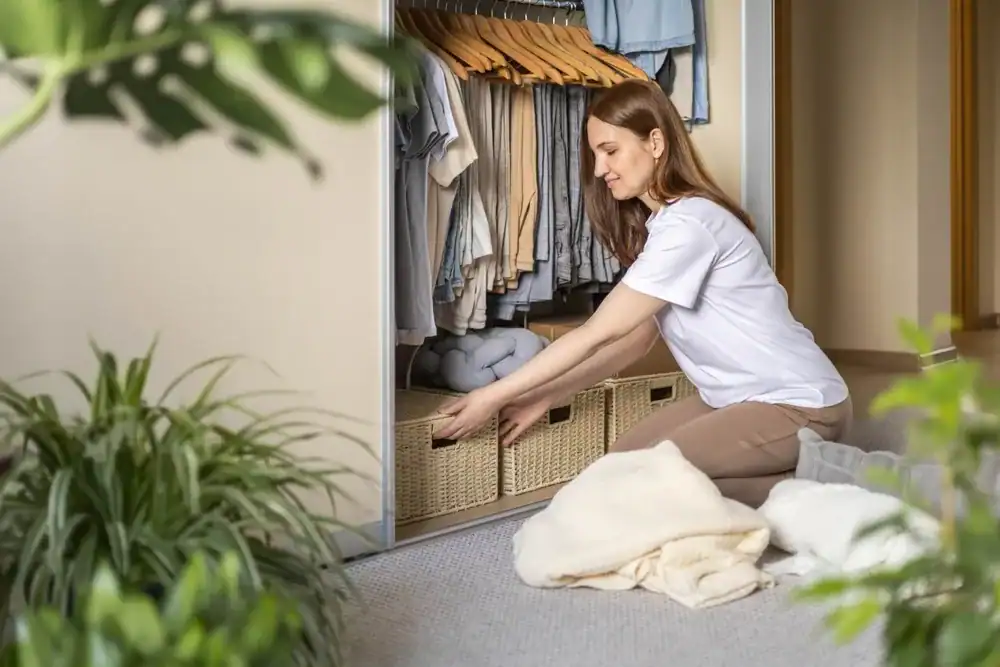
Break down by area:
“With this in mind, it can be easier to break down the task ahead by approaching it one furniture item at a time. For example, you might start with furniture that has storage functionality, such as clothes in a wardrobe or glassware in a cabinet.”
1 year rule:
“When deciding what to keep and what to discard, it’s important to ask yourself questions like, “Have I used this in the last year?” or “Does this item serve a purpose?”. These questions help you assess the true value of the item and determine whether it’s needed in your home.”
Lay everything out and group similar items:
“Another approach is to focus on longstanding items of furniture in your home and the associated items, such as a dining table. Over the years, you may have accumulated a surplus of items used at the dining table, like dishes, placemats, ornaments, and tablecloths. Gather all these items together and aim to reduce your homewares to one or two timeless colour schemes or patterns. Remove anything that doesn’t pair well with other items, is damaged, or simply isn’t used.” Similarly, sift through your bookshelf and declutter books you’ll not read again.
Use storage solutions:
“The key to reducing clutter is smart storage and intentional organisation. Start by grouping similar items together, everyday essentials should be easily accessible, while less frequently used products can be stored in cabinets or baskets.
Wall-mounted shelves, mirrored cabinets, and under-sink organisers can all help maximise space without making the room feel crowded. If your home lacks furniture with storage function, think about simple ways you can introduce storage solutions. Windowsill organisers, wicker baskets and hooks are great ways to maintain order in the home.”
Trends expert reveals how to master game-changing colour theories