Sustainable Office Practices: Simple Ways to Create a Greener Workplace

Share

How to Create a More Sustainable and Eco-Friendly Workplace
Businesses today face growing pressure to operate sustainably. This shift comes from both consumer demand and a stronger sense of corporate responsibility.
Creating an eco-friendly workplace isn’t just a niche interest anymore; it’s a key part of any modern, forward-thinking business strategy. The benefits go way beyond just cutting your carbon footprint. They can also boost your brand’s reputation, improve employee morale, and even lead to big cost savings in the long run.
You don’t need a complete overhaul overnight to start using sustainable practices. Instead, it’s about making a series of thoughtful choices and gradual changes. Together, these create a powerful positive impact. Every decision, from rethinking daily consumables to evaluating long-term suppliers, can help build a greener, more responsible office.
Why Green Offices Matter Today
Moving towards greener office spaces makes sense because of its many benefits. Environmentally conscious policies directly tackle climate change concerns by cutting energy use and waste. This commitment really resonates with an increasingly eco-aware public, making a company’s brand look better and attracting potential clients and customers who care about sustainability.

Beyond public perception, a green office also creates a healthier, more positive work environment. Employees often feel proud to work for a company that matches their personal values. This can boost morale, engagement, and staff retention.
Many eco-friendly initiatives, like improving air quality with plants or using more natural light, also help with employee wellbeing. Plus, efficiency measures like reducing energy and water use can directly lower utility bills, showing that sustainable practices are good for your wallet too.
Reducing Waste: From Paper to Packaging
A lot of office waste comes from consumables, especially paper and packaging.
The first step to cutting down is to encourage a “think before you print” culture. Promote using digital documents for communication and record-keeping. If you absolutely have to print, set printers to double-sided by default and use recycled paper. You can find many more ways to transform your office that are simple to implement.
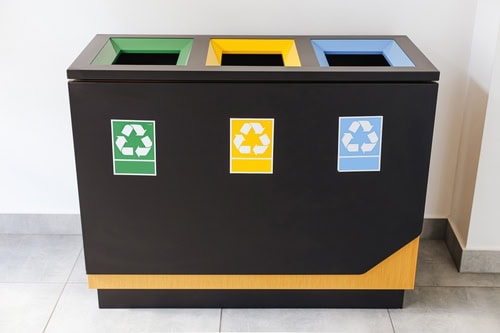
Beyond paper, look at the waste from your kitchen and deliveries. A good recycling system is crucial. Provide clearly labelled bins for paper, plastics, glass, and food waste so staff can easily take part. When ordering supplies, ask suppliers to use less packaging or recyclable materials. Small changes, like swapping disposable coffee pods for a bean-to-cup machine or providing reusable cutlery, add up to a big difference.
Eco-Friendly Hydration Solutions for Work
Single-use plastic bottles contribute a lot to environmental pollution. A typical office can go through thousands of them in a year, creating unnecessary waste and a significant carbon footprint from their production and transport. A simple and sustainable alternative is to get rid of them entirely.

Giving staff reusable water bottles and access to fresh, filtered water is an easy fix. Installing mains-fed water coolers that connect directly to your water supply is a great option. This offers a continuous source of chilled and filtered water without needing plastic bottle deliveries. It not only cuts down on plastic waste but also eliminates the emissions from transporting heavy water bottles. It’s a convenient, cost-effective, and environmentally responsible way to keep your team hydrated.
Choosing Energy-Efficient Appliances
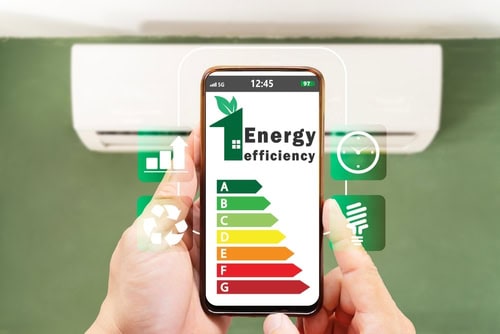
Office appliances use a lot of energy, but choosing efficient models can drastically cut your electricity use. When it’s time to replace or buy new equipment, from fridges and microwaves to printers and monitors, look for products with high energy-efficiency ratings. These items might cost a bit more upfront, but they’ll save you money on energy bills over their lifespan.
Changing habits is just as important as the hardware itself. Encourage a company-wide policy of switching off computers and monitors at the end of the day, instead of leaving them on standby. Use smart plugs or power strips that can be turned off to stop “phantom” energy drain from devices not in use.
Simple reminders and good habits can noticeably reduce your office’s overall energy consumption, and you can find more tips for sustainable workplaces to help guide your policies.
Making the Switch to Sustainable Suppliers
Your company’s environmental impact also includes its supply chain. Actively choosing suppliers who share your commitment to sustainability can boost your positive influence. This applies to everything from your cleaning service provider to where you get your office stationery, and even the caterer for company events.

When checking out new suppliers, ask about their environmental policies. Do they use eco-friendly cleaning products? Is their paper from sustainably managed forests? Do they prioritise local sourcing to cut down on food miles? Look for recognised certifications like B Corp, Fairtrade, or Forest Stewardship Council (FSC) as signs of a real commitment. Building a network of sustainable partners helps create a business ecosystem that values environmental responsibility at every level.
Turning your office into a sustainable space is a gradual process, but every thoughtful change makes a bigger, positive impact on the environment and your company’s culture.