How to Improve Your Sex Drive Naturally: 10 Effective Ways to Boost Libido

Share

10 Ways to Improve Your Sex Drive and Reconnect With Your Sexual Wellbeing
From managing stress and improving sleep to understanding hormonal changes, discover ten practical ways to support a healthier libido and reconnect with your sexual wellbeing.
Between demanding careers, financial pressures, family responsibilities and the relentless pace of modern life, it is hardly surprising that intimacy sometimes finds itself at the bottom of the priority list.
Sexual desire is rarely constant. It can change throughout our lives, influenced by everything from our physical health and emotional wellbeing to the quality of our relationships and how much sleep we are getting.
Yet there is still an unnecessary stigma surrounding low libido, with many people feeling embarrassed or reluctant to discuss changes in their sexual desire.
The good news is that understanding what influences your libido can help you make positive, sustainable changes. Rather than searching for miracle supplements or instant aphrodisiacs, improving your overall wellbeing is often a much more worthwhile starting point.
If you are wondering how to improve your sex drive naturally, here are ten practical approaches worth exploring.
What Causes a Low Sex Drive?
Libido is the term used to describe sexual desire. There is no universal standard for what constitutes a healthy sex drive, and what feels normal for one person may be entirely different for another.
Common factors that can contribute to reduced sexual desire include:
- Chronic stress and anxiety
- Poor sleep and persistent fatigue
- Hormonal changes
- Perimenopause and menopause
- Depression and low mood
- Certain medications and hormonal contraceptives
- Relationship difficulties
- Excessive alcohol consumption
- Physical discomfort during sex
- Underlying medical conditions
Several of these factors can occur simultaneously, which is why identifying the underlying cause is often more effective than simply trying to increase sexual desire.
1. Make Quality Sleep a Priority
When you are exhausted, intimacy can feel like another demand on your time rather than something to look forward to.
Poor sleep can affect mood, energy levels, emotional resilience and hormonal health, all of which may influence sexual desire.

Instead of treating sleep as something to squeeze around your other commitments, make it an essential part of your wellbeing routine.
Establish a consistent bedtime, reduce late-night screen time and create a bedroom environment that encourages relaxation. Avoid excessive caffeine later in the day and give yourself time to unwind before going to bed.
Persistent exhaustion deserves attention, particularly if you are sleeping for a reasonable number of hours but regularly waking up feeling unrefreshed.
Sometimes, improving your sex drive begins with giving yourself permission to rest.
2. Find Effective Ways to Manage Stress
It is difficult to feel relaxed, connected and interested in intimacy when your mind is occupied by deadlines, unpaid bills or an endless list of responsibilities.
Prolonged stress can affect both physical and emotional wellbeing, making it harder to switch off and enjoy intimate moments.
Rather than expecting yourself to move effortlessly from a stressful working day into a romantic evening, create a transition between the two.

A walk outdoors, a warm shower, reading a book, gentle exercise or simply spending half an hour away from your phone can help create some breathing space.
It is also worth considering whether you are carrying an unfair share of household or emotional responsibilities. Addressing the source of stress can be considerably more effective than temporarily distracting yourself from it.
3. Eat a Balanced Diet That Supports Sexual Health
Although certain foods have developed a reputation as natural aphrodisiacs, there is little convincing evidence that any single ingredient can dramatically increase sexual desire.

However, a balanced diet can support cardiovascular health, energy production and general wellbeing, creating more favourable conditions for healthy sexual function.
Consider incorporating the following foods into your regular diet:
Oily fish: Salmon, sardines and mackerel provide omega-3 fatty acids that support cardiovascular health.
Watermelon: This refreshing fruit contains citrulline, an amino acid involved in processes that help blood vessels relax. However, eating watermelon has not been established as an effective treatment for low libido or erectile dysfunction.
Leafy green vegetables: Spinach, rocket and kale provide a variety of nutrients that contribute to overall health.
Nuts and seeds: Almonds, walnuts and pumpkin seeds provide healthy fats, protein and essential minerals.
Berries: Strawberries, blueberries and raspberries contain antioxidants and other beneficial nutrients.
Dark chocolate: Enjoyed in moderation, dark chocolate contains flavanols associated with vascular health, although its reputation as a libido booster is not well supported by scientific evidence.
The emphasis should be on consistent, balanced nutrition rather than expecting immediate results from supposedly seductive ingredients.
4. Exercise Regularly Without Overdoing It
Regular physical activity can support sexual wellbeing in several ways, including improving cardiovascular fitness, reducing stress and helping you feel more comfortable in your body.
Exercise can also improve mood and provide a welcome break from the pressures of everyday life.

Brisk walking, swimming, cycling, resistance training and yoga are all worthwhile options. Finding an activity you genuinely enjoy makes it easier to maintain a consistent routine.
However, more exercise is not necessarily better.
Excessive training, inadequate recovery and insufficient calorie intake can leave you physically depleted and may disrupt hormonal function.
Aim for a sustainable balance between movement, nutrition and recovery rather than pushing yourself to exhaustion.
5. Understand How Hormonal Changes Affect Libido
Hormones play an important role in sexual desire, and changes can occur at various stages of adulthood.
For women, pregnancy, breastfeeding, perimenopause and menopause can all influence libido. Changes in oestrogen levels may also contribute to vaginal dryness, discomfort and disrupted sleep, which can indirectly affect sexual interest.
Testosterone also plays a role in sexual desire in both men and women. However, reduced libido should not automatically be attributed to a hormonal deficiency.

If changes in your sex drive coincide with other symptoms, such as persistent fatigue, irregular periods, hot flushes, mood changes or erectile difficulties, speaking to a healthcare professional can help establish whether hormonal changes are contributing.
Depending on the circumstances, appropriate treatment may make a significant difference to sexual wellbeing.
Avoid purchasing unregulated hormone treatments or supplements advertised as quick fixes for low libido.
6. Consider Whether Your Medication Is Affecting Your Sex Drive
Some people experience changes in sexual desire after starting a new medication, yet the connection is not always immediately obvious.
Certain antidepressants, blood pressure medications and hormonal contraceptives may affect libido or sexual function in some individuals.
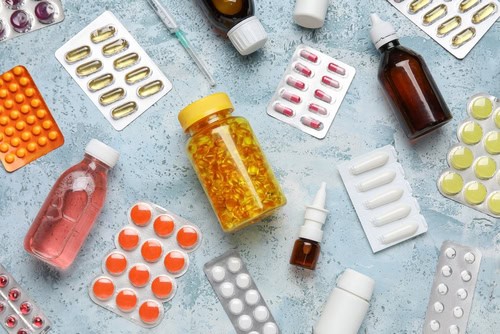
If you have noticed a change since beginning a prescription or adjusting your dosage, keep a record of when the symptoms started and discuss them with your GP.
There may be alternative medications, dosages or treatment options worth considering.
Never stop taking prescribed medication without professional guidance. The objective is to find a treatment approach that supports both your underlying health needs and your quality of life.
7. Take the Pressure Off Intimacy
One of the less frequently discussed barriers to sexual desire is the feeling that intimacy has become an obligation.
When sex begins to feel like something you should be doing rather than something you want to enjoy, anticipation can quickly give way to anxiety.
It may help to spend time together without any expectation that physical affection must lead to sex.
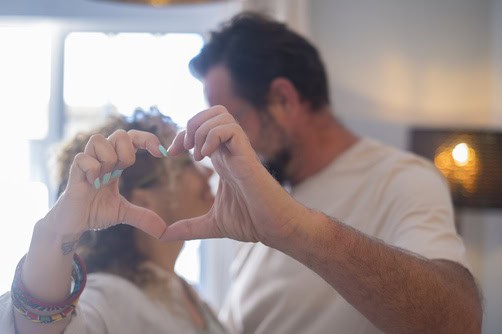
Cuddling on the sofa, holding hands, kissing or sharing uninterrupted time together can help rebuild emotional and physical closeness without creating additional pressure.
It is also useful to understand the difference between spontaneous and responsive desire.
Spontaneous desire appears without an obvious trigger, while responsive desire may develop gradually in a comfortable, affectionate or intimate setting.
Neither is inherently better than the other, and not experiencing spontaneous desire does not necessarily indicate a problem.
The important thing is that intimacy remains mutually wanted, comfortable and consensual.
8. Invest in Emotional Connection and Communication
Sexual wellbeing is not always determined by what happens in the bedroom. The wider dynamics of a relationship can have a considerable influence on desire.
Unresolved arguments, resentment, feeling unappreciated or a lack of emotional closeness can all create barriers to intimacy.
Make time for conversations that do not revolve around household responsibilities, finances or work.
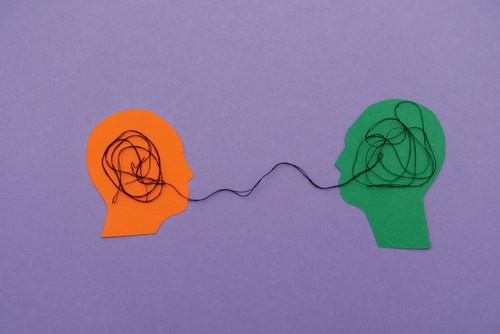
Discuss what makes you feel valued, supported and connected. Be open about your preferences, boundaries and any concerns you may have about your changing libido.
It is equally important to listen without becoming defensive or assuming that a partner’s reduced sexual desire reflects a lack of attraction.
Where communication has become difficult, relationship counselling or psychosexual therapy may offer a constructive way to address underlying issues.
9. Reduce Alcohol and Look After Your Physical Health
A glass of wine may initially help some people feel more relaxed, but drinking excessively can have the opposite effect when it comes to sexual function.
Alcohol can interfere with sleep quality, physical arousal and erectile function. Regular heavy drinking may also contribute to wider physical and psychological health problems.
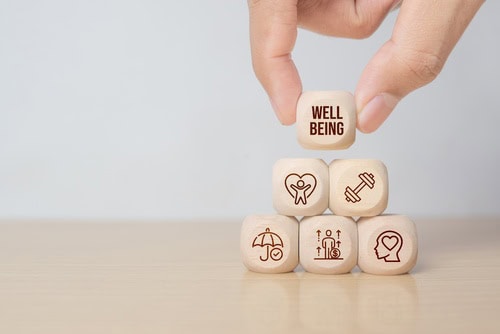
Reducing alcohol consumption, stopping smoking and maintaining a balanced lifestyle can support cardiovascular health and general wellbeing.
It is also important not to overlook underlying medical conditions.
Diabetes, thyroid disorders, cardiovascular disease and other long-term health problems can sometimes contribute to changes in sexual desire or function.
Looking after your sexual health should therefore be considered part of looking after your overall health, rather than an entirely separate concern.
10. Reconnect With Your Own Sense of Wellbeing
Sexual confidence can be influenced by body image, ageing, previous experiences and the way we feel about ourselves outside our relationships.
When life becomes dominated by responsibilities, it is easy to lose touch with the things that make us feel confident, attractive and individual.
Make time for activities that bring you genuine enjoyment. Rediscover hobbies, invest in friendships, prioritise personal care and allow yourself to enjoy moments that are entirely your own.
Understanding your personal preferences, recognising your boundaries and developing a positive relationship with your body can also contribute to a healthier approach to intimacy.
There is no requirement to look a certain way, reach a particular age or maintain a particular frequency of sexual activity.
Feeling comfortable in yourself is considerably more valuable than trying to live up to someone else’s expectations.
When Should You See a Doctor About Low Libido?
Although fluctuations in sexual desire are common, a persistent or unexpected change should not necessarily be dismissed.

Consider speaking to your GP if:
- Your sex drive has decreased suddenly without an obvious explanation.
- Reduced libido is causing emotional distress.
- You experience pain or discomfort during intimacy.
- You have noticed changes after starting medication.
- You are experiencing ongoing erectile difficulties.
- You have symptoms that may suggest a hormonal imbalance.
- You are struggling with persistent fatigue, anxiety or depression.
A healthcare professional can help identify possible physical, hormonal or psychological causes and recommend appropriate support.
Frequently Asked Questions About Improving Your Sex Drive
What is the fastest way to improve your sex drive?
There is no universally effective way to increase libido instantly. Addressing immediate factors such as stress, exhaustion, discomfort or relationship tension may help, but persistent changes often require a more considered approach.
Can certain foods increase libido naturally?
A nutritious diet supports overall health and may indirectly benefit sexual function. However, there is insufficient evidence to suggest that individual foods such as watermelon, oysters or chocolate reliably increase sexual desire.
Can stress cause a loss of sex drive?
Yes. Stress can affect emotional wellbeing, energy levels and the ability to relax. Chronic stress may also contribute to relationship difficulties and reduced interest in intimacy.
Does sex drive naturally decrease with age?
Sexual desire may change with age, but reduced libido is not an inevitable consequence of getting older. Physical health, hormonal changes, medication and relationship circumstances often play a greater role than age alone.
How can women improve their sex drive during menopause?
Managing menopause symptoms, improving sleep, addressing vaginal dryness or discomfort and discussing suitable treatment options with a healthcare professional may help. Hormone replacement therapy and, in some circumstances, prescribed testosterone may be appropriate following clinical assessment.
Can exercise increase libido?
Regular physical activity may support sexual wellbeing by improving mood, cardiovascular fitness, energy levels and body confidence. However, excessive exercise and inadequate recovery can have the opposite effect.
Are libido-boosting supplements effective?
Scientific evidence supporting many commercially available libido supplements is limited. Some products may also interact with medications or contain unsuitable ingredients. Speak to a healthcare professional before taking supplements marketed for sexual enhancement.
Is it normal to have a low sex drive?
Yes. Sexual desire varies considerably between individuals and throughout different stages of life. A lower sex drive does not necessarily require treatment unless it represents a concerning change, causes personal distress or is associated with other symptoms.
Improving Your Sex Drive Is About More Than Intimacy
A healthy sex drive is not something that can necessarily be achieved through a particular food, supplement or evening routine.
Sexual wellbeing is closely connected to how we feel physically, mentally and emotionally. Improving sleep, reducing stress, maintaining healthy relationships and addressing underlying health concerns can all contribute to a more positive experience of intimacy.
Rather than measuring your sexual desire against unrealistic expectations, focus on understanding your own needs and making changes that genuinely improve your quality of life.
After all, feeling healthy, confident, comfortable and connected is a far more meaningful goal than simply increasing the frequency of sex.
This article is intended for general information and should not replace individual medical advice, diagnosis or treatment.