Scalp Psoriasis: Practical Tips for Everyday Comfort

Share
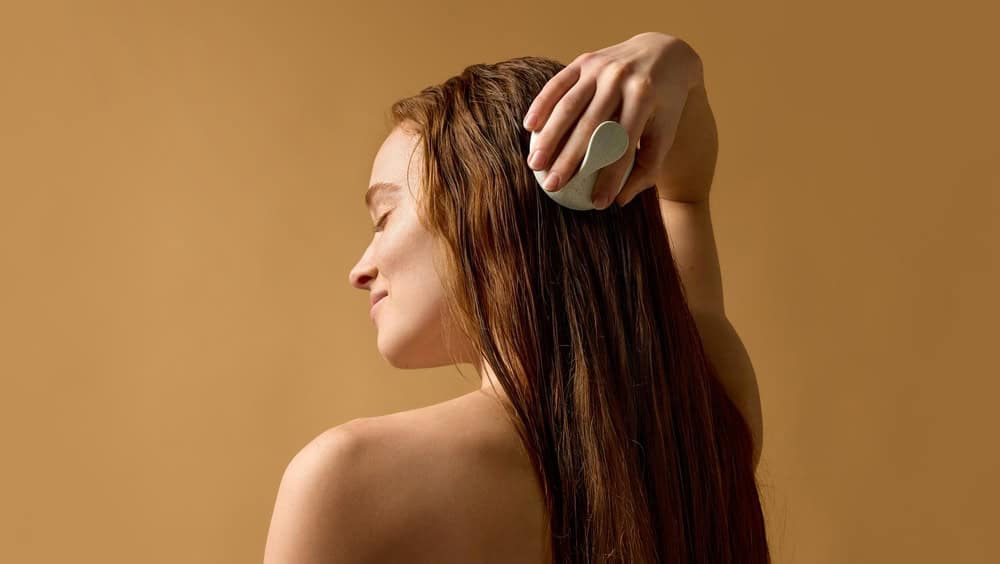
Practical Ways to Make Daily Life Easier With Scalp Psoriasis
The daily cost shows up as itching at night and flakes on dark clothing, and the social side often causes more frustration than the skin itself. Small habits repeated daily do more for scalp health than occasional bursts of effort, and each of the habits below is cheap enough to repeat every day.
Start by breaking the itch-scratch cycle
Itch leads to scratching, and scratching leads to more itch. That loop is the itch-scratch cycle, and breaking it gives the scalp a chance to settle. Scratching can also worsen scalp irritation and damage already sensitive skin, which gives the itch more reason to return.
Physical substitutes cost less effort than trying to resist the urge all day, because they act before the urge peaks. A cool compress eases the itch for a while. Short, filed nails limit the harm when a scratch slips through.

Night tends to be the hardest stretch, since itching breaks sleep and poor sleep makes the next day harder. A cool bedroom and nails trimmed before bed reduce the damage done half-asleep. Flakes on the pillow often say how the night went.
Rethink the wash and dry routine
Hot water feels good in the moment and leaves the scalp itchier afterward. Lukewarm water cleans without provoking fresh itch, so keep the temperature moderate even when the urge is to turn it up. How often to wash is personal, and the right schedule keeps scale from building without leaving the scalp sore.
Apply shampoo with the finger pads and work gently across the scalp. Nails in the wash create the same trauma as scratching. When scale is heavy, a second rinse clears the loosened flakes a first pass leaves behind.

Drying causes its own damage. Rubbing with a towel drags across plaques and lifts scale before it’s ready to come away. Blot with a clean towel and let the hair finish air-drying when time allows.
A pharmacist can point out emollients and scale softeners that loosen thick crusts before washing. Softened scale comes away with less friction, and the whole routine gets gentler.
Make flakes harder to notice
Psoriasis isn’t contagious, but visible flakes still draw attention nobody wants. Dark navy and black show every speck. Light colors and patterned fabrics hide shedding between washes.
Small logistics do the rest. Combing over a sink keeps flakes contained, and a soft brush kept at work or in a bag clears shoulders before meetings.
Most hairdressers and barbers have seen scalp psoriasis before. A quick word before a cut saves a longer explanation halfway through, and most will adjust without fuss.

Pillows collect scale overnight. A towel or spare cover over the pillowcase protects the bedding and shakes out in seconds each morning.
None of this changes the condition, but together these adjustments cut down on awkward moments across an ordinary week.
Build a routine you can actually keep
Greasy, slow products get abandoned, and abandoned products do nothing. A modest routine repeated every day does more than an ambitious plan that survives a week. Keep products where they get used, and attach each step to something that already happens, like the morning shower.
Triggers vary from person to person. Stress, alcohol, cold weather, and new hair products are common ones, and a two-week diary is a practical starting point for sorting out which might apply. Note the flare days, what came before them, and how the nights went; two weeks is short enough to finish, and the record gives you something concrete to discuss with a clinician. A clinician can do more with two weeks of dated observations than with a description reconstructed from memory.
Know when to hand it to a professional
Daily habits have limits, and some signs mean professional input is due. Plaques that crack or bleed need a clinician’s eye. So does scaling that extends beyond the hairline, and itching that regularly breaks sleep.
Reaching a clinician is easier than it used to be. For anyone who struggles to get to a local pharmacy or a doctor’s office, an online consultation can be a convenient way to talk through scalp psoriasis treatment options with a clinician, without an in-person visit. That conversation can cover approaches for soothing scalp psoriasis symptoms and what might suit a particular case.

Seborrheic dermatitis looks similar to scalp psoriasis, and treatment choice depends on the type, the severity, and the location. Guessing wrong means weeks spent on the wrong problem.
The options run wider than most people expect. Topical corticosteroids, salicylic acid preparations, and coal tar products all have established roles, and clinic-based phototherapy exists for cases that don’t respond to topical care. A pharmacist can explain which category fits which situation and how to reach the scalp itself when hair is in the way.
Bring the trigger diary to that conversation. Two weeks of notes turns a short appointment into a productive one, and the habits already in place give whatever gets prescribed a better chance to work.