
5 Accessible Garden Ideas for a Safer Outdoor Space

Share
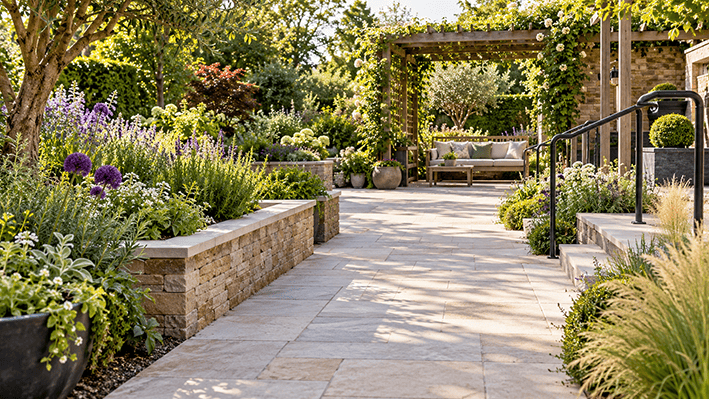
5 Simple Ways to Make Your Garden Safer and More Accessible for Everyone
A shared garden needs to work for toddlers, older relatives and everyone in between. Small changes can make paths easier to use, reduce everyday trip risks and create comfortable places where the whole household can spend time together. Many accessible garden ideas also make routine upkeep simpler, so thoughtful design needn’t make an outdoor space feel clinical. Start with the routes people use most, then consider where they pause, sit and tend plants.
Level Uneven Paving Slabs
Walk slowly along each garden route and look for slabs that rock, tilt or stand proud of their neighbours, which can detract from otherwise functional garden additions. Even a small raised edge can catch a shoe, walking aid or pushchair wheel. Loose slabs may need lifting and relaying on a properly prepared, compacted base. Cracked pieces should usually be replaced.

Pay particular attention to the route between the back door and the main seating area. Keep paving joints narrow and fill gaps before weeds loosen the surface. After heavy rain, check for puddles too. Standing water often reveals a dip that needs correcting and can leave algae or dirt behind once it drains.
Enhance Step Edges and Ramps
Make every change in level obvious, especially where similar paving colours cause a step to blend into its surroundings. A contrasting strip along the front edge helps people judge depth, while evenly spaced lighting improves visibility on dark evenings. Practical steps and ramps inspiration can help you find a layout that suits an awkward slope without overwhelming the planting.

For timber or composite routes that become slick in wet weather, fitted decking strips can add grip to walkways and step edges. Keep ramps clear of pots and trailing growth, and avoid abrupt turns where a pushchair or mobility aid needs room to move.
Install Sturdy Handrails Discreetly
A handrail can make a short flight of steps much easier for grandparents, children and anyone carrying washing or gardening supplies. Choose a rail that feels comfortable to grip and extends across the full run of the steps. It should remain secure when someone places their weight on it, so fixings and the supporting surface need careful checking.
Good design helps the rail settle naturally into the garden. Powder-coated metal in a muted green or charcoal shade can sit quietly beside planting, while a simple timber finish may suit a deck. Leave enough clearance around the grip and trim back thorny or dense plants that could obstruct access.
Choose Smooth Low-Maintenance Borders
Traditional border edges can create awkward corners and narrow pinch points. Use smooth, rounded edging beside paths and keep the finished border slightly below the walking surface so soil and gravel don’t spill across it. Raised beds can bring herbs, flowers and vegetables within easier reach, particularly for someone who finds bending uncomfortable.
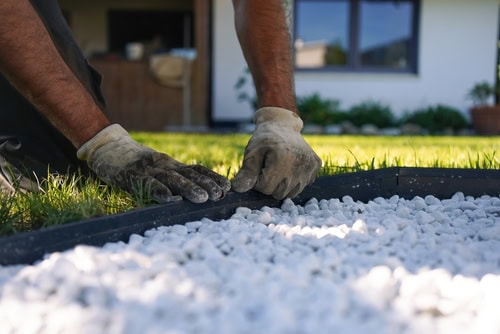
Choose plants that hold their shape and don’t demand constant pruning. Compact shrubs, ornamental grasses and ground-cover plants can soften hard surfaces without spreading across the route. Avoid placing spiky varieties beside seating or busy paths. A 90 cm clear route may suit many household paths, though wider sections are useful where two people need to pass comfortably.
Provide Shaded Seating Corners
Place seats where people naturally stop, such as near a play area, beside a kitchen garden or halfway along a longer path. A bench with a back and armrests gives useful support when sitting down and standing up. Leave firm, level space next to it for a pushchair, mobility aid or small side table.

Shade matters during warmer months, but a large parasol base can become an obstacle. A pergola, retractable canopy or well-positioned small tree may fit the space more neatly. Check how sunlight moves across the garden before choosing a permanent location. Morning shade can make breakfast outdoors pleasant, while afternoon cover helps a seating corner remain usable later in the day.
The best shared gardens feel welcoming because practical details fade into the overall design. A secure rail can match nearby planters, a ramp can follow the line of a border, and a shaded bench can become the household’s favourite place for tea. Once those features feel like part of the garden, everyone can use the space more comfortably.

