
Eco-Friendly Garden Ideas for a More Sustainable Outdoor Space

Share

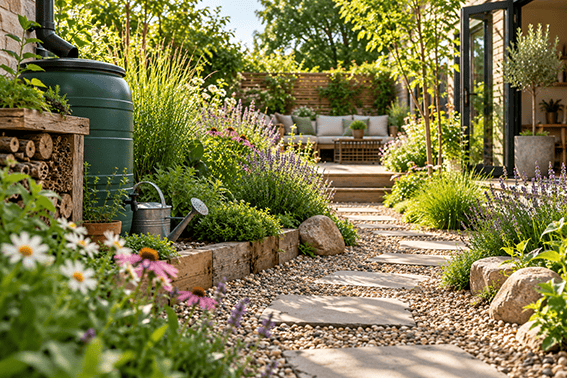
How to Create a Beautiful, Sustainable Garden That Works With Nature
An eco-friendly garden is a beautiful space that works *with* nature, not against it. By making smart choices about plants, water, and materials, you can create your own personal oasis that’s not just stunning but also a real help to the local ecosystem. The goal is to design a garden that pretty much takes care of itself, reduces waste, and gives local wildlife a boost. If you follow a few key sustainable landscaping practices, you can turn your outdoor area into a thriving, easy-to-maintain haven.
And the best part? This approach doesn’t mean you have to tear everything up and start over. Just adding a few eco-friendly touches can make a huge difference, helping you save water, shrink your carbon footprint, and create a healthier spot for both you and your local critters to enjoy.
Reducing Water Use Smartly
A big part of gardening sustainably is being smart about water. Instead of just turning on the tap, why not consider installing a water butt to collect rainwater from your roof? This soft, nutrient-rich water is absolutely perfect for your plants, and it’s completely free!
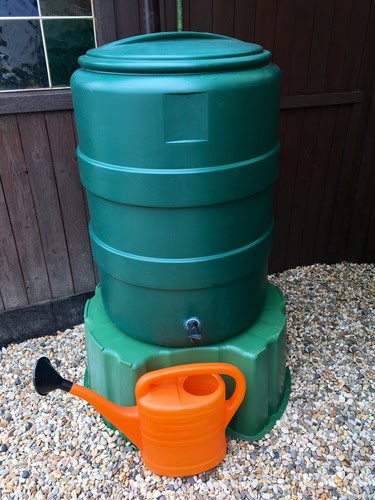
When you do need to water, try to do it early in the morning or late in the evening to minimize evaporation. Water deeply but less often; this encourages your plants to grow strong, deep roots that can find moisture on their own. Plus, grouping plants with similar water needs together makes your watering routine much more effective and less wasteful.
Embracing Permeable Surfaces
Hard, solid surfaces like concrete patios and paths can cause real headaches with water runoff. They can contribute to flooding and stop rainwater from soaking into the ground and refilling our groundwater. A much better option is to use permeable materials that let water seep into the earth naturally.
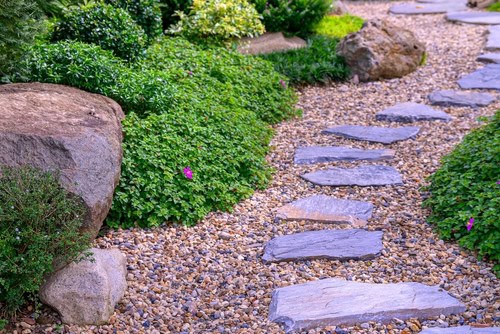
Gravel paths, areas covered in wood chip mulch, and decking with small gaps between the boards are all fantastic choices. You can create lovely, practical pathways or seating spots using affordable garden stones and other decorative stones. These materials don’t just help manage rainwater; they also add texture and a natural look to your garden design.
Selecting Native Plants
Choosing plants that are native to your area is one of the most powerful things you can do for your garden’s ecosystem. Native plants have grown up alongside your local climate and soil conditions, which means they usually need less water, fertiliser, and general fuss once they’re settled in.
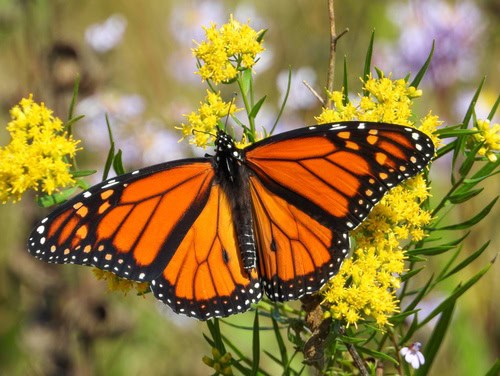
They also provide vital food and habitat for local wildlife, such as birds, bees, and butterflies. A quick trip to a local nursery or some online research can help you figure out the best native species for your space. The ideas behind a sustainable yard can easily be adapted to any region, focusing on plants that naturally belong there. Before you know it, your garden will be a buzzing hub of activity.
Composting and Soil Health
Healthy soil is the absolute bedrock of a healthy garden. Instead of tossing out kitchen scraps and garden trimmings, you can turn them into “black gold” by composting. All you really need to get started is a simple compost bin or even just a pile tucked away in a corner of your garden.
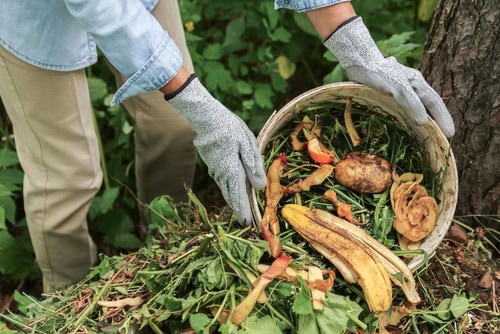
By adding materials like fruit and vegetable peelings, grass clippings, and fallen leaves, you’ll create nutrient-rich compost. This stuff improves soil structure, helps it hold onto moisture, and cuts down on the need for artificial fertilisers. Feeding your soil with homemade compost is a clever, closed-loop system that keeps waste out of landfills while naturally nourishing your plants.
Recycling Garden Materials
Before you throw anything away, take a moment to consider how it could find a second life in your garden. Old, broken terracotta pots, for example, can be smashed into smaller pieces and placed at the bottom of new containers to improve drainage. Fallen branches and logs can be stacked up in a quiet corner to create a fantastic home for insects, amphibians, and even small mammals. Wooden pallets can be cleverly turned into vertical planters for herbs or strawberries, and old tyres can become quirky raised beds. This creative approach also adds unique character to your garden and helps reduce your overall waste.
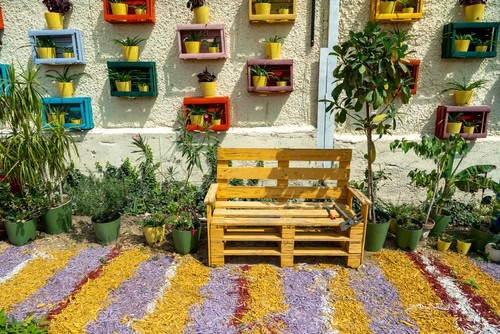
By embracing these sustainable practices, your garden can become a more vibrant, resilient, and environmentally friendly space. It’s a truly rewarding way to connect with nature and make a positive difference right outside your own back door.