
Why Your Dentist May Refer You to an Oral and Maxillofacial Surgeon

Share
When Does a Dentist Refer You to an Oral and Maxillofacial Surgeon?
A referral to a surgeon can feel alarming when all you expected was a routine dental visit. It doesn’t mean your dentist missed something or can’t handle your care. It means your needs sit outside the scope of general dentistry and a specialist partner should weigh in.
What an oral and maxillofacial surgeon actually does
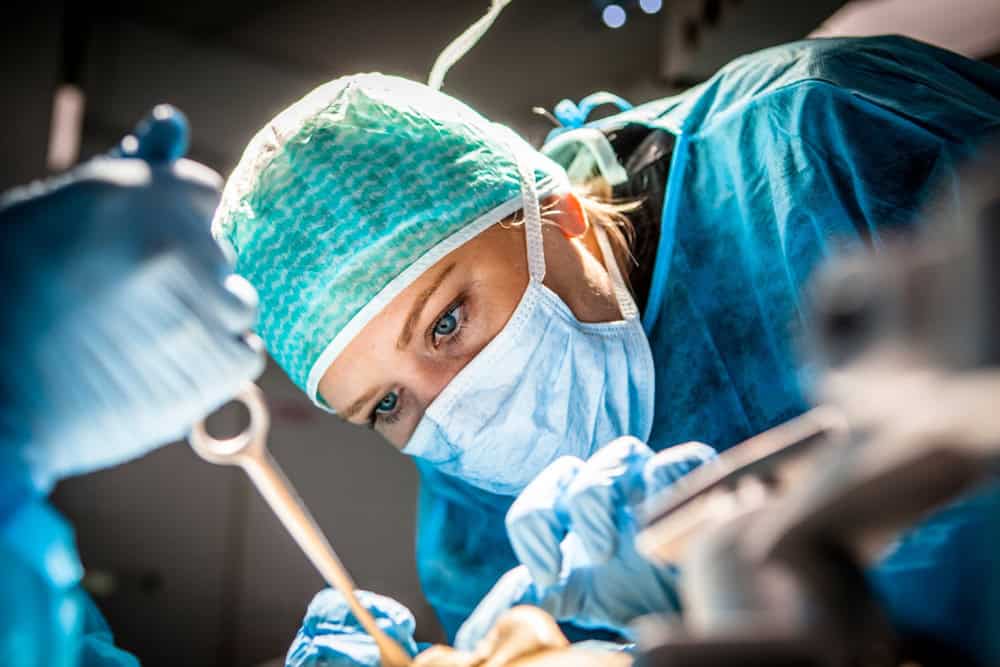
An oral and maxillofacial surgeon starts as a dentist and then completes extra years of hospital-based surgical training. The common path includes dental school followed by a residency focused on surgery of the mouth and jaws. That sequence prepares them for care that goes past what a family dental office can provide with its tools and setup. This division helps ensure each patient gets care matched to the problem at hand.

A general dentist handles checkups and preventive care. They also place fillings and handle simple extractions. Root canal concerns often go to an endodontist while gum support concerns go to a periodontist. The surgeon fits that same pattern for bone work and soft tissue surgery.
A panoramic X-ray is often where the story starts. It gives a wide view of teeth and roots in one image. It also shows the jaw joints and nearby structures. It can flag crowding or an unusual root curve. Your dentist will then talk through whether a surgical opinion makes sense for your case.
The American Association of Oral and Maxillofacial Surgeons sets training standards for the field. Those standards center on surgical skill with hospital-based anesthesia training. Referral reasons and treatment options vary from person to person. A clinical exam with imaging and direct input from the providers involved will determine what fits.
Wisdom teeth that run out of room
Third molars are the teeth we hear about most in referrals. They try to come in during the teen years and early adult years when the jaw is already full. When there isn’t space they can tilt or stall under the gum or press against the next tooth. You won’t always feel that happening.
Family dentists watch this stage with regular exams and panoramic images. If the images show impaction that may cause pain or infection, a surgical consult is often the next step. It’s a common path for many patients, though not every impacted tooth needs removal right away.
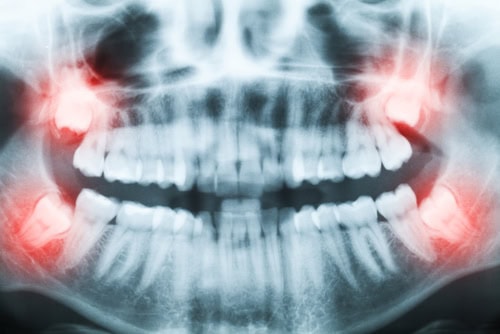
Some people notice pressure in the back of the mouth. Others notice swelling around the gum. Many notice nothing at all until an image shows the angle. That’s why dentists track these teeth over time instead of judging from one visit.
A surgeon can remove teeth that sit at odd angles or under bone. They plan the approach with three-dimensional views when plain films don’t show enough. Your own plan will depend on a clinical exam with imaging and direct input from the providers involved. You don’t need to decide on surgery from the X-ray alone.
Recovery looks different for each person. Your dentist and the surgical team will coordinate follow-up visits and home care steps. There’s no single timeline that suits every mouth. What matters is that healing is watched until chewing feels normal again.
Teeth that break or sit close to a nerve
Not every tough extraction involves wisdom teeth. A tooth can break off at the gumline after decay or injury. Roots can curve or spread in ways that grip the surrounding bone, and these cases take more time and different instruments than a simple removal.
When your dentist refers you to a Maxillofacial Surgeon, you are being connected with a specialist whose hospital-based surgical training goes beyond what can be done in a general dental chair. The referral often comes after an X-ray shows roots near the inferior alveolar nerve in the lower jaw. That nerve supplies feeling to the lip and chin on that side, so careful planning matters.
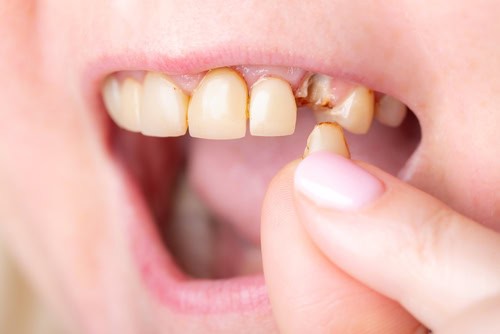
Your family dentist could likely lift a simple tooth in minutes. They refer when extra force would be needed. They also refer when nerve proximity raises the stakes. There’s no fault in that call.
Surgeons handle these anatomies often and have imaging and sectioning methods to lift the tooth in parts when needed. You may be offered sedation to stay still and comfortable during the work, depending on what the office provides and what suits your case. What you need will depend on your own exam findings. Only imaging with a face-to-face consult can sort out the right path.
Implants when bone is thin
Missing teeth change how we chew and how the bite lines up. Implants replace the root portion with a post that sits in jawbone. The post needs solid bone around it to stay stable. When bone volume is limited, grafting may be considered before or alongside implant placement, depending on the clinical findings.

Bone grafting places donor or synthetic material where volume is lacking. The area may need a healing period before it can hold an implant, depending on the treatment plan. Your surgeon will time the steps from follow-up images. Some plans place graft and implant on separate visits.
Surgeons place implants routinely and match the angle and depth to your bite. The restorative part with a crown or bridge stays with your general dentist. Dentures that snap onto implants involve the same teamwork. Your family dentist and the surgeon will share records and images.
Not every gap needs an implant. Bone shape with gum health shapes the choice, and medical history plays a part as well. You don’t need to assume that grafting leads straight to surgery. An exam with imaging will show what your structure allows.
Jaw joint pain that doesn’t settle with simple care
The temporomandibular joint links the lower jaw to the skull in front of each ear. When it gets irritated you may hear clicking or feel soreness while chewing. Stress clenching with bite imbalance can play a part. Injury can play a part as well.
Dentists usually start with reversible steps. A custom splint can reduce night strain. Physical therapy with habit coaching can ease daytime clenching. Self care with heat and rest breaks can calm a flare.

Surgery isn’t first in line.
It enters the talk when pain and limited opening persist after these measures. Options may include arthrocentesis or arthroscopy. In severe joint breakdown, full joint replacement may be discussed as a separate path. You won’t get a surgical plan from symptoms alone.
Imaging with a joint exam and specialist input will guide what fits. There’s no single fix that suits every jaw, and what helps one person may not help the next. That’s why dentists try the least invasive path first and refer only when function stays limited.
Bite alignment and breathing during sleep
Some bites can’t be fixed with braces alone. When the upper and lower jaws grow at different rates the teeth may never meet evenly. Chewing can feel uneven and speech can feel strained. You may also notice jaw fatigue by the end of the day.
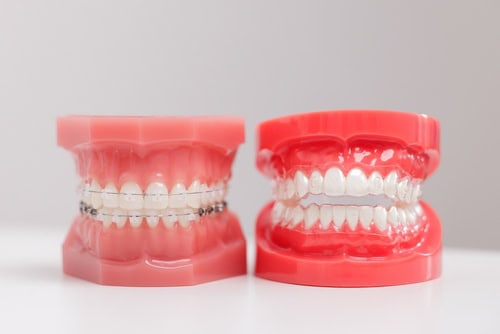
Orthognathic surgery repositions one or both jaws to bring teeth together. An orthodontist lines up the teeth before and after the operation. Your general dentist stays involved for ongoing dental care. The orthodontist and surgeon plan the movements together from shared images.
This work takes patience. Braces often stay on for many months before and after the operation. Follow-up visits track bite contact and gum health. You don’t need to guess the order of steps on your own; the team will map it out after exams and imaging.
The same jaw surgery skills apply to obstructive sleep apnea in select cases. Maxillomandibular advancement moves the upper and lower jaws forward to widen the airway. It may be considered when CPAP hasn’t worked for you. A sleep study with medical review must come first. Your own anatomy with your sleep findings will shape whether this path is even discussed.
Sores, lumps and spots on X-rays
Dentists look past teeth at every check. They check the tongue and cheeks for color or texture changes. They also check the palate and throat area. Some spots result from irritation such as a sharp edge or a burn, but appearance alone cannot establish the cause.
A sore that doesn’t heal within a couple weeks deserves a prompt look. A lump that grows or bleeds should also be checked without delay. Don’t wait to mention these changes, and call your dental office if you notice new numbness or trouble swallowing.

If something looks unusual your dentist may refer for biopsy. That means a small sample is taken for lab review. Oral pathology review tells whether the tissue is harmless or needs wider removal. Cysts in the jawbone follow a similar path when they show on images.
Early checks allow timely next steps. Your own plan will rest on exam findings and lab results. There’s no way to judge a lesion by appearance alone. What looks small still needs proper testing before anyone can name it.
When sedation or health history shapes the plan
Some patients put off care because they dread the chair. Severe anxiety with a strong gag reflex can make even simple work hard. Complex medical histories can add another layer. Many OMS offices are equipped to offer sedation options such as IV sedation or general anesthesia, though what’s available and what’s appropriate depends on the office and your own health.
That training lets the team adjust depth from light calm to full sleep when that option applies. Monitors track breathing and heart rhythm through the visit. The aim is to manage discomfort and anxiety safely, but the appropriate approach and individual experience vary. Multiple steps can often be grouped into one visit when that suits your health.
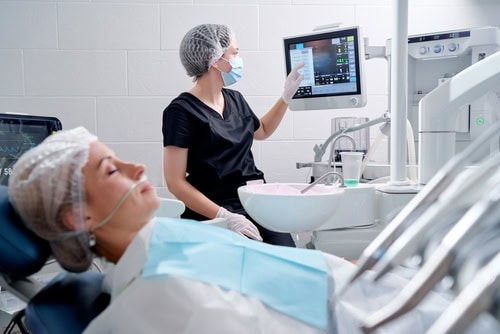
Sedation isn’t only for fear. It helps when several implants or extractions are planned together. It also helps when a patient can’t sit still for long. Your medical history with current meds will shape what type is safe.
Be open about health conditions and past anesthesia responses. Bring a list of prescriptions and over-the-counter products you take. The team will then match the plan to your needs. Your dentist will stay linked in for records and aftercare.
A referral isn’t a red flag. It’s how good dental care works when problems cross into surgery. Expect a consult first with new images and a plain talk about choices. Your regular dentist will stay in the loop for recovery and next steps, and that teamwork is what keeps family dental health steady over time.

