How to Find Your Signature Scent: A Guide to Choosing Perfume

Share

Finding Your Signature Scent: How to Choose a Fragrance That Suits You
A signature scent can become a subtle part of how people remember you, but finding one takes a little experimentation. Fragrance changes with skin chemistry, temperature, and time, so a perfume that shines on paper may feel quite different after several hours of wear. Learning a few basic terms and testing each aroma patiently will help you choose scents that suit both your personality and your plans.
Understanding Scent Families
Most perfumes sit within broad scent families such as floral, woody, fresh and amber. Floral compositions might feature rose, jasmine or violet, whilst fresh scents often use citrus, green leaves or aquatic notes. Woody perfumes lean towards cedar, sandalwood and vetiver. Amber fragrances tend to feel warmer, with notes such as vanilla, resin and spice.

You’ll also encounter top, heart, and base notes. The top notes create the opening impression and may fade within 15 to 30 minutes. Heart notes then become clearer, followed by longer-lasting base notes. Wear a perfume for several hours before deciding how you feel about it, since the first spray tells only part of the story.
Finding Your Personal Olfactory Style
Start with fragrances you already enjoy, including aromas beyond perfume. The smell of clean linen may point towards musk, aldehydes, or soft florals. A preference for forests and freshly sharpened pencils could lead you towards pine, cedar, or vetiver. Make a short list of recurring notes, then look for perfumes that combine two or three of them.
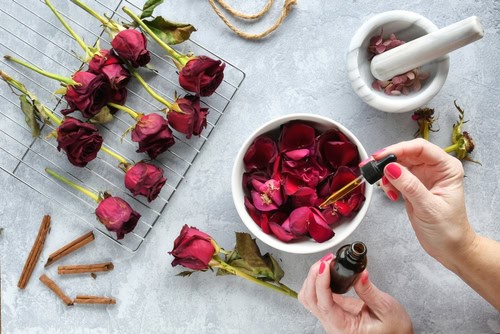
Trying fragrance samples lets you compare perfumes over several hours before committing to a full-size bottle. Test one scent at a time on clean skin, noting how its opening develops into heart and base notes. Record how long it lasts and how it suits different occasions, so you can identify the fragrances you genuinely enjoy wearing.
The Power of Scent in Professional Settings
A workplace scent should sit close to the body and remain comfortable for people nearby. Apply one light spray beneath your clothing or to a single pulse point, then wait ten minutes before deciding if you need more. Meeting rooms, shared desks and public transport all make restraint especially useful.

Fresh citrus, tea, iris and gentle woods often feel polished without dominating a room. Save richer or sweeter compositions for settings where there’s more space. The safe use of fragrance ingredients is guided by industry standards, but personal sensitivity still varies. If your workplace has a scent policy or a colleague has mentioned allergies, follow that guidance and keep perfume for your time away from the office.
Discovering New Aromas Without Commitment
Give every new perfume at least two full-day trials. On the first day, spray it on a paper strip and one wrist, then check it after 30 minutes, three hours, and six hours. On the second, wear it during your normal routine. Movement, warm rooms and outdoor air can reveal qualities that a quick shop test misses.
Keep other scented products simple during testing. Strong shower gels, hand creams and fabric sprays can alter what you smell. If a fragrance seems overwhelming, try a smaller application before dismissing it. Seasonal changes matter too. Bright citrus may feel fleeting in winter, whilst dense vanilla can become heavy on a warm afternoon.
Building a Versatile Scent Wardrobe
A useful scent wardrobe can begin with three options: one understated daytime fragrance, one expressive evening choice and one easy weekend scent. The daytime bottle might feature citrus, iris or soft woods. For evenings, you could choose deeper florals, amber or spice, whilst weekends leave room for green, airy or playful notes. Once you have a few favourites, you can experiment with combining different fragrances to create a scent that feels more personal.

There’s no need to assign rigid rules. A warm woody perfume may work beautifully at the office with a lighter application, then suit dinner with an extra spray. Store bottles upright in a cool, dark cupboard, away from bathroom humidity and direct sunlight. Review what you reach for after a month. The scent you instinctively choose for an ordinary Tuesday may be the clearest expression of your personal style.