
How to Choose the Best EDC Flashlight for Everyday Use

Share

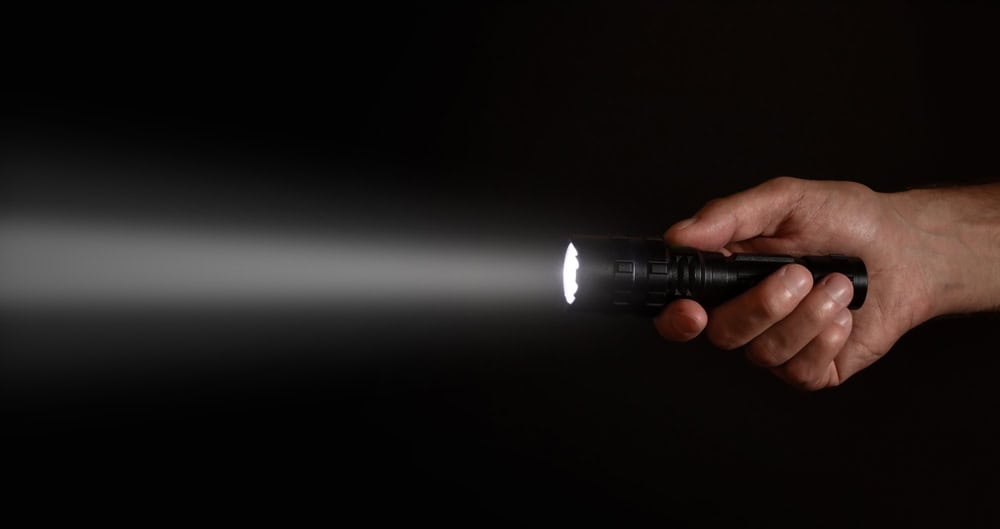
What to Look for When Buying an Everyday Carry Flashlight
An EDC flashlight can look like a straightforward purchase: pick an affordable option with a good enough number on the box. But a light that’s too bulky, too dim where it matters, or fiddly to turn on may soon end up in a junk drawer. The best EDC flashlight is the one you actually have in your pocket when you need it.
That changes how you shop. Rather than chasing a spec sheet, work through a checklist based on how you’ll use the light. Here’s what to look for.
Start with your pocket, not the spec sheet
Before anything else, hold the light in your hand. A photo with a quarter beside it only tells you so much.
A flashlight that’s comfortable for thirty seconds in a store can feel different after eight hours in a pocket with your keys and phone. Weight matters. Something that feels solid when you pick it up can feel like a brick by the end of a workday. Length matters too: a light that pokes above the pocket line when you sit down may get left at home.
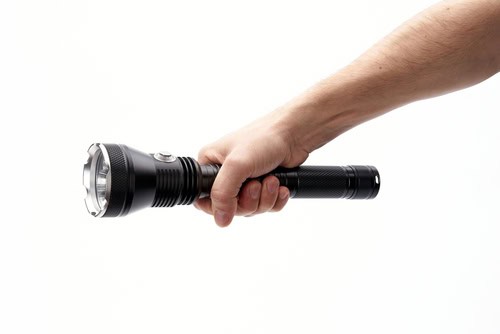
This is an easy filter to overlook because it feels mundane. Give pocket comfort as much attention as the specifications.
Compare beam pattern as well as lumens
Lumen counts get attention because they’re easy to put in bold on a box. They measure total light output, not how far that light travels or how useful it is at the distance you need.
Candela measures beam intensity and helps you compare how strongly a beam illuminates a distant target. Visibility also depends on the surroundings, weather and target itself. A tightly focused light with a modest lumen rating can outperform a brighter flood light when you’re identifying something across a parking lot or down a hallway. The flood light spreads its output widely, while the thrower concentrates it where you’re looking.
Beam pattern has a big influence on whether a flashlight suits your daily tasks. For close-range use, such as finding a dropped key or reading a label in a dim closet, a wider flood beam with even coverage feels more natural. If you regularly look farther out, a tighter beam with a defined hot spot will serve you better. Check candela and beam angle alongside lumens.
Batteries: pick the ecosystem, not just the cell
Battery chemistry affects runtime as well as charging, weight, and whether you can find power when you’re away from a charger.
Rechargeable lithium-ion cells, including the 18650 format, can provide strong output and lower cost per use over time because you’re not buying disposables. You do need to remember to charge them. If the cell runs out at an inconvenient moment, you’ll need a charging point or spare.
CR123A cells are another option in compact, purpose-built lights. They tend to hold their charge well during long stretches of non-use, which matters if your light spends weeks in a bag or glovebox between outings.
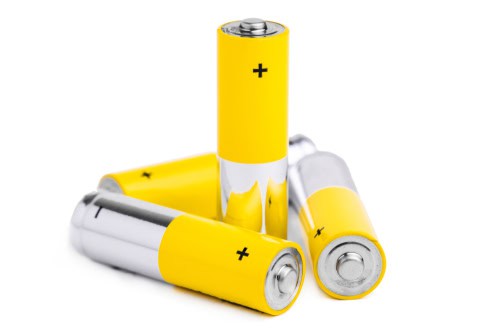
AA-powered lights can make replacements easier to find in ordinary shops. Check approved cell types before buying, and avoid mixing old and new cells in a multi-cell light. For an outage or an unplanned night away from your charger, availability is worth weighing against the larger form factor some AA lights require.
There’s no universally correct choice. Choose around how reliably you charge things and how often you’re somewhere without easy access to the battery type your light needs. Similar-looking cells are not necessarily interchangeable: use only the chemistry and battery specifications approved for the model, and never try to recharge a non-rechargeable cell. Carry removable spares in a protective case with their contacts covered.
Switches and interface: the part that matters most in the dark
An awkward interface can spoil an otherwise decent flashlight. Counting clicks, holding a button for a precise duration, or cycling through five modes is frustrating when you’re groping for a switch in a dark room at 3 a.m.
Tail switches suit a familiar “click on, point, click off” style and can be operated one-handed by pressing against a surface. Side switches can be convenient in a palm-down grip. Whichever you choose, take the light out of your pocket and point the lens clear of clothing before turning it on.
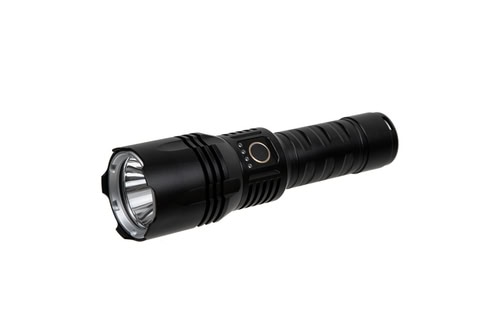
Mode behavior deserves as much attention as switch placement. A light that starts at full blast can be annoying when you usually need a low, eye-friendly glow. Look for last-used mode memory or quick, intuitive access to a low setting without cycling through everything else; these are alternative ways to reach a useful output.
Check for a lockout feature too. Accidental activation against keys or fabric drains the battery and can generate uncomfortable heat. A supported mechanical or electronic lockout helps prevent this, but generally adds an unlocking step. Learn that sequence so it doesn’t become an obstacle when you need light.
Durability claims you should actually be able to verify
“Tough,” “rugged,” and “built to last” are marketing words, not specifications. Look for a water resistance rating on the IPX scale and a drop or impact rating expressed in meters.
IPX ratings describe the water exposure a light is designed to survive, from rain to submersion under specified conditions. You may not need a light that survives a dunk in a lake, but you should know its rating rather than trust vague packaging claims. Match the protection to your use: outdoor work in wet weather demands more than time in a desk drawer or jacket pocket.
An impact rating describes testing from a stated height onto a hard surface, rather than guaranteeing survival in every fall. If a product page doesn’t list one, it gives you less to compare.
Read runtime numbers like a skeptic
Runtime figures should be tied to an output setting. Read low, medium and high separately rather than pairing the longest runtime with the highest brightness. Most lights with turbo or high modes run hot at peak output and automatically step down to a sustainable level to protect the LED and driver circuit. That’s normal, though a headline number may not make the step-down clear.
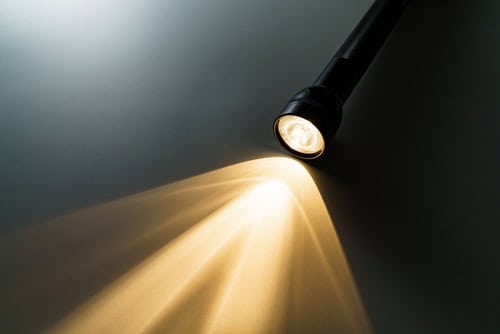
Pay attention to sustained output: the brightness a light settles into for much of its runtime. Regulation can help keep output steadier, but behavior varies with design, battery condition and temperature. A runtime graph shows whether brightness stays relatively level, steps down or fades gradually.
A graph gives you more to compare than a single runtime number. It shows the output curve rather than leaving you to judge performance from the peak alone.
Carry system details that decide whether you’ll actually use it
Clip design can make a difference to daily carry. A deep-carry clip lets the light ride almost entirely below the pocket opening, with enough exposed to grab. That reduces exposed length and can help keep it from catching as you sit down or reach for your keys, though it doesn’t necessarily reduce pocket bulge.
Check clip orientation too. Bezel-up carry points the light end toward the pocket opening for quick draw; bezel-down changes how you grip it when drawing. Neither is objectively correct. Your preference depends on how you reach for things and what else shares the pocket. Orientation alone doesn’t prevent accidental activation, so switch protection and the supported lockout method still matter.
Clip tension matters as well, particularly around pocket seams and thicker fabric. A clip that suits thin dress pants can feel loose or grabby on heavier work pants. If possible, try it on the pants or bag you’ll use daily before committing.
Match the light to your actual week
Before settling on a light, write down the three or four things you do with one in a normal week. Walking a dog after dark or finding something under a car seat might top the list. Checking a breaker panel during a power blip and reading a label in a dim pantry are other possibilities. These repeated situations tell you more about your needs than a spec sheet alone.
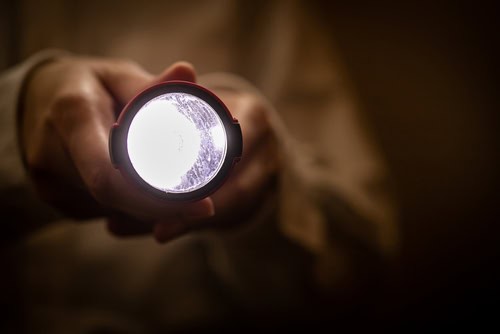
Use that list to weigh beam pattern and battery type alongside the controls, rather than comparing everything with an abstract “best” light. Close, even illumination for household tasks calls for different priorities from a longer throw for checking a property line at night. For a starting point, a range of edc flashlights with different beam patterns, battery formats, and switch styles gives you concrete options to compare against your checklist instead of relying on marketing copy.
Carry it for a week before you decide it’s the one
Specs and reviews only get you so far. Carry the light through a normal week of sitting and driving, reaching into pockets, and using it in low light without looking at the switch. Notice whether you reach for it naturally and whether the clip bothers you by the third day, then consider whether the low mode is low enough for a quiet room.
If you still reach for it without hesitation a week in, it’s passed the practical test of everyday carry.
The checklist, in short
Before committing, check size and weight in your pocket, a beam pattern suited to your tasks, and a battery format you’ll keep charged or replaced. Look for controls you can use without looking, stated water and impact ratings, useful sustained runtime, and a clip that works with your pants. A light that meets every requirement on paper but stays on the nightstand hasn’t earned its place yet. One that meets most of them and travels with you every day has.