Sustainable Technology: How Smart Tech Can Help You Live Greener

Share
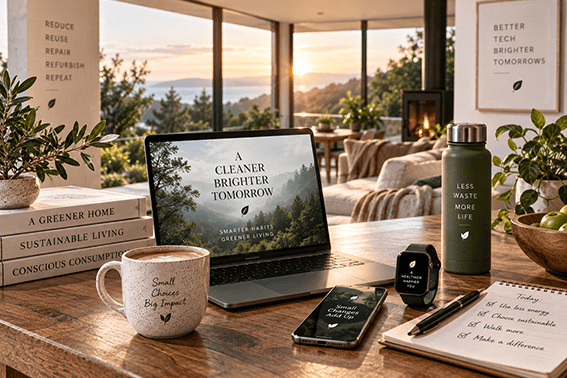
How Technology Can Help You Build a Smarter, More Sustainable Lifestyle
Technology is pretty much at the heart of everything we do these days, shaping how we work, chat, and live. This deep connection gives us a fantastic chance to make our everyday habits match our values, especially when it comes to living greener. Instead of seeing tech as just another thing we consume and throw away, we can actually use it to make smarter, more eco-friendly choices that help both our homes and the planet.
From keeping an eye on our home’s energy use to rethinking how we buy stuff, smart tech gives us the tools for a more thoughtful and efficient lifestyle. It can even help us create a butterfly-friendly sanctuary right in our own backyards. The trick is to look past the gadgets themselves and focus on the good habits they can help us build.
The Rise of Conscious Consumption
Lately, there’s been a big shift in how we think about what we buy. More than ever, people are asking tough questions: Where did this product come from? How was it made? And what happens to it when I’m done with it? This whole movement, often called conscious consumption, is all about making choices that truly reflect our personal and environmental values. It’s a move away from our old “throwaway” culture towards one that values things that last, are well-made, and are sustainable.

This change is happening because we’re all becoming more aware of big environmental issues like climate change, using up too many resources, and all that electronic waste. Shoppers are increasingly using their money to support brands that are open and honest, and committed to doing things ethically. Wanting a sustainable lifestyle isn’t just for a small group anymore; it’s becoming a major priority for lots of people. And technology, when used smartly, can be a great friend in this quest, giving us the info and control we need to lessen our impact.
Tech That Supports Eco-Friendly Living
When you hear “green lifestyle,” you might picture someone living completely off-grid. But modern sustainability often gets a big boost from clever technology. Smart devices can help us keep track of and cut down our consumption in ways we never could before. These tools quietly work in the background, making our homes more efficient and giving us insights that help us change our habits for the better.
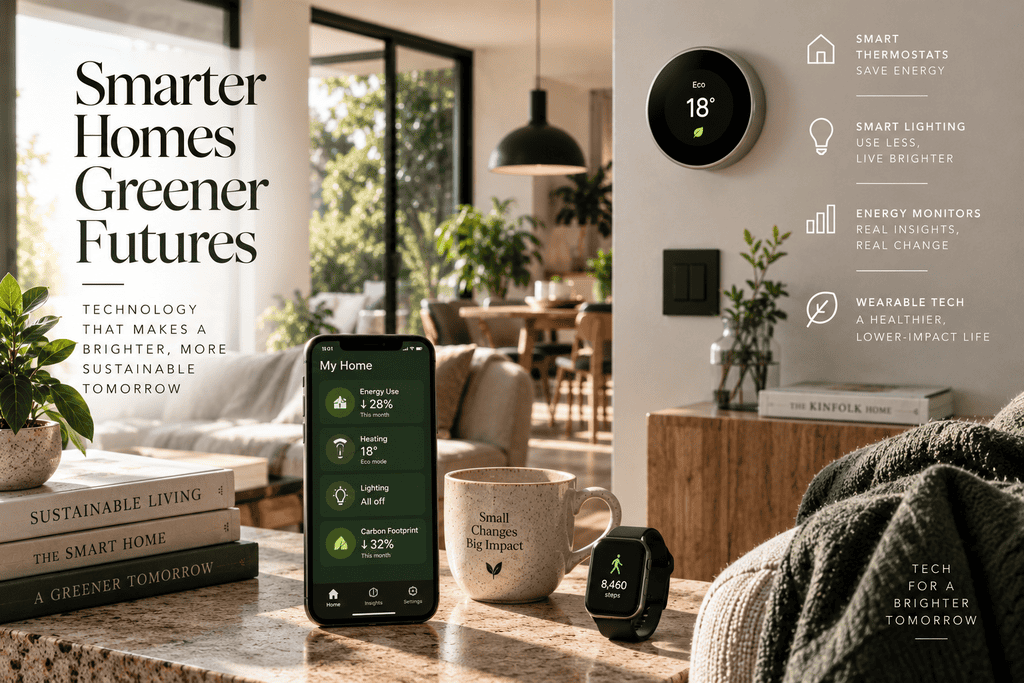
Some of the most helpful eco-friendly technologies are the ones that manage energy and resources:
- Smart Thermostats: These gadgets learn your schedule and what temperatures you like, automatically adjusting heating and cooling to save energy when you’re out or asleep. Many let you control them from afar, so you can warm up the house just before you get home instead of leaving the heat on all day.
- Smart Lighting: LED bulbs already use way less energy than old ones, but when you add smart controls, the savings really add up. You can set schedules, dim lights, and use motion sensors to make sure lights are only on when someone’s actually in the room.
- Energy Monitors: Clip one of these onto your electricity meter, and it sends real-time data about your energy use straight to your phone. Seeing exactly how much power different appliances gobble up can be a powerful push to make changes.
- Wearable Technology: Devices that track your steps, heart rate, and activity can encourage a healthier, lower-impact life. They might motivate you to walk or bike for short trips instead of hopping in the car.
Why Refurbished is a Smart Choice
One of the biggest environmental problems caused by our love for technology is electronic waste, or e-waste. Making a new smartphone or smartwatch takes a huge amount of energy and rare minerals, and often, devices get tossed long before they stop working. This is where the circular economy offers a fantastic solution. By choosing refurbished products, you’re directly fighting this cycle of waste.

Picking refurbished tech is one of the most effective sustainable tech habits you can adopt. It gives a device a longer life, stopping it from ending up in a landfill and reducing the need to make new stuff. In the past, “second-hand” might have meant taking a gamble on quality, but the refurbished market has really grown up. Reputable sellers now offer products that have been professionally checked, cleaned, and fixed up to high standards. For example, buying a refurbished Apple Watch not only saves you money but also gives a high-quality piece of tech a second chance. Many even come with warranties and return policies, taking away any worries and making it a smart choice for both your wallet and the planet.
Integrating Tech into Modern Homes
Creating a truly smart and sustainable home isn’t just about having a few clever gadgets; it’s about getting them to work together as one big system. When your devices can talk to each other, they can make smart decisions that optimise your home’s efficiency without you having to lift a finger. This integration is getting easier all the time, with platforms like Apple HomeKit, Google Home, and Amazon Alexa letting you control everything from a single app.

More and more research shows that smart homes can really kickstart sustainable consumption by automating energy-saving behaviours. Imagine your home knowing to lower the blinds on a hot day to keep things cool, cutting down on how much you need the air conditioning. Or a system that turns off all non-essential electronics and lowers the thermostat when you say “goodnight.” You can even set up routines that trigger based on where you are; for instance, making sure all the lights are off and the heating is lowered when the last person leaves the house. This level of automation turns your home into an active partner in your sustainability efforts, making it super easy to save energy and reduce your carbon footprint. Using a combination of sustainable technology at home creates a powerful ecosystem for efficiency.
Beyond the Purchase
Getting sustainable technology is a great first step, but the real impact comes from the long-term habits you build around it. The data and control these devices offer are only helpful if you actually use them. A smart meter can tell you which appliance is an energy hog, but it’s up to you to use it less or swap it for a more efficient model. A fitness tracker might tell you you’ve been sitting too much, but you still have to choose to get up and move.
Embracing a truly sustainable mindset means thinking about the whole life of your possessions. This includes:
- Fixing instead of Replacing: Before you toss a broken gadget, see if it can be repaired. Lots of local shops and online guides can help you fix common problems, saving you money and preventing e-waste.
- Mindful Upgrades: Try to resist the urge to upgrade your phone or laptop just because a new model came out. Ask yourself if your current device still does what you need it to. If you do upgrade, make sure your old device gets passed on, sold, or recycled responsibly.
- Understanding the Data: Take some time to explore the apps connected to your smart devices. Look for patterns in your energy use or daily activity. Use this information to set goals, like cutting your electricity bill by 10% or walking more each day.
Technology is just a tool, and how much good it does ultimately depends on how we choose to use it. By using smart tech to help us make decisions and support good habits, we can create a lifestyle that’s both modern and mindful.
Ultimately, using technology to live more sustainably is all about making conscious choices. It starts with picking efficient devices, continues by embracing practices like buying refurbished, and keeps going strong by using the information these tools give us to make better decisions every single day.