Automotive Torque Tools: Why Precision Matters for Vehicle Safety

Share
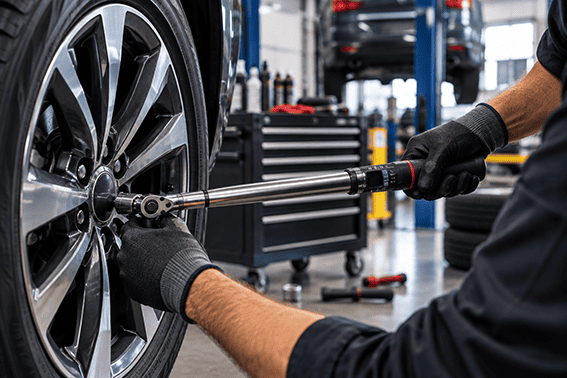
Why the Right Torque Tools Matter in Automotive Work
Automotive work demands precision. Whether a technician is completing a routine wheel change, maintaining a fleet vehicle or carrying out a roadside repair, the quality of the tools used can affect safety, efficiency and confidence in the finished job.
Using the right tool is not simply about completing a task more quickly. It helps ensure that components are fitted correctly, fasteners are tightened to the right specification and work can be recorded accurately. In an industry where reliability matters, the right equipment supports better outcomes for technicians, businesses and drivers.
Precision Is Essential for Vehicle Safety
Vehicles rely on thousands of individual parts working together. Many of those parts are secured by fasteners that need to be tightened within a specific torque range.
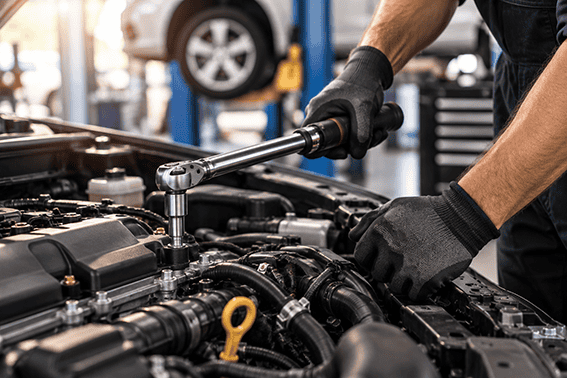
If a fastener is too loose, it may move or fail during use. If it is over-tightened, it can damage the component, stretch the fastener or make future maintenance more difficult. This is why a suitable torque wrench is an essential part of professional automotive work.
Wheel Nut Torque
Wheel nuts are one of the clearest examples. They must be tightened according to the vehicle manufacturer’s specification. Using an impact wrench may be useful for removing or initially fitting wheel nuts, but final tightening should be carried out with a calibrated torque tool.
This helps provide a consistent result and reduces the risk of problems caused by incorrect tightening.
Reliable Results Across Repeated Tasks
Garages, fleet-maintenance teams and roadside technicians often complete the same types of tasks many times each day. Reliable tools help create repeatable processes, even when work is completed under pressure or in challenging conditions.
A tool that is easy to set up and use correctly can help technicians maintain standards across every job.
The Importance of Digital Torque Tools
Traditional torque tools remain useful, but digital tools can offer additional control and visibility. They can guide users towards the correct torque setting, show when the target has been reached and help prevent under-tightening or over-tightening.
Digital technology can also support better record-keeping. Instead of relying on handwritten notes or memory, technicians may be able to capture the result of each tightening task electronically.
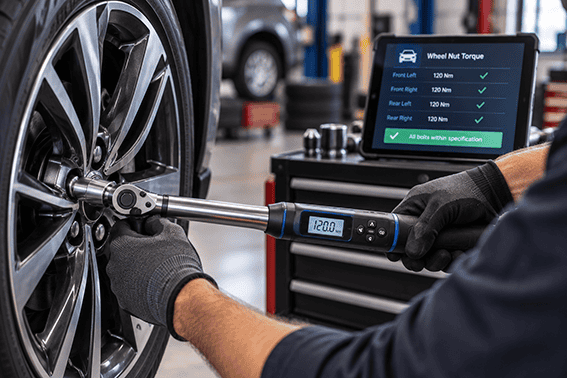
This can be valuable for quality assurance, maintenance records and internal auditing.
Working Effectively in Demanding Environments
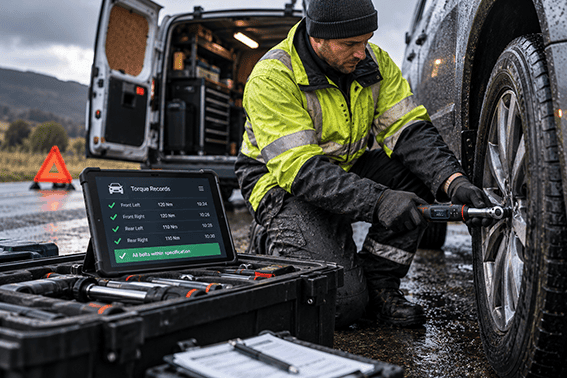
Automotive work does not always take place in a clean, controlled workshop. Fleet technicians and roadside-assistance teams may work in rain, dirt, oil, dust or poor weather conditions. Tools need to remain dependable when conditions are less than ideal.
Durability Matters
A professional tool should be designed to cope with regular use, transport and accidental knocks. Durable equipment can reduce downtime caused by tool failure and give technicians greater confidence when working away from a workshop.
For mobile teams, a reliable tool is especially important. It needs to perform consistently when it is taken from a service vehicle and used immediately at the roadside.
Better Organisation and Fewer Errors
The right tool can also simplify a technician’s workflow. If one adaptable torque wrench can cover several common ranges, it may reduce the number of tools that need to be carried and checked.
Digital setup and clear feedback can help reduce errors, particularly when technicians are completing multiple tightening tasks during a busy shift.
Connecting Tools to Maintenance Records
Data is becoming increasingly important in automotive maintenance. Businesses want a clearer record of what work has been completed, when it happened and whether it met the required standard.
Connected torque tools can support this by recording measurements and transferring information to an app or existing software system. This creates a more reliable audit trail than manual data entry alone.
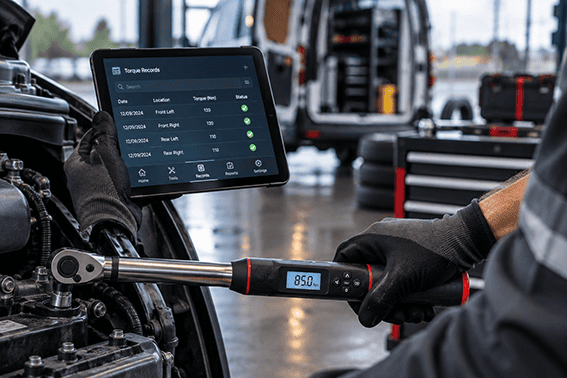
Fortix provides a range of digital torque wrenches designed for demanding applications, including fleet maintenance, roadside assistance and repair facilities. Its AMWrench range can digitally record torque results, while Fortix Tool Connect supports setup, data capture and reporting through Bluetooth connectivity.
The Fortix range is also designed for harsh working conditions, helping technicians maintain accurate torque control when working around weather, oil, dirt and daily wear.
Supporting Training and Consistent Standards
The right equipment can make training easier for new technicians. Tools with clear settings, visual feedback and digital records can help employees understand the correct process and recognise when a task needs attention.
However, tools are most effective when they are supported by good procedures. Businesses should provide training on manufacturer specifications, tool use, calibration requirements and record-keeping. Regular checks also help ensure equipment remains accurate over time.
Frequently Asked Questions
Why is a torque wrench important in automotive work?
A torque wrench helps technicians tighten fasteners to the correct specification. This supports vehicle safety, component reliability and consistent maintenance standards.
Can an impact wrench be used for final wheel nut tightening?
An impact wrench may be used for removal or initial fitting, but final tightening should normally be completed with a torque wrench set to the vehicle manufacturer’s specification.
What are the benefits of digital torque tools?
Digital torque tools can provide clear feedback, help prevent under-tightening or over-tightening and support electronic records of completed work.
Why is torque data useful for fleet maintenance?
Torque data can create a traceable record of maintenance tasks. This supports quality control, auditing and confidence that critical work was completed correctly.
Conclusion
The right automotive tools support more than convenience. They help technicians work accurately, protect vehicle safety and create consistent results across every job. By investing in durable, precise and well-managed torque equipment, automotive businesses can improve efficiency while giving customers and drivers greater confidence in the work completed.