Exploring the Local Flora and Fauna of Spain

Share

Exploring the Local Flora and Fauna of Spain
When you picture Spain, images of beautiful beaches, vibrant cities and warm weather may spring to mind. Whilst these are undoubtedly some of the best features of Spain, there is so much more to discover.
The flora and fauna in the region are incredibly diverse, with beautiful and unusual specimens found all over the country. For both animal lovers and green-thumbed enthusiasts, Spain should be on your bucket list.
Understanding Spain’s diverse landscapes
Due to Spain’s location in southwestern Europe, its landscape is incredibly diverse. The heart of the country is a central plateau, which is framed by rugged mountain ranges such as the Pyrenees in the north. There is also a plethora of dramatic volcanic islands, such as the Canary Islands, and contrasting wetlands.
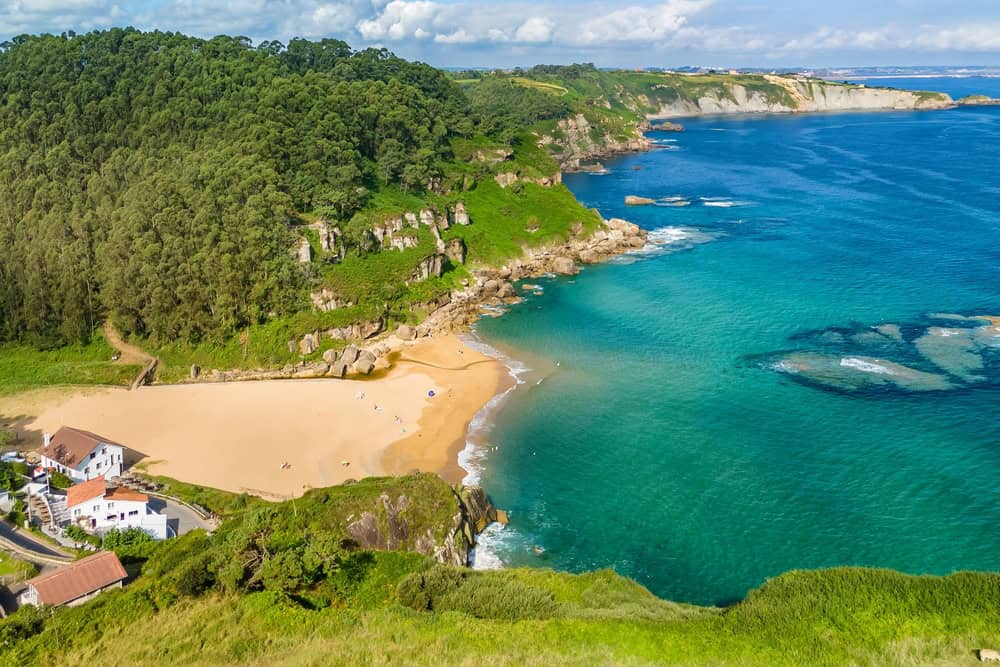
The sheer diversity of landscapes means that Spain is the perfect environment for different animals and plants to thrive.
Native plants and seasonal highlights
Plants are essential to a healthy ecosystem, providing oxygen, food and climate regulation. Spain’s diverse landscapes mean that there are over 9,000 species of plants and trees that call the region home.
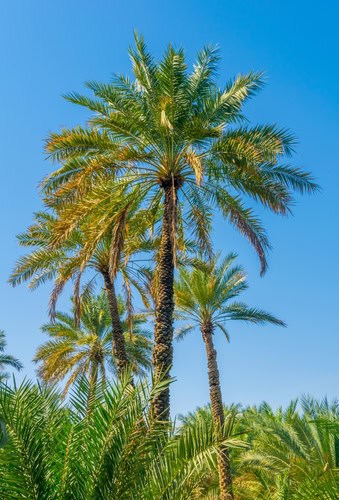
If you head to the coast, expect to see greenery which thrives in high heat and minimal rain, such as Sea Daisies, Aleppo Palms and Lantana. Tenerife holidays will have you encountering iconic species like Tajinaste, a beautiful, vibrant red plant which is an island exclusive, and the Dragon Tree, which can live for hundreds of years.
Iconic wildlife you may encounter
Spotting some native animals in the wild can be one of the highlights of any holiday, and you are spoiled for choice when visiting Spain.
One of the most elusive Spanish residents is the wolf. The highest density of wolves is in the mountains along the Portuguese border, but they are still incredibly hard to spot.
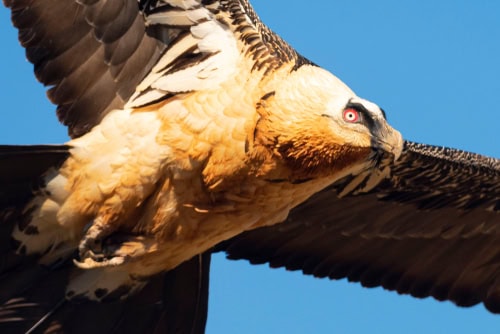
For keen twitchers, seeing a Lammergeier in real life would be amazing. Head to the feeding station at the Garganta de Escuaín for a chance to see this rare vulture.
The coast does not lack in diversity, either. Keep an eye out for seals, dolphins and whales bobbing around in the crystal blue waters. Remember to be respectful and quiet when animal spotting to ensure you don’t startle the creatures or cause an incident.
Conservation, rewilding and responsible travel
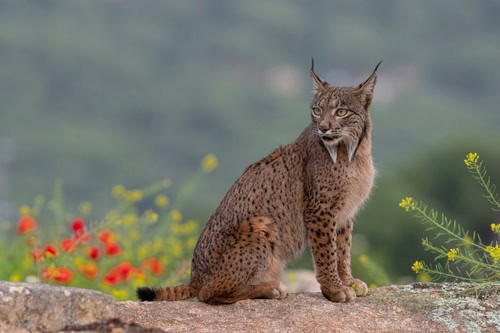
Spain has made a concerted effort in recent years to focus on conservation and ecotourism. Recently, sightings of a rare white Iberian Lynx have given conservationists hope that the incredibly rare animal has started to make its way back from the brink of extinction.
Several areas in Spain have been accredited by the European Charter for Sustainable Tourism, meaning there is a combination of businesses promoting environmental protection with tourism. Visiting continues to ensure these schemes help to protect the area for the future.