
Skincare Trends 2026: Why Doing Less Is the New Luxury

Share

The Skincare Trends Defining 2026: Smarter Ingredients, Slower Routines
Skincare in 2026 isn’t about flawless finishes or 10-step routines, it’s about doing less, but doing it better.
With over 5,000 searches for “best peptide skin products” last month, consumers are clearly becoming more selective and ingredient-aware.
According to Franchesca Villar, Beauty Expert at Cosmetify, this shift has been years in the making.
“Consumers are far more educated now. They’re questioning ingredients, routines and even the purpose of products. Skincare in 2026 is about supporting skin over time, not constantly trying to fix it.”
From ingredient reformulations to slow rituals and simplified routines, these are the trends set to shape the year ahead.
Peptides, but not as you know it
“Peptides remain one of the most talked-about ingredients in skincare, but in 2026 their role is becoming more nuanced. They’re no longer being marketed as an instant firming solution.
“They’re now positioned as part of a broader strategy to support skin structure, resilience and recovery over time.
“Rather than single-ingredient formulas, brands are layering multiple peptides with barrier-supporting ingredients, responding to consumers who want visible results without irritation. People want ingredients that work with their skin, not against it.”
Facial massages as an essential
“Hands on skincare is having a moment, and this time it’s not about expensive tools.
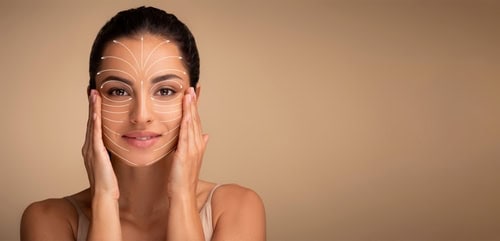
“Facial massages are being reframed as a skill, not a product. Consumers are realising that how you apply skincare matters just as much as what you use.
“There’s a strong emotional component here. These routines slow people down, which aligns with the wider wellness movement.”
Skin cycling evolves into skin listening
“While skin cycling first gained popularity for structuring active use, 2026 sees a softer, more intuitive version take hold.

“Instead of rigid schedules, people are learning to read their skin. They’re adapting routines based on how their skin feels, not what the internet tells them to do that week.
“This trend reflects growing awareness around over-exfoliation and barrier damage, particularly among younger consumers. Less pressure, more awareness, that’s the direction skincare is heading.”
Barrier care becomes the baseline
“We’re seeing a complete shift away from stripping, overly aggressive products. Ceramides, glycerin and soothing ingredients are becoming non-negotiables.
“This approach appeals to consumers dealing with sensitivity, stress-related flare-ups and climate-driven skin changes.
“A healthy barrier allows everything else to work better. Once people experience that, they don’t go back.”
Regenerative treatments
“Consumers are becoming increasingly interested in treatments that support the skin’s natural repair processes rather than forcing rapid change.
“There’s growing curiosity around regenerative approaches, whether that’s bio-stimulating ingredients, skin renewal technologies, or in-clinic treatments designed to encourage collagen and cellular repair.
“What’s important is that these treatments are being viewed as part of a long-term skin strategy, not a shortcut. People want results that build gradually and work with the skin, not against it.”
Fewer products, better formulations
“After an influx of 10-step skincare routines, consumers are downsizing their regimens while upgrading the quality of the products they use.
“Hybrid products that combine hydration, protection and treatment are growing in demand, especially among those seeking simplicity.
“There’s a real move towards efficiency, products that earn their place on the shelf.”

