Why Vitamin D Is So Important — and How to Get Enough Through the Winter Months

Share

As winter rolls in and daylight hours shrink, so does our natural ability to produce one of the body’s most essential nutrients: Vitamin D.
Often called the “sunshine vitamin,” it supports everything from immunity and mood to bone strength and muscle function. Yet across the UK, deficiency is surprisingly common — especially between October and March, when sunlight is too weak for most people to make enough naturally.
Here’s why Vitamin D matters, and how to safely maintain healthy levels even in the darkest months of the year.
Why Vitamin D Matters So Much
Vitamin D plays a vital role in several key processes:
• Immune Health – It helps regulate immune responses and supports your body’s ability to fight infection.
• Mood & Mental Wellbeing – Low Vitamin D levels are linked to fatigue and low mood, particularly in winter.
• Bone Strength – It enables the body to absorb calcium, making it essential for strong bones and teeth.
• Muscle Function – Adequate levels reduce the risk of muscle weakness, aches, and low energy.
With so many systems relying on Vitamin D, maintaining healthy levels isn’t just a wellness trend — it’s essential self-care.

Why We Struggle in Winter
In the UK, from late September to early April, UVB rays are too weak for your skin to create Vitamin D efficiently. Add shorter days, colder temperatures and more time indoors, and it’s easy to see why deficiency rises sharply during winter.
This is why the NHS recommends that most people take a daily Vitamin D supplement during autumn and winter, even if they get outside regularly.
How to Get Enough Vitamin D During Winter
1. Supplements (The Most Reliable Winter Option)
A simple daily Vitamin D supplement is one of the easiest ways to keep levels topped up.
Most people require 10 micrograms (400 IU) per day, though some individuals may benefit from higher doses depending on health needs (always check with a GP or pharmacist).
Look for:
- Vitamin D3 (most effective form)
- Vegan D3 options (from lichen) for plant-based lifestyles
- Paired vitamins like K2 if recommended for absorption
Supplements remain the safest and most consistent winter option.
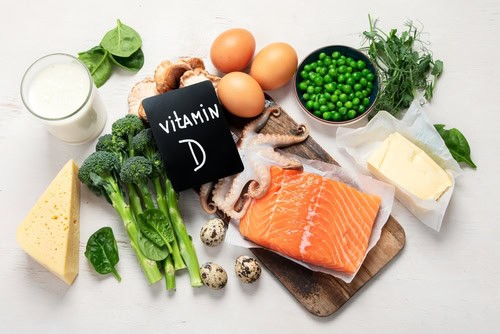
2. Food Sources That Boost Vitamin D Intake
While diet alone can’t usually meet your full requirements, it’s a helpful addition.
Good sources include:
- Oily fish (salmon, mackerel, sardines)
- Fortified foods (plant milks, cereals, yoghurts)
- Egg yolks
- Mushrooms exposed to UV light
Including these regularly can support overall intake.
3. Sunbeds — Can They Help With Vitamin D?
This is a common question during the winter months.
Some research shows that UVB light is required for Vitamin D synthesis, and certain sunbeds may emit small amounts of UVB. However, UV exposure also carries well-known risks, especially when overused or used improperly.

If someone chooses to use sunbeds, safety should always come first:
- Use reputable salons with trained staff
- Opt for modern hybrid or regulated UV equipment
- Stick to recommended usage times
- Avoid overexposure or high-intensity beds
Sunbeds shouldn’t be used as a primary Vitamin D source, but some individuals do find that controlled, moderate use contributes to their overall winter wellbeing — especially when combined with supplements and dietary sources.
For most people, the most effective winter Vitamin D strategy includes:
- A daily supplement
- Regular outdoor daylight exposure where possible
- Diet rich in Vitamin D–supportive foods
- Optional controlled UV exposure only when used responsibly and safely
Together, these habits help maintain energy, immunity, and mood throughout the darker months.
Pumpkin Seed Oil: The Autumn Haircare Trend Everyone’s Talking About