Navigating the Holidays Without Guilt: Embrace Balance, Not Pressure

Share

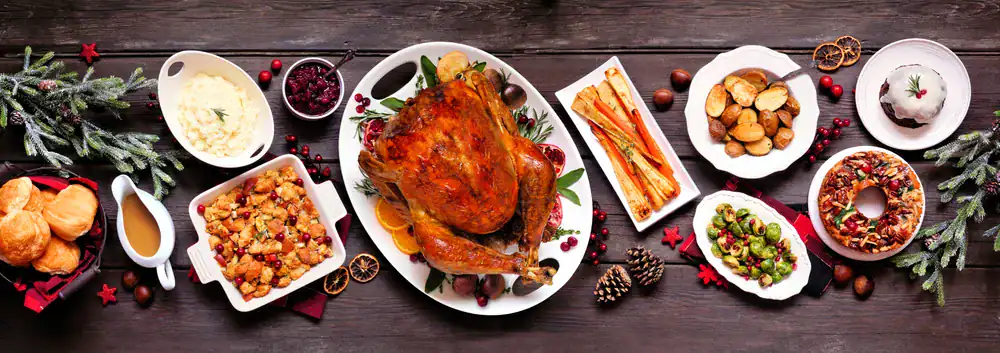
As the holiday season approaches, many women feel a mix of excitement and apprehension. The joy of festive gatherings, indulgent meals, and time with loved ones is often accompanied by worries about breaking healthy routines, overindulging, and the guilt that follows.
Rather than striving for perfection and focusing on how we look, this season—and ideally, every season—should be about how we feel: connected, balanced, and joyful. Let’s leave self-criticism and guilt behind.
Anna Jenkins, founder of women’s health and fitness club, We Are Fit Attitude (WAFA), discusses the dos and don’ts of navigating the holidays without guilt below.
Drop the Labels
Avoid labelling foods or behaviours as “good” or “bad.” We’re also “good” when sticking to strict diets—counting calories and avoiding joy—and “bad” when we slip, indulging in festive celebrations or relaxing with a box of chocolates and a Christmas movie. This black-and-white thinking leads to guilt and a sense of failure. That guilt often prompts us to abandon our healthy habits altogether, and before long, we’re back to square one.
Instead, the goal is consistency—a steady routine that creates a sense of normality. When things don’t go as planned, we need to stop catastrophising and hitting self-destruct. A vital part of this process is learning to release guilt around food choices, as all foods can fit into a balanced diet.
Savour the Moment
Being mindful with each meal allows the body and mind to feel full when it’s meant to be.
Indulging in foods that bring joy isn’t just okay—it’s necessary. Enjoying a treat without guilt helps break the cycle of bingeing and restriction that so often derails progress.
For those fortunate enough to indulge, these moments are simply part of a healthy, balanced life—not the enemy. Come January, life naturally returns to normality, and yes, many of us will jump on the healthy bandwagon.
Find Moments of Movement
The normal fitness routine in December can be a challenge, so just aim for some movement each day, whether it’s a walk, dancing to your favourite tunes, or a quick stretch. Instead of thinking about missed workouts as failures, focus on finding small, fun ways to move that fit naturally into your day.

Hydrate
Aim for 1.5 litres of water a day. Upon waking, start with a glass of water and drink little and often to maintain energy levels.
Plan for Treats
Include indulgent foods in your plans so you can enjoy them guilt-free without feeling like you’ve “failed.” Rather than dipping your hand into the chocolate tin multiple times, take a few pieces at once and aim for that portion only so this doesn’t become a crutch for coping with emotions.
By temporarily removing what’s often the comfort go-to’s — the ultra-processed foods — women can rebuild a healthier relationship with eating. Understanding how these highly palatable foods trigger cravings can help us make more informed, balanced choices.
Balance Indulgence with Nourishment
Be sure to pair festive treats with nutrient-rich foods to help your body feel good.Stepping away from the diet mentality as this isn’t about calorie-counting or denial but reconnecting with real, satisfying food.
Recently, there has been a surge in quick fixes—from weight-loss medications like Ozempic to 12-week NHS programmes featuring meal replacements and low-calorie diets. While these methods may lead to rapid results, they are rarely sustainable. When the diet ends or the medication stops, the weight often returns unless people have the tools and knowledge to maintain their progress.
The solution isn’t another fad or quick fix. It’s about adopting a sustainable, realistic approach to health that embraces balance and moderation.
Enjoy and Prioritise Connection
Shift your focus from the food on the table to the people around you. Nourish yourself with time spent with family and friends.
Prioritise Being Imperfect
Give yourself permission to be imperfect. A skipped workout or a big meal isn’t the end—it’s part of a fun life and it’s the path to long-term success.
True health isn’t an immediate destination—it’s a lifelong journey. By focusing on progress over perfection, we can let go of guilt, eat with joy, and embrace movement for the vitality and strength it brings to our lives.

Breaking free from the cycle of stopping and starting requires unlearning the damaging messages many of us absorbed about food and fitness. For years, we were led to believe in magic solutions for weight loss or that exercise needed to be punishing to be effective.
Find Gratitude
Take moments over the festive period to take stock of the good stuff and appreciate the positive opportunities we can be surrounded by.
This festive season, the greatest gift we can give ourselves is a mindset shift. Be grateful for the abundance we can enjoy—the delicious foods, the warmth of family and friends, and the celebrations that bring us together.
Return to Routine with Ease
There is so much in the world that feels uncertain and challenging, but now we have an opportunity to adopt a different narrative. As the New Year begins, skip the extreme resolutions. Ease back into your normal routine without the pressure of perfection and unrealistic expectations. Whatever has been gained over the festive season will soon balance out with a little focus on normality. True balance doesn’t require a radical resolution or drastic change.
Many women start new fitness routines full of enthusiasm, only to give up when quick results don’t materialise. We see it every January when low-cost gyms are packed with people pursuing the classic “New Year, New Me” resolutions. Yet within weeks, the reality of the effort required to achieve these dream-like transformations sets in, leaving many women feeling defeated as motivation fades.
A different approach is needed—one that replaces the promise of the “perfect toned body” with a more realistic and sustainable journey. Instead of focusing on a six-week transformation, women should understand that fitness is an ongoing process, a journey that delivers long-term rewards. Exercise isn’t about what the scales say. Of course, we all want to feel good in our clothes, but exercise is so much more than that.
It’s about becoming a stronger, more confident version of yourself. It’s about standing tall, feeling empowered, and knowing that each movement is a step toward becoming a healthier, more capable version of your future self. We need to move away from the idea that exercise is simply about burning calories to look good and embrace the notion that it’s an investment in our long-term health and happiness.
ABOUT ANNA JENKINS – From cardio queen to strength warrior
‘Had I known what I know today, I would have started strength training in my 20s and stopped counting the burned calories with every minute I was working up a sweat!’
Anna Jenkins, founder of women’s health and fitness club, We Are Fit Attitude (WAFA) found herself trapped in a perpetual cycle of starting and stopping diets, grappling with an unhealthy relationship with food and her body, all intertwined with low self-esteem and confidence:
‘Growing up, I struggled with my body shape. I was always aware of being chubby and, even though I likely wasn’t, I felt different from my peers, which affected my self-esteem. This led to a perpetual cycle of dieting beginning at 17, when I was trying to be skinnier than my body was ever meant to be. This battle wasn’t just about weight—it was a mental struggle, rooted in how I saw myself and my worth. I always had friends and was popular, yet the negative internal dialogue was something I carried with me all the time (many women experience this).
At school, I hated exercise because it was all about competition and sports. I just didn’t have the interest or motivation to give it a go and was always the kid finding an excuse not to get my PE kit on.’
However, everything changed in Anna’s 20s. She discovered the gym and group exercise, which felt non-competitive and without judgement. She loved how good she felt at the end of a workout, and that has stayed with her to this day. But back then she was using fitness as a tool to ‘burn off’ extra calories—so was very much still caught up in an unhealthy mindset about food, body image and forever trying to be a size smaller than she was naturally.
A significant turning point came when she suffered a slipped disc in her early 30s, which immobilised her for weeks. This period of forced inactivity was not just a physical challenge but a mental one. She promised herself during this time to complete a triathlon once recovered, so what was a very vulnerable time, eventually became empowering when she did actually complete her first triathlon.
‘I remember how proud I felt at this achievement, so for once I wasn’t using exercise to burn calories but to push my body to a new limit. I enjoyed it, including the actual training—a win for my mental health. Inspired by my experiences and the fact I was unhappy in my corporate job,, I decided in my 40s to embark on a journey of transformation, retraining as a personal trainer. Then in 2018 I transitioned to working with groups of women, using my own life experiences to help them foster self-love, strength and confidence through the power of exercise, whilst for some, helping them break free from the constant cycle of yo-yo dieting. ’
Her relationship with her body and exercise has been a journey of discovery, challenge, and ultimately, transformation—not just physically but mentally as well.
Mulled Wine Has Health Benefits – As if We Need Another Reason To Indulge
Experts say this ingredient could be the cure to your festive hangovers this Christmas