Cleaning Wine Stains: 7 Steps to Do It Right

Share
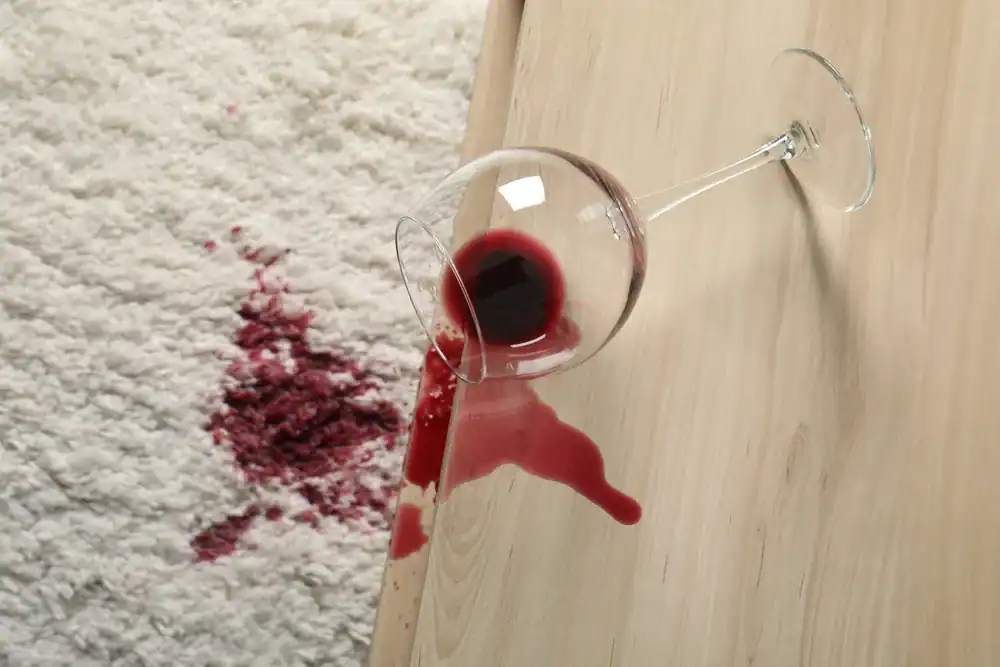
Wine stains are a common issue in offices, especially during events. If not treated quickly, they can damage carpets, upholstery, and surfaces.
Prompt action with the right cleaning methods prevents permanent damage, preserving the professional look of the office and extending the life of furnishings. Effective stain removal also helps maintain a clean and welcoming environment for employees and visitors.
In this article, the London company Think FM commercial cleaners will show you how to remove wine stains from different surfaces while keeping your office looking clean and professional. You’ll learn the best steps for treating fresh and old stains, from choosing the right cleaning methods to protecting your furniture.
- Assess the Type of Surface Affected
Before tackling a wine stain, it’s crucial to assess the type of surface affected. Different materials require different cleaning approaches to effectively remove stains without causing damage. Understanding whether the spill is on carpet, upholstery, or a hard surface will guide you in choosing the appropriate cleaning method.
Identify the Material
When dealing with a wine stain, the type of surface affected plays a crucial role in determining the appropriate cleaning method. Carpets, fabrics, upholstery, and hard surfaces each have unique characteristics that influence how they should be treated.
For carpets, it’s essential to act quickly and use a cleaning solution specifically designed for fabrics. Carpets are porous and can absorb liquids, making it crucial to blot the stain gently and avoid scrubbing, which could push the stain deeper into the fibres.
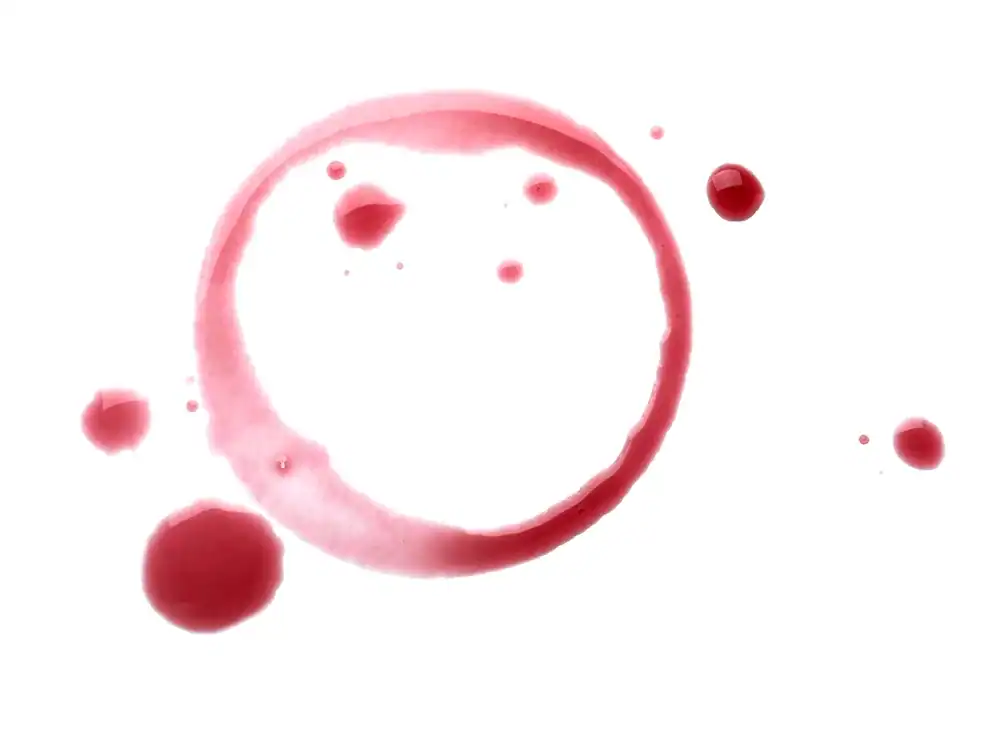
Fabric and upholstery require a more delicate approach. Use a cleaner suitable for the specific type of fabric, and always test any cleaning solution on a hidden area first to avoid discoloration. For delicate materials, a gentle blotting technique is preferred over scrubbing.
On hard surfaces like wood or tile, wine stains can usually be cleaned with a mild detergent or a mixture of vinegar and water. Hard surfaces are less likely to absorb the stain, but it’s important to avoid using harsh chemicals that might damage the finish.
Test a Small Area First
Before applying any cleaning solution to a visible wine stain, it is crucial to test it on a small, inconspicuous area of the material. This step is essential for ensuring that the cleaner does not cause discoloration, damage, or adverse reactions with the surface. By testing first, you can avoid potentially costly mistakes and preserve the integrity of the material.
To conduct a test, apply a small amount of the cleaning solution to a hidden spot, such as underneath a piece of furniture or in a corner of the fabric. Gently blot or rub the area as you would with the stain, then allow it to dry completely. After drying, check for any changes in colour, texture, or finish. If there are no adverse effects, it is generally safe to proceed with treating the visible stain.
- Blot the Stain Immediately
When a wine spill occurs, swift action is crucial to prevent the stain from setting. Blotting the stain as soon as possible helps absorb the liquid and reduces its penetration into the material. Acting quickly can make a significant difference in the effectiveness of stain removal.
Use a Clean Cloth or Paper Towel
When dealing with a wine stain, it’s essential to act quickly and use a clean cloth or paper towel. Begin by gently placing the cloth or towel over the spill to absorb as much of the liquid as possible. The aim is to lift the wine from the surface before it has a chance to penetrate deeper into the fibres of the material. It’s important to use a clean cloth to avoid introducing any additional dirt or contaminants.
Blot the area gently, working from the outside edges of the stain toward the centre. This technique helps prevent the stain from spreading further. Avoid rubbing or scrubbing, as these actions can push the wine deeper into the fabric or carpet, making the stain more difficult to remove. Rubbing also risks damaging the texture of the material.
Apply Gentle Pressure
When dealing with a wine stain, applying gentle pressure is crucial to avoid causing damage to delicate materials. Start by using a clean cloth or paper towel to blot the stain, but be cautious not to press too hard. Applying excessive force can distort the fibres of carpets or fabrics, which may make the stain more embedded and challenging to remove.
Instead, use light, consistent pressure to blot the area, allowing the cloth or towel to absorb the wine without disrupting the material’s texture. This method helps to lift the stain more effectively while maintaining the integrity of the surface.
Blotting should always be done from the outer edge of the stain towards the centre. This technique prevents the wine from spreading further and ensures that the stain remains contained. By focusing on gentle pressure and a methodical approach, you can better manage the stain and increase the likelihood of complete removal.
- Choose the Right Cleaning Solution
Selecting the appropriate cleaning product is crucial for effectively removing wine stains without damaging the affected surfaces. The right product ensures that the stain is treated properly, while minimising potential harm to carpets, upholstery, or hard surfaces. Consider the nature of the stain and the material when choosing a solution.
Use Cold Water or Soda Water for Fresh Stains
When dealing with fresh wine stains, the immediate application of cold water or soda water is highly effective. Cold water works by diluting the wine, which can prevent it from setting into the fabric or carpet. Simply blot the stain gently with a cloth soaked in cold water to absorb as much of the wine as possible.
Soda water, also known as sparkling water, can be particularly useful for fresh stains due to its carbonation. The bubbles in soda water help lift the wine from the fibres of the material, making it easier to blot out the stain. Pour a small amount of soda water onto the stain, allowing the carbonation to work on breaking up the wine, then blot the area with a clean cloth.
Apply a Specialised Cleaning Solution for Older Stains
When dealing with wine stains that have set in or aged, a more robust approach is necessary. For these stubborn stains, using a specialised cleaning solution specifically designed for wine stains is essential. These products are formulated to tackle the complexities of organic stains like wine, which are often more challenging to remove than other types.
Enzyme-based cleaners are particularly effective for organic stains. These cleaners work by breaking down the proteins and other compounds found in wine, making it easier to lift the stain from the material. When applying an enzyme-based cleaner, follow the manufacturer’s instructions carefully to ensure optimal results. Typically, you’ll need to apply the cleaner to the affected area and let it sit for a specified period to allow the enzymes to work on breaking down the stain.
It’s crucial to choose a cleaning solution suitable for the specific material being treated. For instance, a product meant for carpets may not be appropriate for upholstery or hard surfaces. Always check the label to confirm that the cleaner is safe for use on the material to avoid causing any damage.
After applying the cleaner, gently blot the area with a clean cloth to lift the stain. Rinse thoroughly with cold water to remove any residual cleaner, and repeat the process if necessary until the stain is fully removed.
- Blot and Rinse the Stain Again
Once you’ve applied the cleaning solution, it’s essential to follow up with additional blotting and rinsing to fully address the stain. This step ensures that the cleaning product has effectively lifted the wine and that no residue remains, which could attract dirt or cause further staining.
Reapply the Cleaning Solution as Needed
After applying the cleaning solution, it’s crucial to monitor the stain’s response and adjust your approach as necessary. Start by gently blotting the area with a clean cloth or paper towel to lift as much of the wine as possible. If the stain remains, reapply the cleaning solution to the affected area. Be cautious not to overuse the solution, as excessive application can lead to oversaturation, which may damage the material or make the stain more difficult to remove.
Allow the cleaning solution to sit for a few minutes to break down the wine stains further, then continue blotting to lift the stain. This process may need to be repeated several times, especially for stubborn or older stains. Patience is key during this step; ensure you’re not rushing the process as thorough blotting will yield better results. It’s essential to frequently check the cloth or towel to monitor the progress and ensure that the stain is gradually being removed. Avoid scrubbing or rubbing, as this can push the stain deeper into the fibres and exacerbate the issue.
Rinse with Cold Water
Once you’ve treated the wine stain and blotted it thoroughly, the next crucial step is to rinse the area with cold water. This process is vital for removing any remaining cleaning solution that could leave residue behind. Residual cleaning agents can attract dirt and potentially cause further staining or damage to the material. By rinsing the area, you ensure that the cleaning solution is completely washed away, leaving the surface clean and fresh.
For fabrics and carpets, it’s especially important to rinse thoroughly. Any leftover cleaning solution can affect the texture and appearance of the material, making it look dull or feel sticky. Use a clean cloth or sponge dampened with cold water to gently rinse the stained area. Work from the outside edge of the stain toward the centre to avoid spreading it further.
After rinsing, it’s important to absorb as much moisture as possible with a dry towel or cloth. This helps to prevent any potential mould or mildew growth, which can occur if the area remains damp. Ensure that the rinsing process is done thoroughly to maintain the integrity and appearance of the material.
- Dry the Area Properly
Proper drying is essential after treating a wine stain to prevent further issues such as mildew or lingering odours. Effective drying helps maintain the material’s appearance and integrity. After rinsing, it’s crucial to ensure the area is thoroughly dried to keep your space looking its best and avoid potential damage.
Use a Dry Towel or Cloth to Absorb Moisture
After rinsing the area, promptly use a clean, dry towel or cloth to absorb the remaining moisture. Blot the surface gently to remove as much water as possible without rubbing, which can damage the fibres or spread the stain. This step is crucial in preventing mould and mildew growth, which can develop if moisture is left in the fabric or carpet.
Ensuring that the area is dried effectively helps maintain the material’s integrity and appearance. Excess moisture can lead to watermarks and long-term damage, so it’s essential to use a dry towel to absorb and remove any residual water. This method also aids in keeping the office environment clean and free from potential damp-related issues.
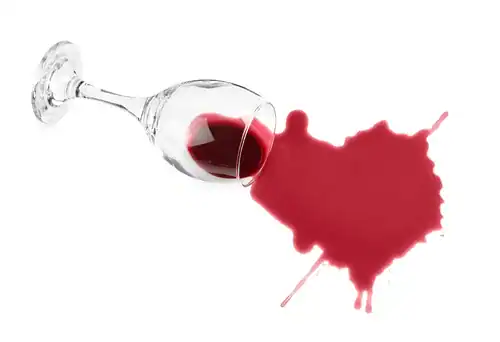
Allow the Surface to Air Dry
Once you have absorbed the excess moisture, allow the surface to air dry naturally. Proper ventilation is key to speeding up the drying process. Open windows and use fans to enhance airflow, which helps the surface dry more quickly and evenly. A4
void using heat sources such as hairdryers, as they can cause shrinkage or discoloration, particularly on delicate fabrics and carpets. Heat can also set any residual stain, making it more difficult to remove.
Air drying is the safest method for preserving the material’s condition and ensuring that no further damage occurs. This approach ensures that the area remains in good shape and is ready for use without compromising its quality.
- Treat Any Lingering Odours
Even after successfully removing a wine stain, it’s important to address any residual odours. Wine stains can leave unpleasant smells that linger, affecting the overall freshness of the space. Properly treating these odours ensures that the area not only looks clean but also smells inviting and professional.
Apply a Mild Odour Neutraliser
After dealing with a wine stain, it’s crucial to tackle any lingering odours that may remain. Applying a mild odour neutraliser can effectively freshen up the area and eliminate unpleasant smells. Opt for products specifically designed for upholstery or carpets, as these are formulated to neutralise odours without causing harm to the material.
Choose an odour neutraliser that targets organic smells, like those caused by wine, rather than simply masking the scent. These products work by breaking down the molecules responsible for the odour, providing a more lasting solution. When applying the neutraliser, follow the manufacturer’s instructions carefully to ensure optimal results. Typically, this involves spraying the product evenly over the affected area and allowing it to sit for a specified period before blotting or vacuuming.
Ensure Proper Ventilation
After cleaning a wine stain and addressing any lingering odours, ensuring proper ventilation in the office is essential for maintaining a fresh and pleasant environment. Proper ventilation helps to effectively remove residual odours and prevents the buildup of musty smells, which can occur if the area remains damp or enclosed.
Encourage clients to open windows and doors to facilitate the flow of fresh air through the space. This natural airflow helps to carry away any remaining odours and accelerates the drying process, reducing the risk of mildew or unpleasant smells setting in. For offices without sufficient natural ventilation, suggest using fans or air purifiers to enhance air circulation. Fans can be strategically placed near the cleaned area to help speed up drying and ventilation.
- Prevent Future Stains
To avoid the hassle of wine stain removal in the future, proactive measures can significantly reduce the likelihood of stains setting in. Implementing preventive strategies can help maintain the appearance of office carpets and upholstery, ensuring a cleaner and more professional environment over time.
Apply a Stain Repellent Treatment
To safeguard your carpets and upholstery against future wine stains, applying a stain repellent treatment is an effective strategy. Stain repellents work by creating a protective barrier on the surface of the material, which helps to prevent liquids from penetrating deeply. This layer of protection significantly reduces the risk of stains setting in, making it easier to clean spills before they cause permanent damage.
When choosing a stain repellent, opt for products specifically designed for the type of fabric or carpet you are treating. Many modern stain repellents use advanced technology to repel liquids while still allowing the material to breathe, preserving its appearance and durability. Apply the repellent according to the manufacturer’s instructions, ensuring even coverage across the entire surface.
For best results, it is advisable to reapply the stain repellent periodically, as its effectiveness can diminish over time with regular use and cleaning. Additionally, maintaining this protective layer can extend the life of your furnishings and keep them looking new, even in high-traffic areas or after events where spills are more likely.
Educate Employees on Quick Action
Educating employees on how to handle wine spills promptly can significantly minimise damage and keep your office looking its best. When a spill occurs, it’s crucial for staff to act swiftly and correctly to prevent stains from setting in. Start by providing clear, simple instructions on the initial steps to take.
Advise employees to immediately blot the stain with a clean cloth or paper towel. Emphasise the importance of blotting rather than rubbing, as this prevents the wine from spreading or embedding deeper into the material. Instruct them to gently dab from the outer edges of the stain towards the centre to avoid spreading it further.
Provide guidance on using basic cleaning products, such as cold water or soda water for fresh stains. Ensure that employees understand the need to test any cleaning solution on a hidden area before applying it broadly. This precaution helps avoid potential damage or discoloration of the material.
Conclusion
In conclusion, quick action and proper techniques are key to removing wine stains and keeping a professional office appearance. A professional office cleaning company has the skills and tools to handle all stains, including wine, ensuring a clean workspace. Investing in regular maintenance and stain prevention helps preserve the office environment and maintain a welcoming atmosphere for everyone.