5 MUST-DO hacks to save on energy bills this winter

Share

The cold weather has officially arrived in the UK with parts of the country seeing snow in recent days.
With the temperature dropping and people feeling the cold now more than ever, Bionic has pulled together a handy checklist to make your home cosy and cut your energy bills by up to £1K a year.
Five MUST-DO tasks to make your home cosy and cut your energy bills
- Check boilers and radiators
Checking your radiators and boiler to ensure they’re running efficiently and safely is crucial. The energy efficiency of an old boiler can be as low as 60%, in which case 40% of the energy you pay for is going to waste.
Maintaining or upgrading your heating systems helps to prevent any unexpected breakdowns, reduces energy consumption, and can save you from costly repairs. You can check/maintain your heating system by:
- Bleeding your radiators to release trapped air, ensuring even heating
- Inspecting for leaks radiators and pipes for leaks
- Testing your thermostats to confirm they’re accurately controlling your home’s temperature
Scheduling a professional boiler service for a thorough inspection and maintenance
These simple steps will help keep your heating system efficient and reliable all winter long. Equally, if you’re looking to completely upgrade your boiler, a new A-rated combi boiler could save you up to 40% on your energy bills – equating to an around £340 saving.
- Insulate walls, floorboards and lofts
Insulation improves energy efficiency by conserving heat. Key areas to insulate include walls, under the floorboards, and lofts. Topping up loft insulation, ideally to 270mm, can prevent up to 25% of heat from escaping through your roof, further cutting energy costs. Completely insulating your home—including the walls, underfloor and loft can reduce annual energy bills by up to £700.
- Inspect and seal gaps
Sealing drafts in your home enhances energy efficiency and saves money on heating bills by closing the gap where warm air escapes. This helps maintain a consistent temperature and reduces the strain on your heating system. You can draught-proof your home by:
- Hanging thermal curtains and blinds and laying a rug, to give an extra layer of insulation, keeping the heat in and the cold out. Research found thermal curtains could reduce heat loss through windows by up to 27% and save an average home up to £290 a year.
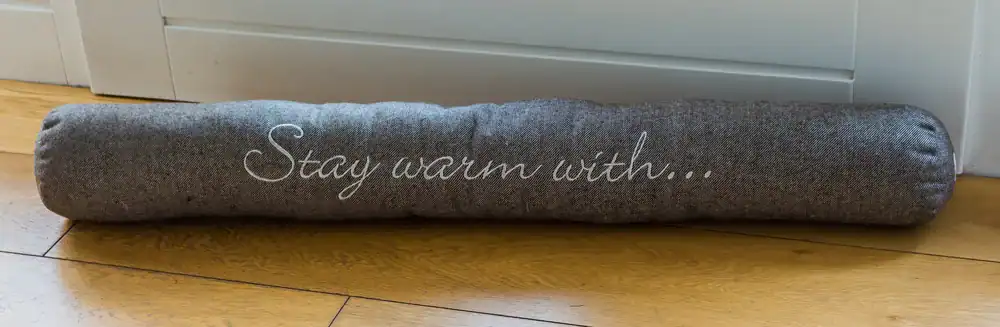
- Use fabric draught excluders for the gaps under doors around the house, preventing cold air entering, and heat leaving areas you’re using.
- Seal any gaps between floors and skirting boards using a tube of sealant which can be bought from a DIY store.

- Avoid obstructing heat sources
When furniture blocks heat sources like radiators, it reduces airflow and forces your heating system to work harder, leading to higher energy bills.
To maximise efficiency, furniture should be moved to allow heat to flow freely from radiators, fires, and heaters. Simple changes, such as replacing a sofa with an armchair in front of these sources, can significantly improve airflow.
- Utilise natural light
As days lengthen, making the most of natural daylight can help warm your home and reduce energy costs. Opening blinds and curtains during the day will let sunlight in, naturally heating the space.
Positioning seating near north-facing windows will help to capture the most sunlight, creating a cosy, well-lit area. Additionally, hanging mirrors opposite windows will reflect and distribute sunlight, increasing brightness and warmth throughout the room.
Interior trends expert reveals how to blend classic festive colours in your interiors
Perfect and Practical Interiors For Homes With Furry Friends