Why Your Freezer Is the Ultimate Healthy Eating Hack, Says Dietitian

Share

Your Freezer Is the Ultimate Life Hack for Healthy Eating – Here’s Why
If your idea of healthy eating involves only fresh produce and from-scratch meals, it might be time to rethink what’s in your freezer.
With food prices high and schedules packed, healthy eating can sometimes feel unrealistic and many still have concerns about the nutritional quality and freshness of frozen foods. But registered dietitian Melissa Jaeger, RD, LD and Head of Nutrition at MyFitnessPal is championing them, and sharing that our freezers are one of the most underrated tools for supporting nutrition goals, protein intake, and weight management.
“Let’s bust the myth that frozen foods can’t be nutritious! From frozen vegetables in stir-fries to frozen fruit in smoothies, frozen proteins, and even complete meals—these foods offer serious convenience and can absolutely be part of a balanced, nutrient-rich diet.”
5 ways frozen foods can support a healthy lifestyle
1. Frozen produce can be just as nutritious as fresh
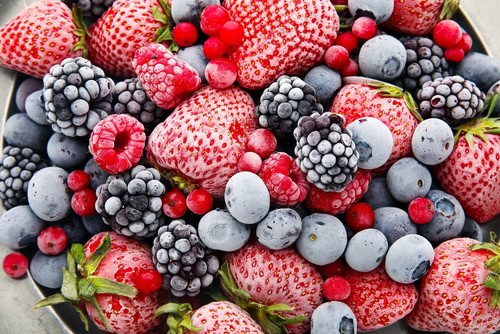
“Frozen fruits and vegetables are one of my favourite ways to enjoy seasonal produce all year long. They’re quickly frozen after harvest, which locks in key nutrients and reduces the risk of spoiling, unlike fresh produce that can sit in your fridge for days and may end up in the bin.” Jaeger explains.
“They’re also pre-washed and often pre-chopped, eliminating extra prep work. Meaning less time in the kitchen, less money wasted, and more nutrients on your plate.”
Frozen produce is a reliable option for those trying to boost fibre intake, eat more plants, or simply avoid throwing away wilted greens at the end of the week. This Frozen Food Month think:
· Spinach tossed into pasta sauce
· Veggie blends for stir-fries
· Berries in smoothies or oats
2. Frozen protein makes hitting macros easier
“Individually packaged frozen proteins like chicken breasts or fish fillets are absolute game-changers, whether you’re cooking for one or feeding a family. No more overbuying, and no more waste. You can thaw exactly what you need, on your schedule, while still hitting your daily protein goals. Track them in MyFitnessPal to see how frozen proteins help you reach your goals.”
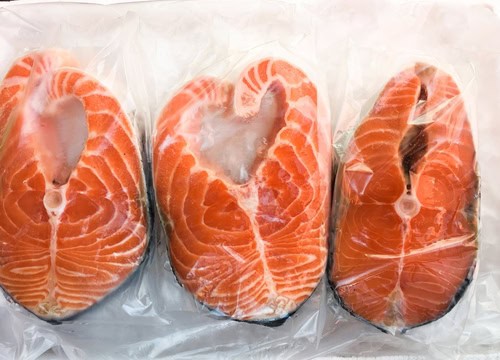
This can be especially helpful if you cook for one, meal prep, or find yourself ordering takeout when fresh protein goes bad before you cook it. “We’ve all been there—you buy fresh chicken or fish with the best intentions, then life happens and it spoils before you cook it.”
3. The myth that frozen food is ‘unhealthy’
Frozen staples – like plain fruits, vegetables, grains, and proteins – are nutrient dense meal ingredients. Freezing plain produce, grains and proteins is simply a preservation method that helps food last longer.
“The key is being savvy with your selections—choose plain frozen vegetables over pre-sauced versions, skip fruit packed in syrup, and read labels for sodium, fat and added sugars.”
4. How to choose healthier frozen foods
However, not all frozen foods are nutritional standouts. The key is label awareness. “It’s not about avoiding frozen foods – it’s about being mindful with your selections,” Jaeger says. “Read the nutrition facts labels and watch out for high sodium, added sugars, and saturated fat.”
Melissa’s go-to freezer swaps are:
· Choose plain frozen vegetables over pre-sauced versions
· Skip fruit packed in syrup or added sugar and choose plain
· Select frozen meals with protein and fibre that are lower in sodium and saturated fat
· Swap breaded or pre-seasoned proteins for plain options
“You’ll get better flavour when you season to taste and have more control over the nutrition of the final dish,” she adds.
5. Fresh vs. frozen isn’t the right debate
Rather than choosing one over the other, Jaeger recommends using both strategically. “Don’t think of it as fresh versus frozen – combine them,” she says. “Mixing both is a great strategy for getting balanced, nutrient-dense meals on the table without spending hours in the kitchen.” Simple combinations can make meals faster and more nutritious:
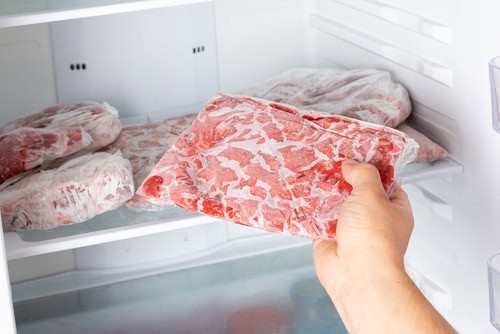
· Frozen protein and fresh salad
· Frozen berries and yogurt or porridge oats
· Frozen veggies added to grain bowls or pasta
“It’s about making life easier, while still eating well.”
Healthy eating doesn’t have to mean cooking everything from scratch or buying only fresh ingredients. Sometimes, the most realistic approach is also the most effective. And if frozen foods help you eat more produce, hit your protein goals, and waste less food, then that’s a win.
As Jaeger puts it, “when you track frozen foods in MyFitnessPal, you’ll see how these budget-friendly, convenient options are actually nutrient powerhouses that support your health goals while helping you reduce food waste and save prep time in the kitchen.”