Study Explores the Impact of the GSR Technique on Human Electrophysiological Responses

Share

A growing interest in methods for managing internal emotional states has drawn attention to an emerging approach known as the GSR technique. Developed by Russian researcher Dmitry Ustinov, the system offers a unique pathway for emotional self-regulation that is now beginning to attract scientific interest. Initially created as a personal method, the system has since expanded into a structured training program, practiced by a growing global community and currently undergoing early academic studies.
What differentiates the system is its direct focus on identifying and addressing the underlying causes of emotional and physiological imbalances. Rather than managing symptoms at the surface level, this technique aims to eliminate the core of the issue, with changes often reported immediately and without relapse.
From Personal Practice to Structured Training
Ustinov originally designed the system for his own use, as a way to manage internal states more effectively. Over time, the method demonstrated consistent results and was adopted by others seeking similar outcomes. This organic interest led to the development of formal training modules and a certification process for practitioners. Today, the system is practiced by hundreds of people, ranging from individual users to professionals in mental health and coaching.
As the community has grown, so too has the need for formal evaluation. What began as a personal tool is now being incorporated into therapeutic sessions, workshops, and academic pilot projects designed to assess its scientific validity.
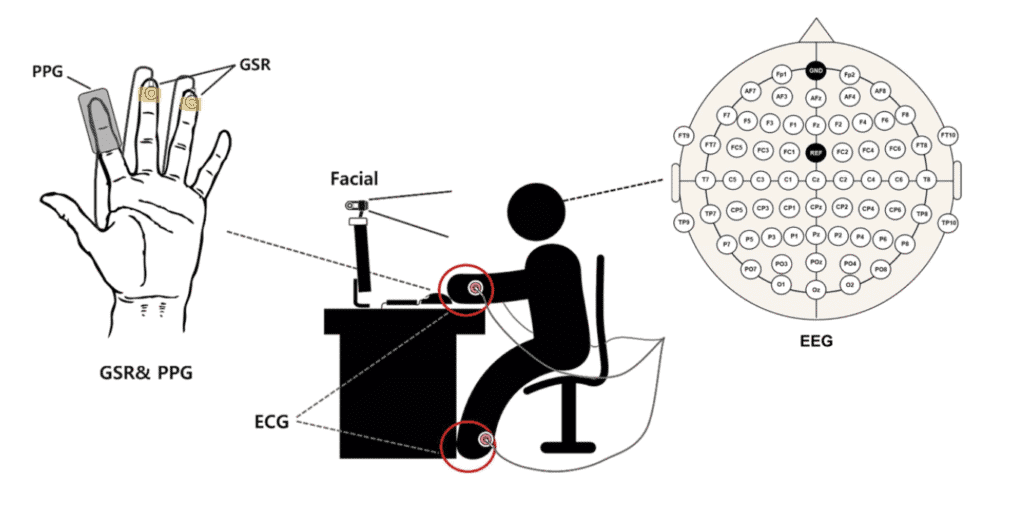
Scientific Investigation into Physiological Effects
Researchers have recently turned their attention to the system’s impact on measurable physiological responses. Specifically, early studies are examining its influence on key electrophysiological markers, including heart rate variability, galvanic skin response, and brainwave patterns. These indicators are widely recognized as reflecting the body’s stress levels and nervous system balance.
Preliminary results have been promising. In many cases, practitioners of the system exhibit immediate shifts in physiological responses associated with reduced stress and increased emotional regulation. These changes can occur within minutes, supporting the system’s claims of fast-acting results. Importantly, these changes appear to be stable over time, suggesting a long-term benefit rather than a temporary fix.
Researchers studying these outcomes suggest that the system may act as a form of nervous system recalibration, allowing the body to exit a reactive state and return to balance more efficiently. This kind of rapid adjustment is unusual in traditional psychological or behavioral interventions, which often require weeks or months to produce measurable results.
Addressing Root Causes, Not Just Symptoms
Central to the system’s approach is the idea of resolving issues at their source. Unlike conventional therapeutic techniques that may focus on managing recurring symptoms, this method aims to eliminate the emotional charge at the root of a given problem. Practitioners frequently report that once a specific emotional trigger is processed through the system, it does not return.
This characteristic of permanence is a major point of interest for both users and researchers. It offers a potential solution for individuals dealing with chronic stress, anxiety, or recurring emotional patterns, who often require ongoing treatment to maintain progress. By offering a technique that targets core issues directly, the system may represent a shift in how internal emotional challenges are addressed.
A Growing Body of Research
Although still in the early stages of formal research, the system is participating in pilot studies at academic institutions. These projects are designed to establish a clearer understanding of its physiological mechanisms and overall effectiveness. Initial data suggests that the system’s approach to internal state regulation may hold significant potential for broader application in wellness and clinical settings.
If current trends continue, it is likely that more research institutions and mental health professionals will begin to explore the system as a complementary method alongside traditional therapies. The goal of future studies will be to validate its claims through larger sample sizes and more rigorous testing methods.
Looking Ahead
Although still in the early stages of formal research, the system is being investigated in pilot studies at academic institutions. These projects are designed to establish a clearer understanding of its physiological mechanisms and overall effectiveness. Initial data suggests that the system’s approach to internal state regulation may hold significant potential for broader application in wellness and clinical settings.
If current trends continue, it is likely that more research institutions and mental health professionals will begin to explore the system as a complementary method alongside traditional therapies. The goal of future studies will be to validate its claims through larger sample sizes and more rigorous testing methods.