Farm Machinery Buying Mistakes That Increase Ownership Costs

Share

Most machinery mistakes don’t show up on the invoice. They show up two seasons later in repair bills, lost days and weak resale. The ticket price is only the first part of what a machine will cost.
Paying attention to sticker price and missing lifetime cost
A low ticket price can hide high ownership cost. Depreciation and finance charges keep running after the deal is signed, while fuel and maintenance add more each season. Insurance and transport add more still.
Careful buyers price the whole job from delivery to resale. They ask for a full delivered quote that covers setup and attachments. A machine that looks cheap in the yard can prove costly once interest, service rates, parts freight and lost field time are added across five or six seasons.

That math hurts fast. A small gap in purchase price means little if one machine burns more fuel per hour and waits longer for parts. Cost per hour is the number that counts. It pulls together fixed costs and variable costs into a single figure that can be compared across models and across seasons.
Uncertainty belongs in the comparison too. Fuel prices and service rates move, as do residual values. Buyers who test a best case and a tough case get a clearer view than buyers who trust a single brochure figure. If the numbers only work when everything goes right, the machine is too costly.
Getting the size wrong for the job
Oversized machines cost more to buy and run. Insurance and tires cost more, and fuel burn is higher even on light work. A big tractor that spends its life at half load still has to be serviced like a big tractor.
Undersized machines fail in a different way. The engine runs hot and the transmission stays under strain. Clutches wear fast. Breakdowns come sooner and they tend to happen at the worst time. Constant overload shortens life across pumps and axles.
The fix is dull but it works. Match expected workload and implements to the maker’s approved specs, including rated power and hydraulic flow. Check lift capacity and drawbar limits. Don’t guess.
Size errors are hard to undo.
A machine that is too large can’t be shrunk, and one that is too small can’t be made strong. Trade costs and tax effects then eat into cash that could have gone to seed or fertilizer. Sizing deserves time before money changes hands.
Taking used hours at face value
Hours tell part of the story. They don’t tell how those hours were earned. Two machines with the same hours can have very different wear, so service records and operating history help fill in the gaps.
Look for full records with dates and parts used, paying attention to gaps in servicing. Signs of hard use, such as cracked guards or worn linkage, deserve a closer look too. Ask where the machine worked and what it pulled. Red dust and heavy ground leave marks that light work does not.
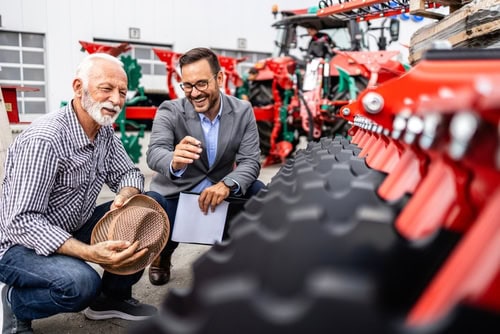
Don’t assume clean paint means sound internals. Dust gets into seals and electrics, while heat ages hoses and belts. Sandy soils wear soil-engaging parts faster than loam. A machine from a harsh area may need closer checks even when hours look low.
Different operators have different habits. Some are smooth on gears and hydraulics; others are rough. History matters more than claims. A qualified inspection in a safe and controlled area is the right way to assess condition. It should cover cold start behavior and warm running, along with steering play and brake response. Checks for leaks under load should follow the maker’s approved procedures.
Maintenance schedules tell a lot as well. A machine with planned servicing tends to have fewer surprises, while one with missed services tends to hide wear. Buyers who skip this step often pay for it twice, once in repairs and once in downtime.
Buying without local backup for parts and service
Distance changes ownership cost. A dealer an hour away is not the same as a dealer a day away. Proximity and stock levels decide how fast a machine gets back to work. Service skill decides whether the fix holds.
Downtime during seeding or harvest costs more than the repair bill. Crops don’t wait. Weather windows close and contractors get booked out. A $500 part can cause far larger losses when a machine sits idle for a week.
Thin support makes that wait more likely. Parts may have to be ordered in and a technician may have to travel far. Freight charges rise as field time falls. Any saving on ticket price can vanish in one bad breakdown.
That is why it pays to find the right farm machinery western australia supplier who can keep your machine working through the critical season. Ask what parts are held locally for the exact model and how many trained technicians cover the area. Ask about response times during peak periods. Clear answers here are worth more than vague promises.
Glossing over warranty and parts choices
Warranty terms deserve a close read. Duration matters, but exclusions matter more. Buyers need to know whether parts, labor, travel and consumables are covered. Travel time alone can turn a small claim into a large bill when farms sit far from town.
Useful questions include how claims are handled and who does the work. Whether loan machines are an option during major repairs also matters. Warranty terms may exclude missed services or unapproved changes. Written answers give buyers something to refer to before signing.

Parts choices shape future costs too. Maker-approved parts are built to the maker’s standards and keep warranty intact. Aftermarket parts vary in fit and life. Some are fine, while others wear faster or cause installation issues. The cheapest part is not cheap if it fails early or hurts resale.
Follow the maker’s guidance on filters and fluids. Keep receipts and part numbers together. A clean file of genuine service history helps at trade time. It also helps when a warranty question comes up. Buyers trust paper more than memory.
Planned service beats panic repairs. Full delivered price comparisons should count scheduled work, not just fuel. Belts and bearings are cheaper to replace on time than after failure, and hoses are cheaper before they burst. A maintenance plan tied to hours and seasons keeps small jobs from turning into field failures.
Forgetting resale, finance and replacement timing
Depreciation patterns vary. Some models hold value well in a given area, while others drop fast when demand shifts or a new series lands. Brand popularity and model reputation play a part. So does local demand for size and power. Service history matters too.
Buyers who ignore resale pay twice. They pay full price on entry and take a weak price on exit. Used listings and auction results can show which machines move fast and which sit. Dealer discussions can help explain what trades well, including the age and hours that still attract bids.
Finance shapes the end cost just as much. Interest rates and loan duration change total cash paid. Balloon payments change monthly flow and end risk, while tax treatment changes net position. Dealer finance deals need the same care as bank deals. A term sheet sets out details that affect the total cost. Buyers who overlook these details often miss the real price.
General factors are enough to guide questions about the term, fixed rate and applicable fees. End-of-term obligations matter too, as does the effect of an income dip in a dry year. A qualified adviser can explain how different structures affect cash flow. Time pressure in the yard leaves less room to consider those details.
Replacement timing sits beside finance. Repair needs tend to rise as hours climb. Older machines need more labor to keep going and can break at bad moments. Holding on too long can lift cost per hour above the cost of a newer unit.
There is no single hour mark that fits all farms. Use and care differ, as do soil and climate. Service records and failure trends help frame the replacement question for that machine. For occasional seasonal work, hiring or a short-term lease can lower cost per hour. Buying outright is not always the best use of capital.
Skipping the demo and ignoring the operator
Rated figures rarely show how a machine acts in real ground. Stony patches and soft spots change traction and ride. High dust loads clog filters and test cooling. Heat tests cabs and hoses. A demo in local conditions answers questions that specs can’t.
Book a demo run by trained staff in a safe and controlled area. Use implements close to farm size and type. Watch how the machine holds speed on slopes and turns on headlands. Listen for strain under load. Check visibility to the front and rear, along with hitch ease and hydraulic response.
Don’t treat a quick lap as proof. Ask for enough time to warm the machine fully and test settings that match farm practice. Take notes on fuel use and comfort. Small niggles in a short drive tend to grow over long days.
Operator comfort is tied to cost. A good seat and clear layout cut fatigue, while good visibility speeds up hookups and headland turns. Low noise helps focus. Poor comfort does the reverse. Tired drivers go slower and make more errors.
Labor is a large share of cost per hectare. A machine that lets a driver cover ground with fewer stops can beat a cheaper rival. Cab suspension and control placement matter over ten-hour days. Air sealing matters in dust. Buyers who test comfort with care often save more in labor and timeliness than they save on steel.
Cheap machines get costly when they sit, break, drink fuel or wear drivers out. Cost-aware buying looks past the yard price and weighs service backup and real work rates. It checks history and reads warranty terms, with finance and resale considered carefully too. Machines earn their keep in field time, not in brochures, and buying choices should protect that time.