
When Should You Consider a Tummy Tuck Consultation?

Share
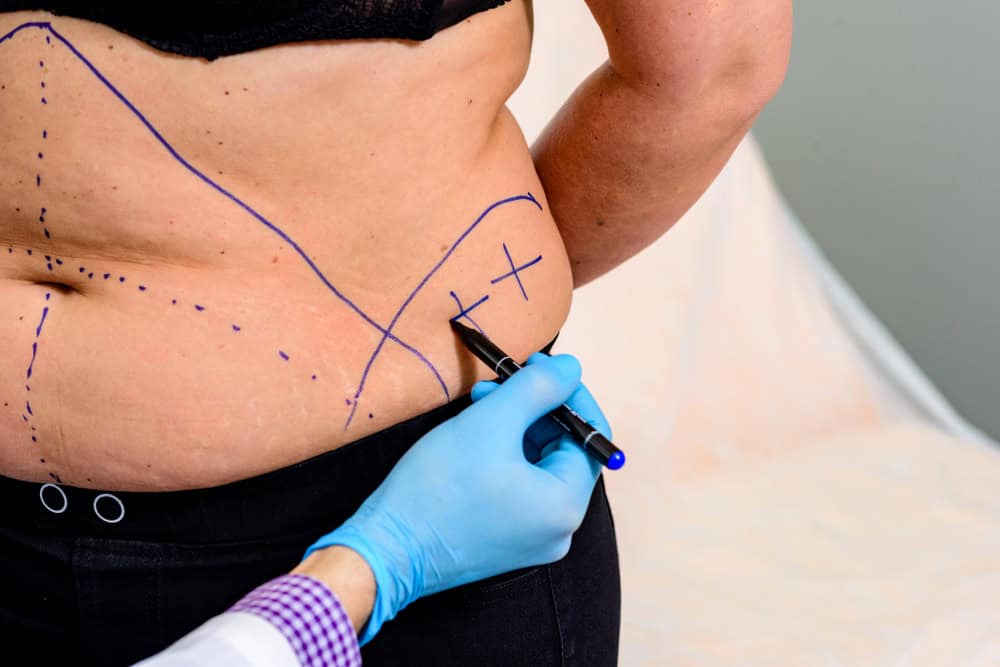
Is It Time to Consider a Tummy Tuck Consultation? What You Need to Know
A tummy tuck consultation helps you understand whether surgery fits your body and your life, including when it may be unsuitable. Knowing what surgeons assess can help you arrive prepared and leave with clear next steps.
A consultation is information, not a promise
Some people put off booking because they think a consultation commits them to surgery. It carries no such obligation. A good appointment helps you consider your options.

A surgeon will assess skin quality and muscle tone, then discuss pregnancies, weight changes, general health and previous operations. They should explain risks, scar patterns, healing time and follow-up visits. They should also say if you are not currently a candidate and what would need to change. There is no need to prove you can tolerate surgery or recovery. The aim is clear advice to take home.
You do not need to feel ready for surgery to ask about it.
Bring questions, a rough timeline of weight changes and pregnancies, and photos of results you like or dislike. These help the surgeon assess whether your expectations match what skin removal and muscle tightening can achieve. If they do not, it is better to hear that early. You can take weeks or months to decide.
Skin and fat need different answers
Loose skin and abdominal fat can be difficult to distinguish without an examination. They are different tissues, so treating one will not necessarily address the other.
Fat lies beneath the skin. Weight changes can affect abdominal fullness, but exercise cannot remove excess skin. Some people have both, making before-and-after comparisons an unreliable way to choose a procedure.
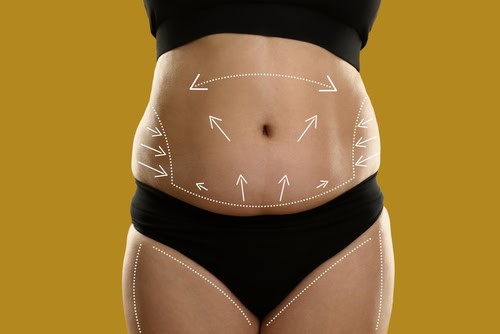
Skin can change after pregnancy or significant weight loss, and how much it retracts varies. If folds remain, a consultation can establish whether excess skin is the main concern and explain the trade-offs of removing it.
Abdominoplasty removes excess skin and reshapes the remaining tissue. It is not appropriate for everyone with folds or stretch marks. A surgeon should explain what it could change, what would remain unchanged and whether the likely improvement justifies a permanent scar and recovery period. Keeping things as they are is also reasonable.
It is not a weight-loss treatment. NHS guidance describes removing excess skin, rather than replacing steady habits. Clinics assess BMI, health history and whether weight has remained stable. If weight is still changing, most surgeons will recommend waiting until it settles. Folds can also trap sweat and become damp or sore, so comfort often matters alongside appearance.
After pregnancy, the middle can feel different
Pregnancy stretches more than skin. The paired abdominal muscles can separate along the midline, leaving a gap you notice when sitting up or carrying children. This is called diastasis recti. It is common after birth and can occur alongside loose skin around the navel and lower abdomen.
A GP or women’s health physiotherapist can assess the gap and discuss suitable movement plans. Many new mothers find abdominal control improves with time and guided exercise. Others remain fit and active but still have loose skin or a wide gap. Neither experience represents failure. Training and eating well do not necessarily resolve a fold over the waistband.
A surgical assessment may help at that point. A surgeon can examine the separation and overlying skin. If you notice doming along the midline or a concerning soft dip, discuss it with your GP and surgeon so both assessments inform your choice. Surgery can tighten the supporting muscle layer as well as remove skin. Results vary, and strength or comfort gains cannot be promised. The consultation should explain whether muscle repair would be useful or whether excess skin is the main concern.
After large weight loss, comfort matters too
Losing substantial weight and maintaining that change takes effort. An apron of skin may remain around the lower abdomen after fat has reduced.
This fold can rub against clothing, trap sweat and make jeans or exercise uncomfortable. For some, appearance is the main concern, and that still matters. Others experience soreness and need daily skin care. See your GP about recurring soreness or splits. These symptoms do not automatically mean surgery is needed; your skin needs care while you consider the options.

Surgery for loose tissue after substantial weight loss is often described as body contouring. If weight loss followed bariatric surgery, nutritional health and treatment history also belong in the assessment.
Ask which operation, if any, addresses your concern. Removing a hanging skin apron and reshaping the wider abdomen are not necessarily the same surgical plan. An extended tummy tuck may be discussed when looseness reaches around the sides. The choice depends on examination, health and your intended result, rather than the fold’s position alone. Discuss lasting scars, healing time and help at home. Weight stability helps planning, but appropriate timing needs individual assessment.
Scars and shape: what extended surgery changes
Every tummy tuck leaves a scar in exchange for removing skin. That trade-off deserves careful consideration.
A standard abdominoplasty generally focuses on the front, with a low horizontal incision below most underwear and swimwear. If you’re researching a tummy tuck in London, look for a clinic showing extended-case photos and explaining its approach to flank shape as well as the front.
An extended procedure continues the incision around the sides to lift loose skin over the abdomen and flanks. This can create a smoother transition where looseness extends sideways. Liposuction to the flanks may be discussed individually for bulges skin removal alone would not address. The trade-off is a longer scar and larger healing area. Scars fade but do not disappear, and their final colour and width vary.
Ask where the scar would sit and how long it might be. Discuss navel shape, what happens to stretch marks above it and what underwear or swimwear would cover. Clear answers help you judge the proposal. Vague answers leave important questions unresolved.
Health, steadiness and time to heal
Decisions about suitability should reflect surgical risk. General health and weight stability are central to that assessment.
The surgeon will assess BMI and ask about smoking, previous clots, long-term conditions, medicines, allergies and past anaesthetics. Be thorough. Missing information can affect anaesthetic risk or wound healing. If BMI is high or health conditions are unsettled, you may be advised to work with your GP before returning for review. A delay can feel difficult. Its purpose is to reduce avoidable risks, not guarantee safety.
Weight stability matters alongside size. If weight is dropping quickly after dietary changes or a new exercise programme, plans made now may not suit your later shape. Surgeons generally want weight to remain stable for a sustained period before planning surgery.
Recovery takes time and practical help. The NHS guide to tummy tuck surgery describes risks including wound problems, fluid collection, infection and blood clots. Compression garments are often worn day and night initially, and you may need help with transport and school runs. Most people need several weeks away from work and strenuous exercise; desk work differs from physically demanding jobs. Ask whether the quote includes surgeon and anaesthetist fees, facility costs and aftercare. Consider any unpaid leave too. Understanding the full cost helps avoid unexpected bills.
What happens in the room and what else you could do
You should leave a consultation with useful written information and time to decide.

Expect an examination of skin thickness and any muscle separation, alongside discussion of scar placement. Photographs taken from standard angles form part of your record. They help track changes rather than promise a result. The surgeon should explain anaesthesia, incision lines, stitch layers and drains if used. Risks deserve clear figures where available and an explanation of what might require a return to theatre or clinic. A rushed discussion is reason to ask further questions.
Ask when the surgeon would advise against operating. Smoking without willingness to stop, unsettled health conditions, changing weight or expectations surgery cannot meet may mean it is unsuitable for now. Explaining those limits is part of a surgeon’s responsibility. Appearance concerns belong in the discussion too. It is reasonable to want clothes to fit differently or feel more comfortable in photographs. Social media and beauty standards can create pressure. A careful surgeon should relate your hopes to what skin and muscle surgery can achieve, rather than a filtered ideal.
Depending on the concern, guided exercise, weight management with your GP or no treatment may be options to discuss. If a non-surgical treatment is suggested, ask what it can realistically achieve and whether its limits match your priorities. Choosing no treatment is valid. Check the surgeon’s registration with the General Medical Council (GMC). In England, check that the facility where surgery will take place is registered with the Care Quality Commission (CQC), and read its inspection information. Take quotes home and allow time to consider them. Bringing a friend to a second appointment can help you remember details that nerves make easy to miss.
If skin folds cause daily discomfort or abdominal separation remains a concern after birth, a consultation can help you understand the options. Bring questions and look for clear answers. Advice against surgery can be as useful as a recommendation to proceed. Any decision should leave you informed, without pressure, and able to plan for recovery.

