
Energy-Efficient Home Heating: How to Stay Warm and Cut Waste

Share
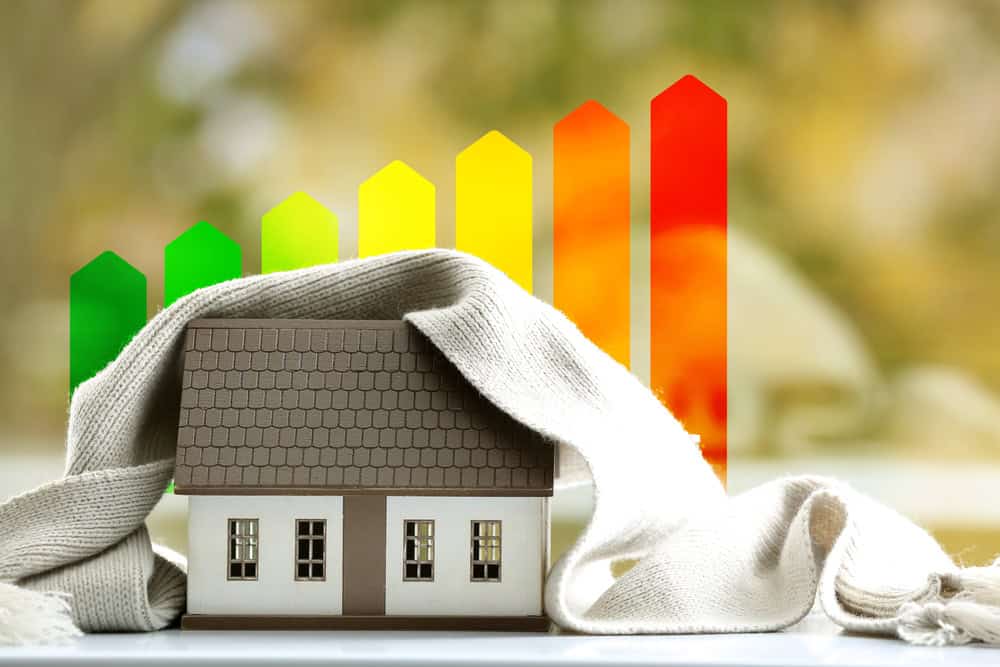
How to Create a More Efficient Home Heating System
A well-designed heating system can keep your home comfortable while reducing wasted energy and unnecessary expense. Efficiency depends on several connected choices, including the heat source, controls and condition of the building. Even decorative details matter when they protect surrounding surfaces and help the heating area fit naturally into the room. The best results come from treating heating as a complete household system, not a single appliance.
Benefits of Efficient Heating
Efficient heating delivers steady warmth without producing large temperature swings or running for longer than necessary. This can lower energy use and make rooms more comfortable, especially in properties where some spaces warm up faster than others.
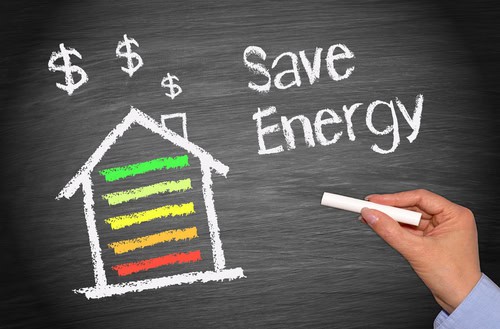
Start with the building itself. Draught-proof doors, seal gaps around windows and check loft insulation before replacing working equipment. These relatively simple improvements help the home retain the heat it already produces. Guidance on eco-friendly heating also highlights practical measures such as improving insulation and choosing efficient heat emitters. If one room always feels cold, look for draughts or undersized radiators before turning up the thermostat for the entire house.
Choosing Eco-Friendly Fuel
The environmental impact of heating depends on the energy source, the efficiency of the appliance and how much heat the property loses. Options may include electricity from renewable tariffs, heat pumps, solar thermal systems and responsibly sourced biomass where local conditions and regulations allow.

A comparison of green heating options can provide a useful starting point, but the best choice will still depend on your property. A heat pump, for example, usually performs most effectively in a well-insulated home with suitably sized radiators or underfloor heating. Before committing, request a heat-loss calculation and ask the installer to explain the expected seasonal performance. This gives you a more realistic picture than relying on the appliance rating alone.
The Role of a Quality Hearth
A hearth protects the floor around a compatible fireplace or stove while creating a clear visual base for the heating feature. Its size, thickness and position must suit the appliance manufacturer’s instructions and applicable building requirements.
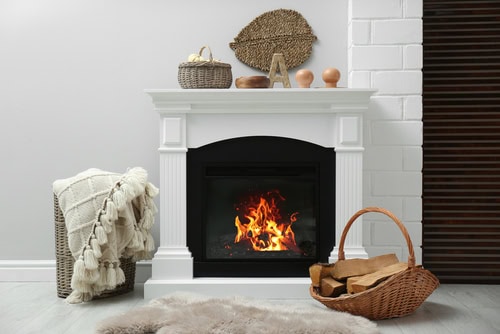
Toughened glass works particularly well in contemporary interiors because it allows existing flooring to remain visible. Homeowners who have confirmed their measurements and installation requirements can order toughened glass hearths online in circular, rectangular, semi-circle or custom-sized forms. Measure the appliance footprint and required clearances carefully before ordering. A qualified installer should confirm that the chosen hearth is appropriate, particularly if the unit is heavy or produces high temperatures at floor level.
Smart Controls for Warmth
Smart controls help you heat rooms according to when they are used. A programmable thermostat can lower the temperature overnight or while the home is empty, then restore warmth before you return. Zoned controls go further by giving bedrooms, living areas and workspaces separate schedules.
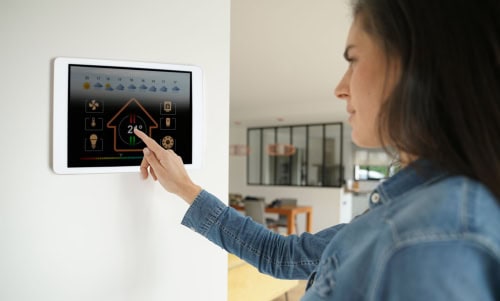
Keep programmes simple at first. Set a weekday schedule based on your normal routine, then review it after a week. If the boiler or heating system starts repeatedly for very short periods, ask an engineer to check the settings and system balance. For more ideas, explore these smart home upgrades that can improve heating efficiency and make your property more future-ready. Smart radiator controls can be useful in a spare room that needs occasional heat, though installing them everywhere may offer limited value in a small, open-plan home. Manual control should remain easy for guests and other household members.
Maintaining Your System
Regular maintenance protects efficiency and helps identify faults before they lead to an inconvenient loss of heating. Arrange professional servicing at the interval recommended by the manufacturer. The engineer should inspect the main unit, controls and ventilation provisions as relevant to your system.
Between visits, check visible pipework for leaks, keep vents clear and note any unusual sounds or persistent changes in pressure. Radiators that are cold at the top may contain trapped air, while cold patches at the bottom can suggest a build-up of debris that needs professional attention. Clean glass hearths with a soft cloth and a suitable non-abrasive product, allowing the surface to cool fully first.
Keep appliance instructions, service records and control settings together in an accessible place. When the next engineer visits, that small file can make diagnosis quicker and help preserve the dependable warmth your home needs.

