New-Build Home Ideas: How to Create a Stylish, Personal Space

Share
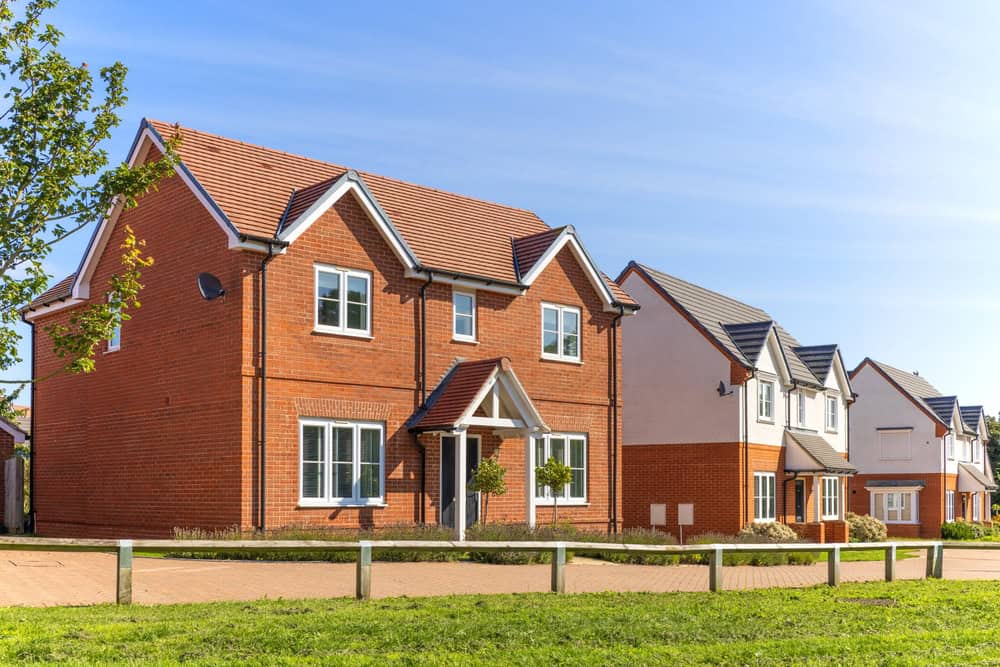
How to Turn a New-Build House Into a Home That Feels Like Yours
A new-build home gives you a clean, efficient starting point and plenty of scope to shape each room around daily life. The key is to make decisions in a sensible order, starting with how the household uses the space before moving on to colours and decoration. This prevents expensive changes later and helps the finished home feel personal from the moment you settle in.
Understanding New-Build Potential

Begin by recording the fixed elements, including windows, doors, radiators, sockets and built-in storage. Add measurements to a simple floor plan and mark where daylight falls during the morning and afternoon. A structured house design blueprint can help you turn these observations into practical room plans.
Check any purchase or tenancy conditions before painting, drilling or replacing fittings. If you’re still comparing properties, view luxury new-build homes with your furniture dimensions and normal routine in mind. A generous hallway may suit a pushchair or bicycle, while a south-facing kitchen could become the natural centre of family life.
Designing for Personal Style
Choose three words to describe the atmosphere you want, such as calm, warm and uncluttered. Use them to guide your palette and materials, which makes it easier to avoid impulse buys that don’t work together.
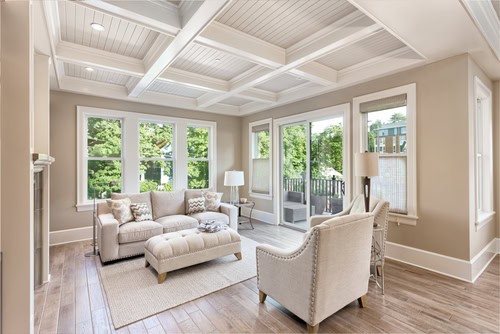
New properties often have neutral walls and few architectural details, so introduce depth through timber, textured fabric, ceramics and layered lighting. These practical ideas for adding new-build character show how joinery, colour and carefully chosen finishes can create individuality without forcing a period look.
Start with one completed room and carry two or three recurring features through the rest of the home. Repeating a paint colour, wood tone or handle finish produces a subtle sense of continuity.
Smart Layouts for Modern Living
Plan each room around activities instead of arranging furniture only along the walls. An open-plan kitchen might need a dining zone, a comfortable seating area and a compact work spot. Rugs and pendant lights can define these areas without blocking sightlines.

Before ordering larger pieces, outline their dimensions on the floor with masking tape. Leave clear routes between doors and allow enough space to pull out chairs or open cupboards fully. Flexible furniture also helps a room adapt:
- Pick an extending table for guests and weekday homework
- Use an ottoman with hidden storage
- Choose side tables that can move between rooms
- Add a slim desk that can double as a dressing table
These small choices protect useful floor space as your routines change.
Energy Efficiency and Comfort
Learn how the heating, ventilation, and hot-water controls work before changing their settings. New homes can retain heat effectively, but comfort still depends on sensible temperatures and steady airflow. Keep ventilation openings clear and use extractor fans when cooking or showering to manage moisture.

Layer window coverings according to the room. A bedroom may benefit from lined curtains and a blackout blind, while a living area might need sheer fabric for privacy without losing daylight. Position seating away from strong draughts or direct midday glare.
Lighting deserves equal attention. Combine ceiling lights with lamps near sofas, desks and beds, then choose bulbs with consistent colour temperatures so adjoining spaces feel connected after dark.
Making a House Your Forever Home
Think several years ahead when choosing storage, flooring and permanent fittings. A spare bedroom may later serve as a nursery, study or guest room, so neutral fitted storage and several accessible sockets will keep it useful. Durable, washable finishes also cope better with children, pets and busy entrances.
The same thinking applies outside. Leave room for bins, tools and seasonal equipment, then establish planting gradually after observing sun and drainage across a full season. Litmag’s guide to designing a home that grows offers more ideas for adaptable family spaces.
Keep a small file of paint names, flooring details, and appliance information. When something needs touching up or replacing, those records will save guesswork and help the home retain its carefully planned character.