Technology in the Workplace: How It’s Changing the Way We Work

Share
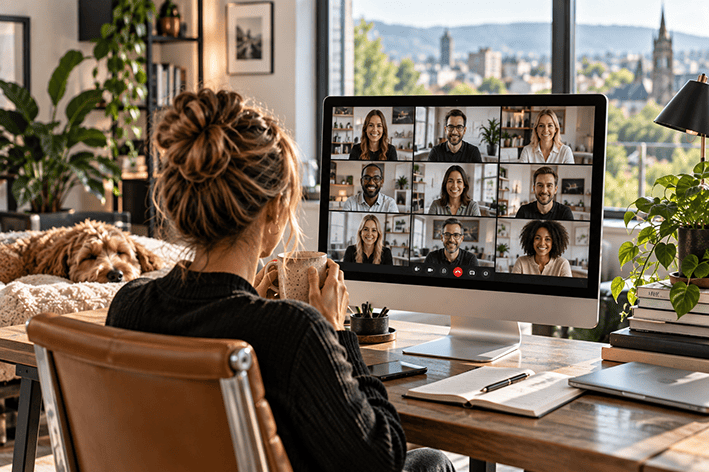
How Workplace Technology Is Reshaping People, Skills and Company Culture
The technology we use at work does more than just speed up our tasks; it fundamentally reshapes our expectations, behaviours, and even the very culture of our organisations. From how we talk to colleagues to how companies find and grow talent, the digital shift is creating a new professional world. Understanding these changes is key for anyone navigating a modern career, whether you’re a leader or a team member. This isn’t just about learning new software; it’s about adapting to a new way of working and relating to one another.
The New Pace of Work and Communication
Instant messaging and collaborative documents have drastically cut down the time it takes to share information and make decisions. The days of waiting for a formal memo or a scheduled weekly meeting to move a project forward are largely gone. This faster pace brings efficiency, but it also creates a culture where you’re expected to be constantly available. The line between focused work and reactive communication can get blurry, so you need new personal strategies for managing your time and attention.
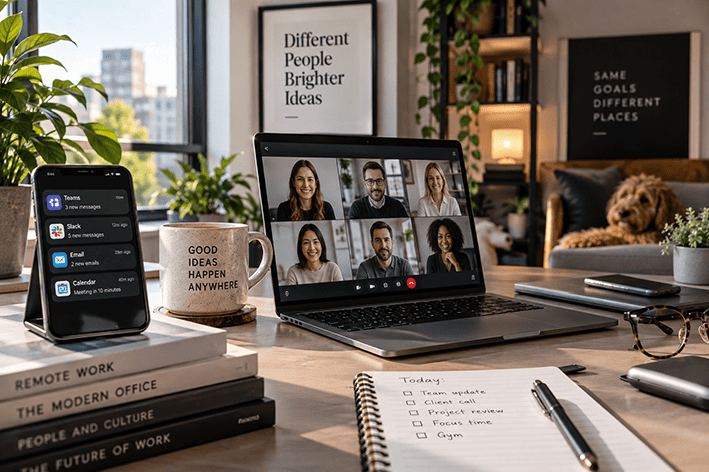
This shift also changes how we build relationships with colleagues. Spontaneous digital conversations can replace the casual chats that once happened by the coffee machine, especially in remote or hybrid setups. While this offers new ways to connect, it means you have to make a more conscious effort to build rapport and trust without the benefit of face-to-face interaction. The tools are simple, but their impact on organizational culture change is deep and complex.
Data-Driven Decisions and People Analytics
For a long time, management relied on gut feeling and intuition. Now, technology is bringing a more analytical approach to handling people. Modern organisations are increasingly using data to understand their workforce. They track employee engagement, identify skill gaps, and use this “people analytics” to make more informed, objective decisions about everything from promotions to training initiatives. It can even show you where your next workation should be.
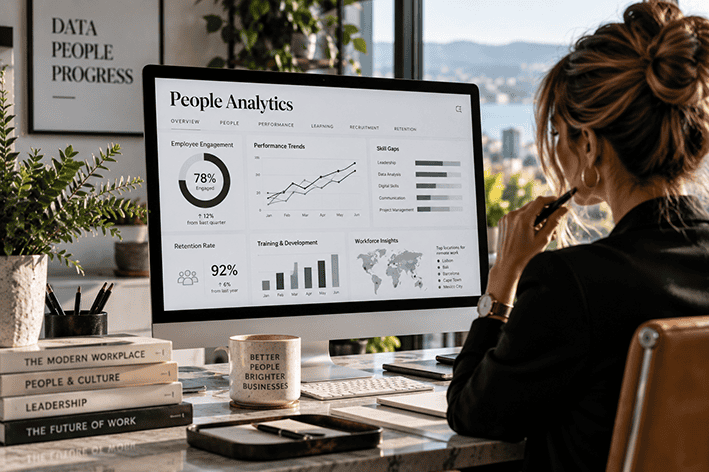
Instead of just relying on stories, managers can now see patterns in performance data. They can pinpoint why one team might be struggling while another thrives, or forecast future hiring needs with much greater accuracy. Using AI for HR helps create fairer promotion processes and personalises employee development plans. This data-driven approach helps organisations be more strategic about their most valuable asset: their people. It turns talent management from a reactive task into a proactive, forward-looking part of the business strategy.
Redefining Skills and Lifelong Learning
Technology is evolving so fast that the skills needed to succeed at work are constantly changing. A tool or process that was essential five years ago might be automated or obsolete today. This reality has made lifelong learning a professional necessity. The idea of mastering a single skillset that will last an entire career is becoming a thing of the past.
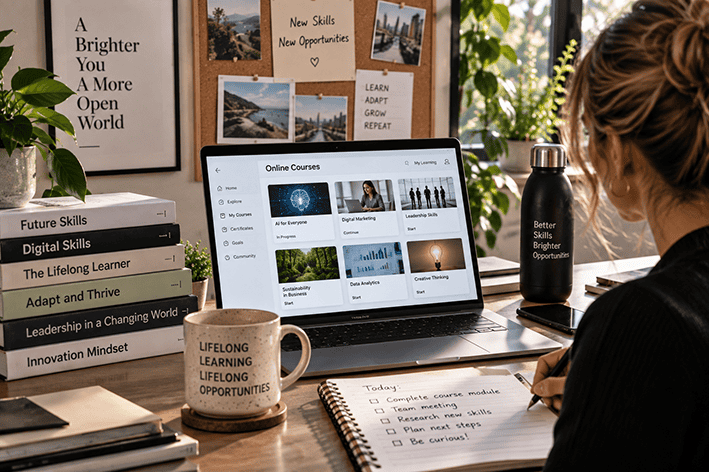
In response, forward-thinking organisations are building cultures that encourage continuous development. This might mean providing access to online courses, setting up internal mentoring programmes, or giving employees dedicated time to explore new areas. For individuals, it means adopting a mindset of curiosity and adaptability. The most valuable employees are often not those with the most established expertise, but those who can learn, unlearn, and relearn as the business needs change.
Cultivating Culture in a Hybrid World
Maintaining a strong, cohesive company culture is tough when employees aren’t sharing the same physical space every day. The informal interactions that naturally build a sense of community and shared purpose don’t happen as easily over video calls. Because of this, leaders have to be much more intentional about cultivating their desired culture in a hybrid or fully remote setting.
This involves clearly defining the organisation’s values and finding creative ways to bring them to life digitally. It might mean establishing new communication rituals, organising virtual social events, or investing in technology that helps teams feel connected and aligned. The success of major business changes often hinges on getting this right, as the connection between talent and culture in tech-enabled transformations is incredibly strong. Without a deliberate focus, culture can drift, leading to disengagement and a weaker sense of belonging.
Ultimately, bringing new technology into the workplace is as much a human challenge as it is a technical one. The companies and individuals who thrive will be those who see these shifts not as disruptions, but as opportunities to build smarter, more connected, and more adaptable ways of working together.