
Festive Season UTIs: Expert Tips to Prevent Cystitis This Christmas

Share

How to Avoid Cystitis and UTIs During the Festive Season
Dr Janine David, Women’s Health expert and adviser to Effercitrate Tablets, says: “Party season brings together people, but it also brings together late nights, alcohol, dehydration, lower immune systems, and sexual encounters. All of which can increase the risk of UTI or cystitis.
“There’s nothing worse than encountering a bout of cystitis during party season, meaning either missing out on the social occasions, or trying your best to get through the night with an irritated bladder and painful stomach.”
Tips for a bladder-friendly festive season
- Hydrate. Water is your friend: During the festive season, the amount of alcohol drunk may go up. This can lead to dehydration. Drinking plenty of water strengthens your urine flow and makes it harder for bacteria to cling to the bladder and urinary tract – and with the toilet trips, you will be helping to flush out bacteria. Though avoid fizzy drinks as they can irritate the urinary tract.
- #1. Spot the signs: If you notice a burning sensation when you pee, an urgency or frequency to pee, don’t ignore it, as this could be cystitis. Seek advice from your pharmacist.
- #2. Don’t hold on to it: No one wants to miss out on anything, but if you need to go to the toilet, go; don’t hold on to it. Skipping when you need to toilet means that bacteria in the bladder proliferate.
- #3. Take Over-the-Counter Relief Like Effercitrate Tablets: If you have cystitis, take Effercitrate Tablets straight away. Effercitrate Tablets will provide fast, soothing relief from cystitis symptoms. Always read the label.
If symptoms worsen or don’t improve within a couple of days, see your GP, pharmacist or visit a walk-in centre.
- #4. Pee after sex: Party season can mean more sex with your partner, or more sexual encounters. As sex is a key trigger for cystitis, [sex-induced cystitis accounts for around 60% of recurrent cases.[1]] It’s wise to take some preventative measures, such as washing your genital area both before and after sex.
Empty your bladder after sex, and when you’re on the toilet, lean back slightly to allow the last few drops of urine to pass.
Drinking a large glass of water after sex can also help by strengthening your urine flow and making it harder for bacteria to stick inside the urinary tract.
- #5. Wear breathable cotton underwear: Opt for cotton underwear as it is soft and allows the vagina to ‘breathe”. Stay clear of tight-fitting jeans or trousers
- #6. Take time out: Festive fun can be full on. Take some time out to enjoy the calm, as increased stress levels can mean lower immune levels, meaning your body is at greater risk of infections
Unwrapping Cystitis
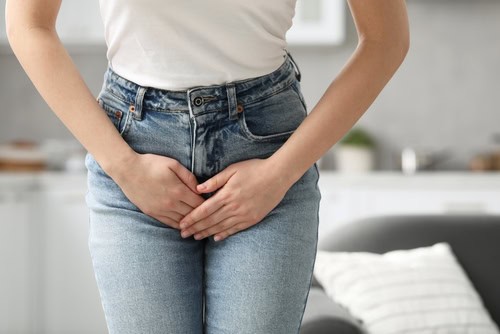
Around a third of females will have experienced cystitis by the time they reach the age of 24[2], and one in three women will develop a UTI during their lifetime.[3]
Cystitis is 30 times more common in women than in men.[4] This is because women have a shorter urethra, and the opening is located very close to the anus, so the passage of bacteria is easier.
Alongside burning or stinging when you pee, other cystitis symptoms can include:
- Needing to pee regularly, but passing only a little or no urine
- Cloudy, dark or strong-smelling urine
- Pain in the lower tummy
- Incontinence
- A high temperature (fever)
- Generally feeling more tired than usual or unwell
Effercitrate Tablets: Soothing Cystitis
To soothe the symptoms of cystitis and provide relief, Effercitrate Tablets are a simple, drinkable solution to take when cystitis strikes.
Available without the need for a prescription or a urine sample, the lemon and lime flavoured effervescent tablets contain the ingredient potassium citrate and citric acid, which makes the urine more alkaline, helping to soothe the bladder and urethra lining and relieve discomfort caused by the infection.
Simply dissolve two tablets into a glass of water (this is where the ingredients become active and do their job). Drink the pleasant lemon and lime solution. Relief provided from the burning irritation and discomfort caused by cystitis. Always read the label.
See your GP if:
- Your symptoms don’t improve within a few days.
- You get cystitis frequently.
- You have severe symptoms such as blood in your urine, a fever or pain in your side.
- You are pregnant and have symptoms of cystitis.
- You are a man and have symptoms of cystitis. Cystitis is much rarer in men than in women and can be a sign of more serious problems, such as kidney or bladder stones or prostate problems.
- Your child has symptoms of cystitis.
Your GP may test a sample of your urine to confirm a diagnosis of infection. For more information, visit www.effercitrate.co.uk


