
A First-Timer’s Guide to Eating in London’s Chinatown

Share

Chinatown can be overwhelming if you’ve never been. You walk through the gates on Gerrard Street and suddenly there are dozens of restaurants, bakeries, and bubble tea shops competing for your attention. Menus in windows show pictures of dishes you don’t recognise. Staff stand outside trying to wave you in. It’s a lot.
But once you know how it works, Chinatown becomes one of the best places to eat in central London. Nowhere else can you get authentic regional Chinese food, late-night dumplings, and a proper roast duck for under twenty quid, all within a five-minute walk of Leicester Square.
Here’s what to know before your first visit to London’s Chinatown
Ignore the Touts
Let’s get this out of the way first. Some restaurants employ people to stand outside and persuade you to come in. They’ll offer discounts, tell you there’s no wait, promise you the best duck in Chinatown.
Doesn’t mean the food’s bad. But the best restaurants generally don’t need to do this. They’re busy anyway. If someone’s being particularly pushy, that’s sometimes a sign the place is struggling to fill tables, which tells you something.
Walk past, have a look at what’s busy, check the menus, and make your own decision.
Decide What You Actually Want
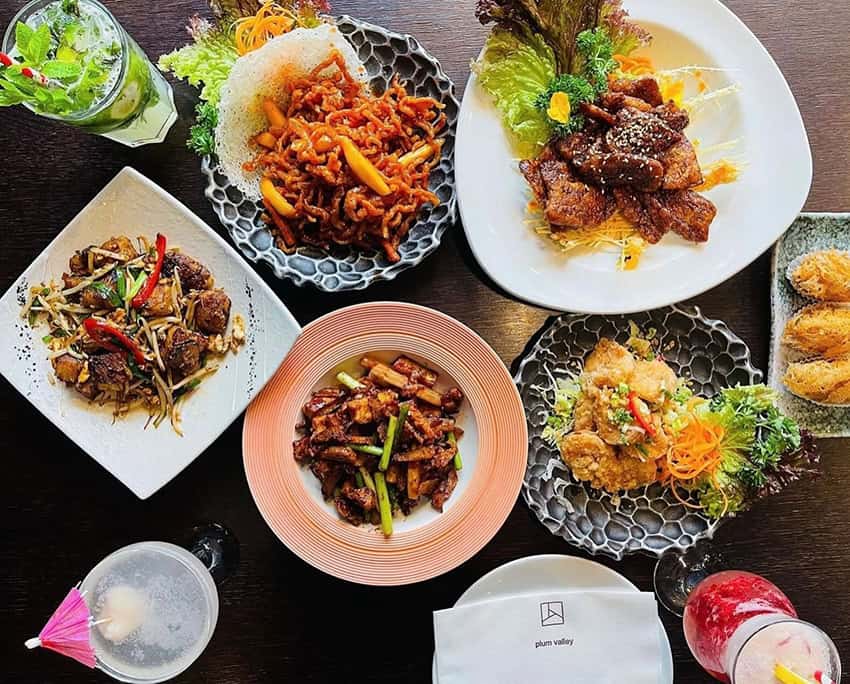
Chinatown isn’t one type of food. Most restaurants serve Cantonese, but you’ll also find Sichuan, Taiwanese, Malaysian, Vietnamese, and various regional specialities. Knowing roughly what you’re after helps.
Dim sum is the obvious starting point for first-timers. Small steamed and fried dishes, served in bamboo baskets or on small plates. You order a selection and share. It’s social, it’s varied, and you can try lots of things without committing to one big dish. If you’re looking for dim sum chinatown london has plenty of options, from traditional to more modern takes.
Roast meats are a Chinatown staple. Look for the places with ducks and char siu pork hanging in the window. You can get a plate of meat on rice for not much money, and the quality is generally solid.
Hot pot is interactive. You get a bubbling pot of broth at your table and cook raw ingredients in it yourself. Good for groups, but probably not a first-visit choice unless you’re with someone who knows what they’re doing.
Noodle soups are cheap, filling, and perfect for cold days. Most places do a decent beef brisket noodle or wonton soup.
Sichuan food is spicy. Properly spicy, with the numbing heat from Sichuan peppercorns. Worth trying if you can handle it, but maybe not ideal if you’re with someone who reaches for a glass of milk after a korma.
Timing Matters
Chinatown gets rammed on weekend evenings. Friday and Saturday nights between 7pm and 9pm, you’ll be queueing for most decent places. Fine if you don’t mind waiting, frustrating if you’re hungry.
Lunch is easier. Weekday lunchtimes are particularly good for dim sum, because that’s when it’s traditionally eaten. Some places do lunchtime deals too.
Late night is underrated. Chinatown stays open later than most of central London. Several restaurants serve until midnight or beyond, which makes it a good option after a show or when everywhere else has closed.
Sunday lunch is busy but worth it if you’re specifically after dim sum. That’s when local families come, which is usually a good sign.
How to Order Dim Sum
If you’ve never had dim sum, the process can be confusing. Different restaurants do it differently.
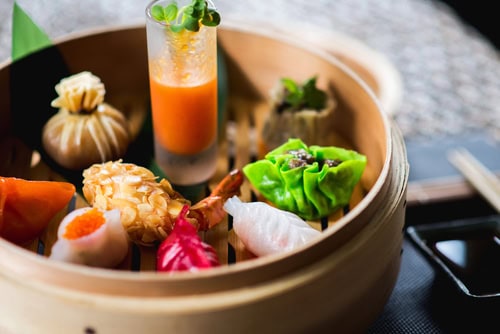
Some places have paper checklists. You tick what you want, hand it over, and food arrives. This is the traditional method and means you can order at your own pace.
Others work more like a regular restaurant. A waiter takes your order verbally, brings everything out, and you reorder if you want more.
A few still do trolley service, where staff wheel carts around and you point at what looks good. This is increasingly rare but fun when you find it.
Start with the classics: har gow (prawn dumplings), siu mai (pork dumplings), char siu bao (BBQ pork buns), cheung fun (rice noodle rolls). Branch out from there once you’ve got a sense of what you like.
Order less than you think you need. Dishes are small but they add up. You can always get more.
Don’t Overlook the Bakeries
The bakeries are easy to miss when you’re focused on finding a restaurant, but they’re worth a stop. Pineapple buns, egg tarts, wife cakes, coconut buns. Most items cost a pound or two.
Good for a snack before your meal if you’re early, or something sweet afterwards. A few also do decent coffee if you need caffeine.
Vegetarian and Vegan Options
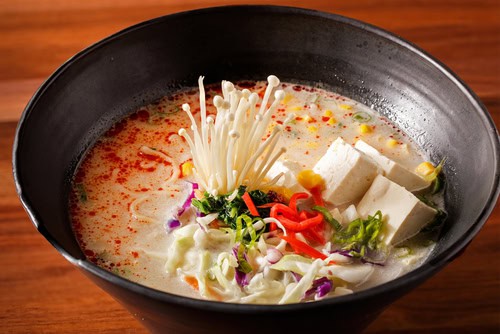
Chinese food has a long tradition of vegetarian cooking, partly from Buddhist influences. Most Chinatown restaurants will have vegetarian options, though the quality varies.
Some places do dedicated vegetarian and vegan menus with mock meats and tofu dishes done properly. Others just offer a few token stir-fried vegetable dishes as an afterthought. Worth checking menus in advance if this matters to you.
Dim sum is generally good for vegetarians. Lots of options involving vegetables, tofu, and mushrooms alongside the meat and prawn standards.
Expect Cash (Sometimes)
Card payments have become more common, but some smaller places still prefer cash. The ATMs on Gerrard Street charge fees. Easier to bring cash with you rather than scrambling to find one.
What to Avoid
Anywhere that’s consistently empty while everywhere else is busy. There’s usually a reason.
Restaurants that seem to serve everything. If the menu runs to fifteen pages and covers Thai, Japanese, and Chinese, it’s probably not doing any of them particularly well.
The very cheapest buffets. They exist, they’re tempting when you’re skint, but the quality is generally poor and you’ll feel rough afterwards.
Just Go
The main advice is to not overthink it. Chinatown isn’t fine dining. It’s not precious about reservations or dress codes or any of that. You can wander in, look at a few menus, pick somewhere that looks busy and smells good, and have a solid meal.
If it’s not great, you’ve spent twenty quid and learned something for next time. If it is great, you’ve found a new favourite.
Either way, you’ve eaten better than you would have at the generic chains around Leicester Square. And that’s really the point.

