TikTok Gut Health Craze: The Hidden Risks of Chia Seed Overload”

Share

Gut health has become one of 2025’s hottest wellness obsessions, with TikTok flooded by videos promoting “fibremaxxing” — a trend that encourages piling chia seeds, legumes, and other fibre-heavy foods into daily diets.
But according to Brenda Madole, Nutritionist at MyorThrive, the craze comes with hidden risks that could harm, rather than heal, the gut.
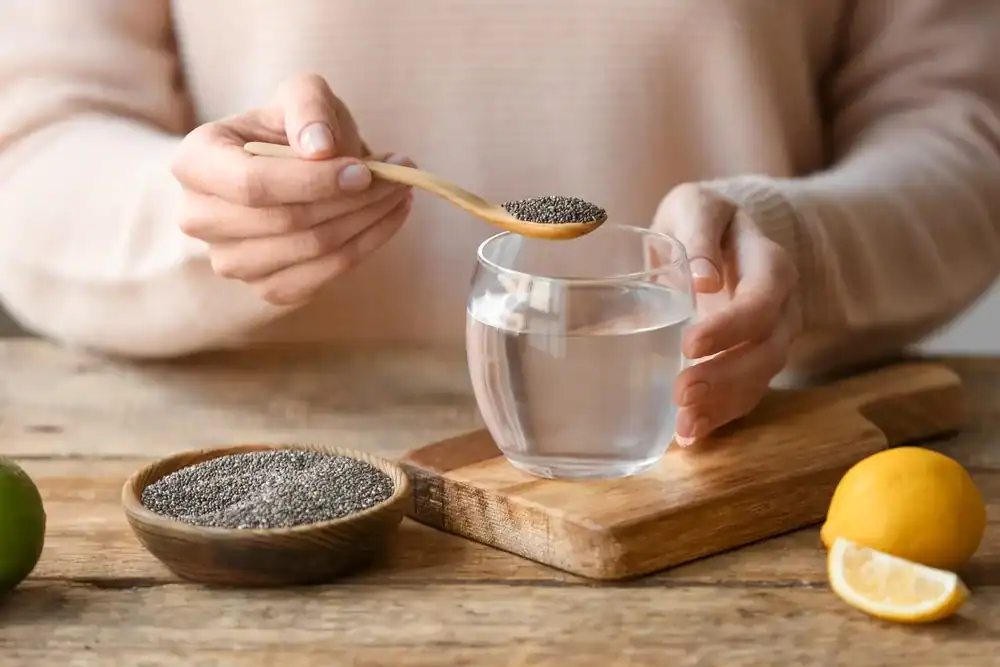
“Chia seeds are being sold as a miracle fix, but people forget they absorb up to 12 times their weight in liquid,” explains Madole. “Eaten dry or in excess, they can swell in the digestive tract, causing painful blockages, cramping, or even choking risks. We’re already seeing a rise in clients who have gut discomfort linked directly to these kinds of fad diets.”
While it’s true that fibre is essential — with only 9% of UK adults meeting the recommended 30g a day, Madole warns that suddenly loading up on fibre-rich foods can shock the digestive system.
“Gut health should never be about extremes,” she adds. “If you suddenly jump from 10g to 40g of fibre overnight, you’re more likely to experience bloating, diarrhoea, or constipation. Balance and gradual increases are key.”
Madole highlights some of the top gut health “danger foods” taking over TikTok:
| Food Trend | Potential Danger | Brenda’s Advice |
| Chia seeds | Can swell in the oesophagus or gut, risking blockages if consumed dry or in large amounts. | Always soak before eating; stick to 1–2 tbsp a day. |
| Kombucha | Fermentation may cause stomach upset; some blends interact with medications. | Buy from reputable sources; avoid if immune-compromised. |
| Excess fibre powders | Can interfere with mineral absorption (iron, zinc). | Focus on whole foods first; supplements only if advised. |
| “Fibremaxxing” diets | Sudden intake spikes cause cramps, bloating, diarrhoea. | Increase fibre gradually and diversify sources. |
Despite the dangers, Madole stresses that gut health is still vital. “The microbiome thrives on diversity — fruit, vegetables, legumes, nuts, seeds, and wholegrains in moderation. It’s not about a single ‘superfood,’ it’s about creating a lifestyle that supports your gut every day.”