
5 Warning Signs Your Fence Needs Repair Before It’s Too Late

Share
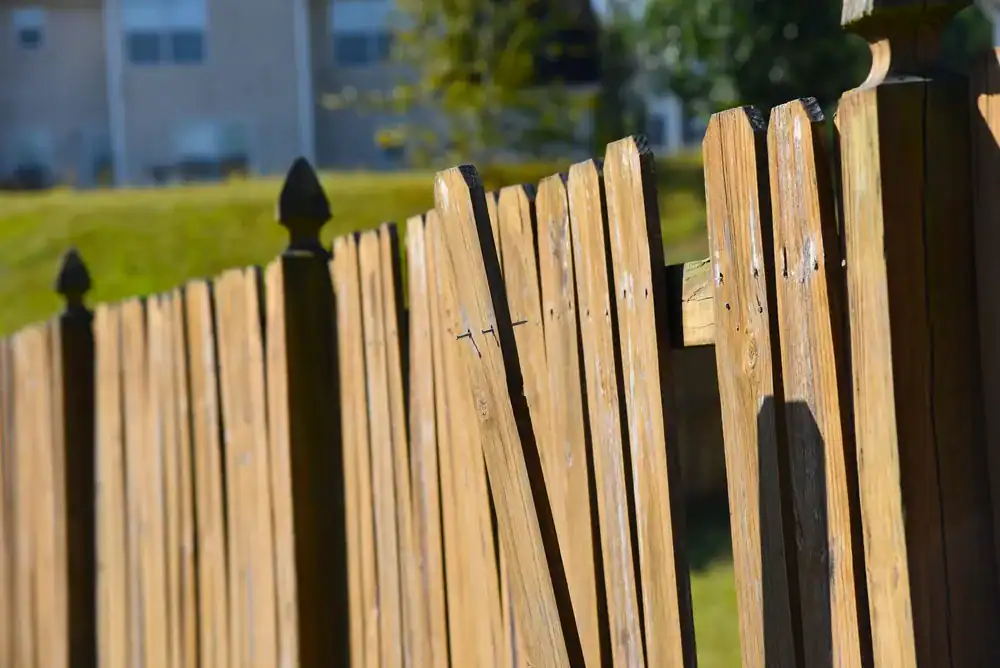
That sinking feeling when you notice your fence looking a little worse for wear? You’re not alone. Most Boise homeowners face this dilemma at some point—wondering whether that slight lean or those loose boards are worth calling someone about. The truth is, quality fence construction can prevent many common issues, but even the best fences need attention sometimes.
Here’s the thing about fence problems: they rarely fix themselves. What starts as a minor issue can quickly become a major headache, especially with Idaho’s unpredictable weather throwing everything from heavy snow to scorching heat at your property. Let’s walk through five red flags that mean it’s time to pick up the phone before small problems turn into expensive replacements.
Leaning or Sagging Sections That Keep Getting Worse
When fence posts start tilting at odd angles, you’re looking at more than just an eyesore. Those leaning sections are screaming that something’s wrong underground—usually rotting wood posts that can’t handle Boise’s clay soil anymore.
Idaho’s freeze-thaw cycles are brutal on traditional wood posts. During spring snowmelt, that clay soil expands and contracts like crazy, putting enormous pressure on fence foundations. Add in our notorious wind gusts, and you’ve got a recipe for structural failure.
The scary part? Leaning gets progressively worse. What starts as a slight tilt becomes a domino effect that can take down entire sections. Plus, if your fence falls and damages a neighbor’s property, you’re looking at potential insurance headaches.
Many homeowners try the DIY approach—adding more concrete around already-rotting posts. But here’s what they don’t realize: if the wood is compromised below ground, no amount of concrete will fix the core problem. Professional assessment can determine whether you need post replacement or if there are deeper soil drainage issues at play.

Wood Rot That’s More Than Surface Deep
Spotting wood rot isn’t always obvious until it’s too late. Look for soft, spongy wood near ground level, dark streaks, or that telltale musty smell. If you can poke through the wood with a screwdriver, you’ve got serious structural compromise.
Boise creates perfect conditions for rot—spring moisture from snowmelt followed by summer irrigation cycles. Poor air circulation around tightly installed fences makes it even worse. What looks like minor surface damage often means the entire post is compromised from the inside out.
The hidden cost here is huge. Early intervention might mean replacing a few boards or posts. Wait too long, and you’re looking at entire section replacement. Rot also attracts termites and other wood-boring insects, turning your fence problem into a property-wide issue.
Hardware That’s Coming Apart at the Seams
Loose screws, sagging hinges, and panels separating from rails might seem like minor annoyances, but they’re actually warning signs of bigger problems. Idaho’s temperature swings cause wood to expand and contract constantly, working hardware loose over time.
Cheap galvanized hardware rusts out quickly in our climate, and over-tightening during installation often splits the wood, creating weak points. Once one board comes loose, it puts extra stress on surrounding hardware—creating a cascade of failures.
This is where professional repair really shines. Experienced contractors understand wood movement and use proper hardware designed for Idaho’s climate extremes. They also have the tools and expertise to make repairs that actually last, rather than temporary patches that fail again next season.
Weather and Impact Damage You Keep Putting Off
Broken boards from falling tree limbs, cracked posts from freeze-thaw cycles, or bent chain link from equipment hits—sound familiar? Boise’s weather throws everything at our fences, from sudden temperature drops that crack wood to heavy wet snow that creates dangerous weight loads.
The problem with “temporary” fixes is they rarely stay temporary. Homeowners patch with whatever materials they have handy, creating mismatched eyesores that actually make the problem worse. These quick fixes rarely address underlying issues and can void warranties on newer installations.
Professional assessment determines whether damage is isolated or part of a larger structural problem. They can match existing materials and finishes while addressing root causes—not just covering up symptoms.

Pest Problems That Go Beyond the Surface
Small holes in posts, sawdust piles near the fence base, or hollow-sounding wood when tapped all signal pest activity. Idaho’s common fence pests include carpenter ants in moist wood, termites in ground-contact lumber, and various wood-boring beetles.
DIY pest control often falls short because you need to treat both the pest problem and the structural damage they’ve caused. Wrong treatments can actually make wood more vulnerable to future infestations.
Fence companies like Equinox Fence take an integrated approach—combining pest treatment with structural repair and applying preventive treatments during the repair process. Their steel post construction actually eliminates the most common failure points that attract pests in the first place.
The Real Cost of Waiting
Here’s the financial reality: a $200 board replacement today can become a $2,000 section replacement next year. Small problems compound quickly, especially when Idaho weather gets involved. Beyond the money, there are safety concerns—falling fence sections, injury risks from protruding nails, and potential liability issues with neighbors.
Professional fence companies offer something DIY repairs can’t: warranties on their work, proper material selection for local climate, and the experience to spot problems before they become disasters.
Time to Take Action
Don’t let a small fence problem become a major headache. Professional assessment costs nothing but provides valuable peace of mind about your property’s security and value. The best contractors will give you honest advice about linkhouse repair versus replacement, helping you make informed decisions about your investment.
If you’ve spotted any of these warning signs around your Boise, Eagle, Meridian, or surrounding area property, now’s the time to get a professional opinion before winter weather makes everything worse.


