Signs Your Commercial AC System Needs Immediate Repair

Share
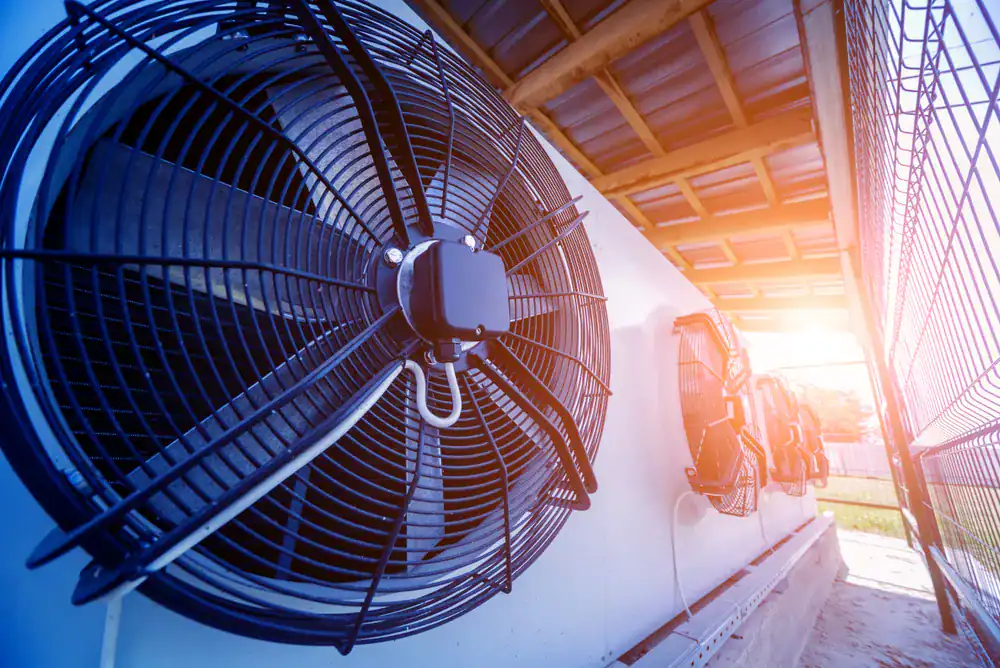
As the temperatures rise, the reliance on air conditioning systems increases, especially in a commercial setting. A well-functioning AC is crucial not only for the comfort of employees and customers but also for the protection of equipment and inventory that may be sensitive to heat. Identifying the early signs of AC trouble can save businesses from costly repairs and downtime. Knowing what to watch for is the key to maintaining a cool and productive environment. Below, we’ll discuss some of the unmistakable signs that indicate your commercial AC unit may require immediate attention.
Recognizing Unusual Noises and What They Mean for Your Commercial AC
One of the first indicators of a malfunctioning commercial AC system is the emergence of unusual noises. A healthy system operates with a consistent, low-level sound. When you start hearing grinding, squealing, or clattering, it could suggest that there are loose or broken internal components. Ignoring these sounds can lead to more extensive damage and potentially complete system failure.
Hearing a buzzing noise can be indicative of electrical issues or a failing compressor, while a banging noise often signifies that something is loose or broken inside the AC unit. These issues are not to be taken lightly, as they can affect not only the performance but also the safety of your AC system. It is vital to have a professional inspect the unit to determine the root of the problem.
An important aspect of addressing these noises is selecting a skilled service provider for commercial AC repair in El Paso. Engineers with the right expertise can decipher these noises, providing appropriate solutions that ensure business operations continue smoothly and without interruption.
Understanding the Relevance of High Energy Bills to AC Health
While fluctuating energy bills are normal to a degree, a sudden and unexplained increase in costs could signify that your commercial AC system is working harder than it should. Inefficient systems consume more energy, and this inefficiency can stem from a variety of issues, from dirty coils to aging equipment. It’s essential for businesses to monitor their energy usage carefully to identify such red flags.
Higher energy bills often go hand in hand with the need for more frequent repairs. This can indicate that the AC system is no longer operating at its peak performance and may be on the brink of failure. Regular maintenance can often mitigate these issues, but persistent inefficiencies demand more immediate technical solutions.
Keep in mind, if a commercial AC unit is drawing more power than necessary, it not only impacts your electricity bills but also contributes to environmental stress. The emphasis should, therefore, be on maintaining an eco-friendly and cost-efficient operation by ensuring your AC system is in its best condition.
Identifying the Warning Signs of Poor Air Quality in Your Facility
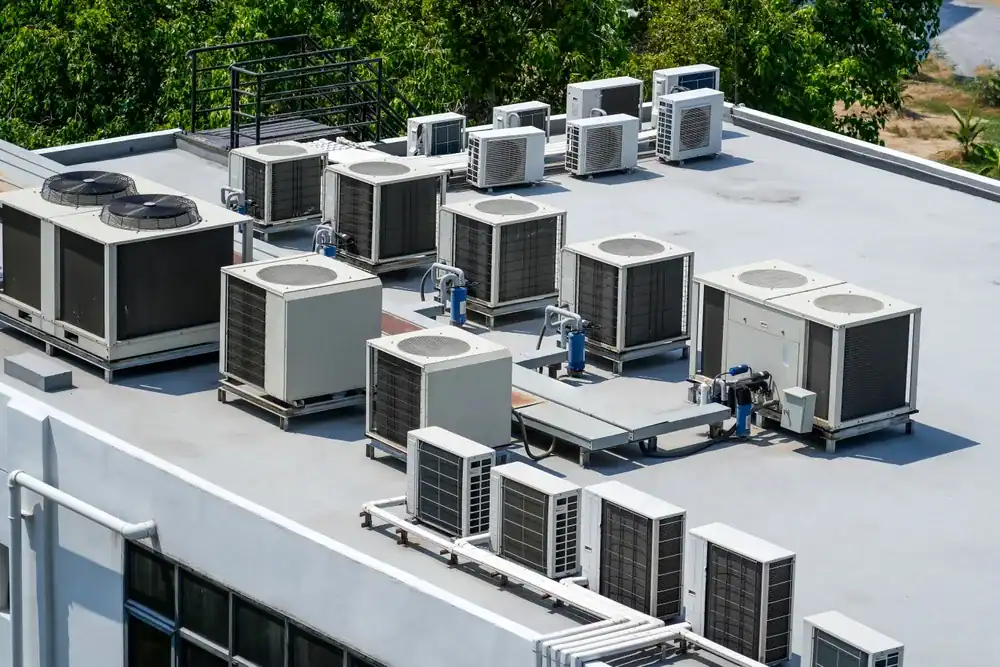
Poor air quality within a commercial facility can be a subtle yet clear sign that the AC system needs attention. Unpleasant odors, an accumulation of dust, or an increase in humidity levels often indicate that the system is not properly filtering the air. These conditions can not only affect the health and well-being of your staff and clients but can also provide a breeding ground for mold and mildew.
AC systems that have been in operation for many years without significant maintenance are more prone to issues that compromise air quality. Identifying and rectifying these early signs can improve the environment within your facility, ensuring the space remains healthy and inviting.
Addressing Frequent Cycling Issues in Commercial AC Systems
Frequent cycling, where the AC system turns on and off more often than usual, can be an indication of an overworked or malfunctioning unit. It’s not just an annoyance; it could also mean that the system’s components are under stress, which might lead to more severe problems if not addressed promptly. Furthermore, this can result in higher energy consumption as the system uses more energy to start up each cycle.
Many factors can trigger frequent cycling, including dirty or blocked filters, incorrect thermostat settings, or even more technical issues like a failing compressor. Businesses must not dismiss these cycling anomalies, as they can significantly reduce the lifespan of an AC system and lead to expensive repairs or replacements in the future.
Altogether, the health of your commercial AC system is integral to the smooth operation of your business. Addressing these critical signs, such as unusual noises, inconsistent cooling, high energy bills, poor air quality, and frequent cycling, can prevent further damage and ensure a comfortable environment for both customers and employees. Regular maintenance and prompt repairs are the best strategies to keep your commercial AC system running smoothly and avoidative of any major disruptions to your everyday operations.
Garden Design Mistakes That Make Your Space Feel Smaller—And How to Fix Them