
Cheddar and Class: The Hidden Stories Behind Britain’s Food Heritage

Share

Despite its historical traditions and ceremonial displays Britain maintains a food reputation which undersells and misrepresents its real depth.
A new generation of discerning consumers and thoughtful gift-givers are quietly rediscovering traditional British food’s power. These heritage-laden products provide meaningful culinary experiences when presented in luxury hampers or showcased on cheese boards and poured into elegant glasses.
This food revival centers around a revived interest in the origins and authenticity of food products. Protected food names like PDO (Protected Designation of Origin), PGI (Protected Geographical Indication) and TSG (Traditional Speciality Guaranteed) function as more than authenticity seals – they offer insights into Britain’s historical evolution and the communities and locations that developed today’s culinary landscape.
What Is Food Heritage and Why Does It Matter?
Food heritage isn’t just about recipes passed down through families. It transcends geography, history, regional identity and sustainable craft. When a food item is protected under schemes like PDO or PGI it means it must be produced, processed and prepared in a specific area using traditional methods. These labels preserve the integrity of the product and support farmers and their cultural traditions.
In the world of gifting, food heritage carries a lot of weight. Including food with a protected status in a hamper says: I’ve chosen something that matters. It’s a celebration of tradition, quality and story – all the things a mass-produced tin of biscuits can’t offer.
Let’s take a closer look at some of Britain’s most iconic heritage foods – many of which make regular appearances in luxury hampers.
West Country Farmhouse Cheddar (PDO)
Few foods are as closely associated with Britain as Cheddar cheese – and yet few cheese-lovers know the full story. Real Cheddar, the one with a PDO stamp, must be made in Somerset, Devon, Dorset or Cornwall, using traditional methods and locally sourced milk. It is aged in cloth, often in caves or cool storerooms, where it develops its signature depth of flavour.
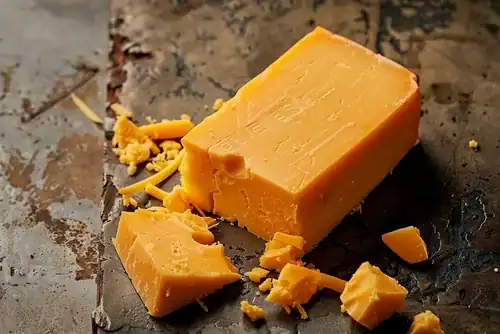
The cheese takes its name from the village of Cheddar in Somerset, where the caves of Cheddar Gorge were historically used to mature the cheese. References to Cheddar-making date back to the 12th century and it was once served at the tables of monarchs, including King Henry II.
When you see West Country Farmhouse Cheddar in a hamper, you’re not just tasting sharp, crumbly excellence – you’re partaking in 800 years of craftsmanship.
Stilton Cheese (PDO)
Stilton is often called “The King of English Cheeses” and for a good reason. PDO status recognition limits Stilton cheese production to Derbyshire, Nottinghamshire and Leicestershire. The irony? The village of Stilton may not produce its namesake cheese because it lies beyond the approved production area.
Originating in the early 18th century Stilton cheese became famous along coach routes to London where it was sold to travellers at inns. The unique blue veins and dense, crumbly texture of the cheese result from the use of a specialized bacterial culture combined with extended aging in regulated settings.

Stilton’s reputation grew with Britain’s industrial era, as improved transportation allowed the cheese to reach urban markets. Today, a wedge of proper Stilton speaks to more than flavour – it carries centuries of trade, regional pride and culinary prestige.
Cornish Clotted Cream (PDO)
A staple of cream teas across the southwest, Cornish Clotted Cream is more than a treat – it’s a cultural cornerstone. With a thick, golden crust formed through a unique slow-heating process, this cream must be made from Cornish milk and produced in Cornwall to qualify for PDO status.

Its origins trace back to methods used to preserve milk before refrigeration, with historical ties to both ancient farming practices and monastic traditions. Whether spooned atop scones or folded into desserts, Cornish clotted cream is a nostalgic, indulgent reminder of rural Britain at its best.
Melton Mowbray Pork Pies (PGI)
Compact, hearty, and satisfying, Melton Mowbray pork pies are a true British classic that offers much more than just picnic fare. Recognized with a Protected Geographical Indication (PGI) status, these pies must be crafted within a specific area of Leicestershire, following traditional methods that have been passed down through generations. The PGI label ensures authenticity, requiring the use of uncured pork, carefully seasoned, and encased in a hand-formed, hot-water crust pastry. This distinctive pastry bakes free-standing, giving the pie its iconic, slightly uneven shape, which has become a hallmark of its rustic and artisanal appeal.

These pies stand out because of their distinctive preparation method. The Melton Mowbray pork pies stand out by using uncured pork that results in a natural grey meat color upon cooking instead of the pink appearance found in cured pork pies. Hand-formed hot-water crust pastry is baked without using a tin which results in a free-standing pie with a golden crispy exterior. These pies contain a savory pork jelly layer around the meat which gives them their rich and satisfying taste.
Melton Mowbray pork pies hold a special place in the gourmet world as rustic comfort food. These pies receive admiration from both local and national audiences who consume them during celebrations and picnics or eat them as enjoyable standalone treats. The traditional British culinary legacy of Melton Mowbray pork pies endures through their quality which delivers historical flavor with every bite.
Yorkshire Rhubarb (PGI)
A surprising but increasingly celebrated British delicacy, Yorkshire Forced Rhubarb enjoys PGI protection and a fascinating backstory. Grown in the so-called “Rhubarb Triangle” between Wakefield, Morley and Rothwell, this rhubarb is cultivated in dark forcing sheds lit only by candlelight – a process that creates a tender, sweet and vividly coloured stalk.
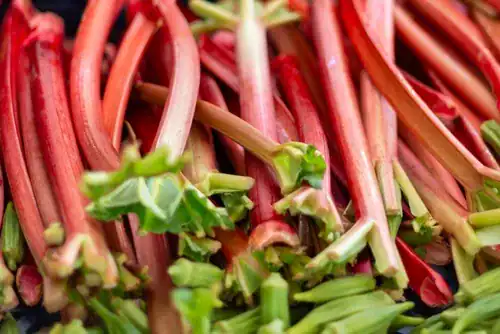
This tradition began in the 1800s and peaked during the early 20th century, when Britain exported rhubarb to Paris. Today, its seasonal arrival is eagerly awaited by chefs and bakers who recognise its unique flavour and historical significance.
English Sparkling Wine
Although England does not have a winemaking heritage the sparkling wines from Kent, Sussex and Hampshire have received worldwide recognition in recent decades. Thanks to chalky soils like those in Champagne along with warmer growing seasons English sparkling wines now receive global recognition.
The distinguishing features of English wine include its production on an artisan scale combined with the finesse brought by its climate. Many producers use manual harvesting alongside traditional techniques which creates a crisp and elegant sparkling wine that stands up well against French wines.
A hamper featuring English sparkling wine demonstrates both refinement and backing for an unexpected triumph in British agriculture.
Food Heritage as a Gift
There’s a reason so many of these products find their way into hampers. They are not just indulgent – they are layered with meaning. In an age of fast everything, they remind us of the slow, the seasonal, the regional and the real.
For the thoughtful gift-giver, heritage food says:
- I chose something with a story.
- I support local makers and time-honoured traditions.
- I care about taste, yes – but also about roots.
Whether you’re selecting a holiday hamper, a corporate gift or a gesture of gratitude, British food heritage offers more than flavour. It offers identity.
In every bite of clothbound cheddar, every sip of English fizz or every spoonful of clotted cream lies a story that is quintessentially British – and entirely worth sharing.
Tea and Tranquillity: Why 6 in 10 Brits Still Brew to De-Stress

