
SHOULD I COUNT CALS OR CARBS?

Share

IS FRUIT HEALTHY OR HIGH IN SUGAR? WHICH FATS ARE GOOD AND BAD? IS DARK CHOCOLATE GOOD FOR YOU? SHOULD I COUNT CALORIES OR CARBS? AND IS RED WINE HEALTHY? STUDY REVEALS THE HEALTH QUESTIONS BRITS WOULD LIKE ANSWERS TO, ONCE AND FOR ALL
According to a new study, as many as three quarters (75 percent) of Brits say they have no idea what to believe anymore when it comes to their health and well-being – with Brits searching the internet for advice at least six times a week.
As many as 69 percent admit to attempting multiple healthy eating plans, only to give up on them to try something different – with the average Brit attempting THREE fad diets a year on average.
And the poll revealed the top health questions we would like answered once and for all, with whether fruit is healthy or too high in sugar, emerging as the biggest area of confusion (29 percent), according to the 2,000 Britons surveyed.
Other conflicting health messages the nation would like settled, include, “how much water should I drink each day?’ (28 percent), “how much fibre should I be eating?” (25 percent) and “Is breakfast really ‘the most important meal of the day?” (23 percent), according to the poll from biosensor app and coaching programme Lingo by Abbott.
“Do tea and coffee count towards my fluid intake?” (25 percent), “should I be counting calories or carbs?” (25 percent) and “how much protein should I really eat?” (24 percent) also featured in the list.
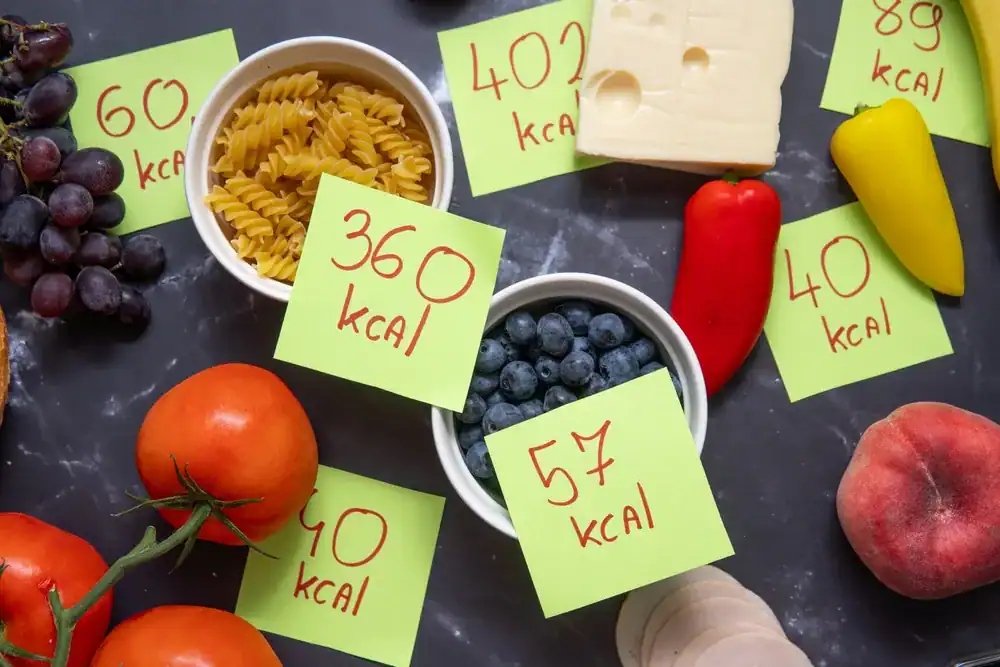
One in five (19 percent) say they have no idea if dark chocolate is good for them, while a further 19 percent admit they are left wondering how many times a week they can eat eggs.
Eight in ten (82 percent) wish they understood more about how to eat healthily and where to gain tailored, individual health advice.
Expert nutritionist Sophie Bertrand from Lingo by Abbott commented, ““With so much information at our fingertips with the internet and social media – it’s easy to get confused, so always make sure you’re getting information from a reliable and trust-worthy source.
“The truth is our bodies all react differently to different foods, and while a diet low in sugar is generally key to helping manage blood sugar levels, you may react differently to a piece of fruit than your colleague or friend.
“Generally speaking, opting for protein and fibre rich meals can help keep you stay satisfied which may reduce sugar cravings. For main meals like lunch or dinner, I like to focus on plant-based foods that provide fibre such as vegetables, grains, nuts and seeds – and adding protein such as fish, eggs or tofu (meat eaters can also include meat options).
“Snacking on lower sugar fruits such as berries paired with nuts or nut butters can help you avoid blood sugar spikes. Unless you have specific dietary needs or certain intolerances or allergies – my advice is always to prioritise nutrient rich foods and just keep a close eye on what works best for you.”
THE 25 HEALTH QUESTIONS BRITS WOULD LIKE ANSWERED ONCE AND FOR ALL…
- Is fruit healthy or too high in sugar? – 29%
- How much water should I drink each day? – 28%
- Are diet soft drinks ok to consume? – 26%
- Is breakfast ‘the most important meal of the day?’ – 25%
- Does tea and coffee count towards my fluid intake? – 25%
- How much sugar should I eat? – 25%
- Should I be counting calories or carbs? – 25%
- How much protein should I be eating? – 24%
- Which fats are good and bad? – 23%
- How much fibre should I be eating? – 23%
- Is dark chocolate healthy – 21%
- How many eggs should I eat in a week? – 19%
- Should I cut out carbs completely? – 19%
- What are good bacterias? – 17%
- What are complex carbohydrates? – 16%
- Should I avoid gluten? – 16%
- Is red wine good for me? – 15%
- How important is my gut health? – 21%
- Is whole milk better than skimmed milk? – 19%
- Is olive oil better than butter?
- How much saturated fat should I eat? – 17%
- Should I be taking dietary supplements? – 18%
- Do egg yolks have too much cholesterol? – 12%
- Do I need to eat organic food to be healthy? – 12%
- Is wholewheat pasta still a carbohydrate? – 11%

Expert nutritionist at Lingo, Sophie Bertrand answers the top confusing questions around food and health as revealed in the survey*.
- Fruit is an extremely nutrient-dense food, but it does contain sugar. Too much of anything isn’t necessarily good for us – but a variety of fruit should be included as part of a nutrient rich diet.
- The NHS guidelines recommend drinking between six to eight glasses of water per day, but where possible we should be aiming for 2-3 litres per day. This might vary depending on how active you are and the nature of your lifestyle.
- Diet soft drinks don’t tend to be nutritious and can contain additives and sweeteners, so as with everything, should be consumed in moderation and as part of a varied, healthy diet.
- For some people breakfast is the most important meal of the day as they thrive off of fuelling their body first thing in the morning, but some individuals may function better when they eat later on in the day. It comes down to the individual. By wearing a continuous glucose monitor like Lingo, people can see the impact of their food intake on their body in real-time.
- Herbal teas count towards your fluid intake (which should be between 6-8 glasses per day) – however, coffee tends to dehydrate you, so it is important to drink enough water alongside your coffee.
- NHS guidelines state adults should have no more than 30 grams of free sugars per day.
- It’s more beneficial to consider the nutritional value and the quality of the food you’re eating than to count calories or carbohydrates. Energy intake depends on the individual.
- The guidelines recommend eating around 0.75 grams of protein per kilo of body weight per day – however there is some evidence to suggest up to 1.5 grams of protein per kilo of body weight intake per day can be more beneficial for people as they age in order to retain muscle mass. This can also depend on a person’s body composition and fitness goals.
- Not all fats are equal, and you want to be including healthy fats in your diet that can be found in olive oil, avocado and nuts.
- You should aim to eat 30 grams of fibre per day as per NHS recommended guidelines.
- There is evidence to suggest that including small amounts of dark chocolate in your diet can be beneficial due to the antioxidants it contains. Aim for dark chocolate that is 70% cocoa or higher.
- There is no evidence to suggest a strict number of eggs you can eat per week, but most people would be fine including eggs in their diet every day as they’re very nutritious.
- The NHS recommends that carbs should make up just over a third of the food we eat. Where possible – it is healthier to opt for high fibre or wholegrain carbs – like brown rice or potatoes with their skin on. It’s always about balance
- Good bacteria’s are probiotics that are associated with health benefits and are usually in foods such as live yoghurts or supplements.
- Fibre and starch are complex carbohydrates – they include whole grain carbs that have not been stripped of their fibre and are a strong source of energy.

