
8 Must-See Castles and Palaces Across Europe

Share

Europe is a continent steeped in history, where the echoes of the past resonate through its ancient castles and grand palaces.
These architectural marvels not only tell the tales of kings, queens, and empires but also showcase the stunning artistry and craftsmanship of bygone eras.
Whether perched atop rugged cliffs or nestled in serene landscapes, these eight must-see castles and palaces offer a glimpse into Europe’s regal heritage.
1. Pena Palace, Portugal
Nestled in the lush hills of Sintra, the Pena Palace is a vivid dreamscape of colors and architectural styles. Built in the 19th century, this Romanticist castle is a UNESCO World Heritage Site and one of Portugal’s most iconic landmarks. The palace’s eclectic mix of Gothic, Renaissance, and Moorish influences is complemented by its vibrant hues of red and yellow, creating a striking contrast against the surrounding green forests.

Visitors can explore the palace’s opulent rooms, each filled with antique furniture and artwork that reflect the grandeur of Portugal’s past. The expansive gardens, with their winding paths, hidden grottoes, and exotic plants, offer breathtaking views of the surrounding landscape. The Pena Palace is not just a castle; it’s a journey into a fairytale world where history and fantasy intertwine.
2. Royal Palace of Madrid, Spain
The Royal Palace of Madrid is the largest royal palace in Europe by floor area and serves as the official residence of the Spanish Royal Family, though it is now primarily used for state ceremonies. Built on the site of a 9th-century Muslim fortress, this 18th-century baroque palace boasts 3,418 rooms filled with exquisite tapestries, porcelain, and frescoes.
Touring the palace allows visitors to marvel at the grandeur of the Throne Room, the Royal Chapel, and the King’s Apartments. The Royal Armoury, one of the most significant collections of its kind in the world, offers a glimpse into the military history of Spain. For those planning a visit, securing Royal Palace of Madrid tickets in advance is highly recommended, as this iconic attraction draws visitors from around the globe.
3. Neuschwanstein Castle, Germany
Perched on a rugged hill in Bavaria, Neuschwanstein Castle is the embodiment of fairy-tale architecture. Commissioned by King Ludwig II of Bavaria in the 19th century, this Romanesque Revival castle was intended as a personal refuge for the reclusive king. However, its fantastical design and dramatic setting have made it one of the most famous and photographed castles in the world.
Neuschwanstein’s interior is just as enchanting as its exterior, with rooms adorned with intricate murals depicting scenes from Wagner’s operas, which Ludwig II adored. The castle’s location, amidst the scenic landscapes of the Bavarian Alps, offers stunning panoramic views, making it a must-visit for those traveling through Germany.
4. Edinburgh Castle, Scotland
Dominating the skyline of Scotland’s capital, Edinburgh Castle is a symbol of the country’s storied past. Built atop an ancient volcanic rock, the castle has witnessed many of Scotland’s most significant historical events, from royal ceremonies to bloody sieges.
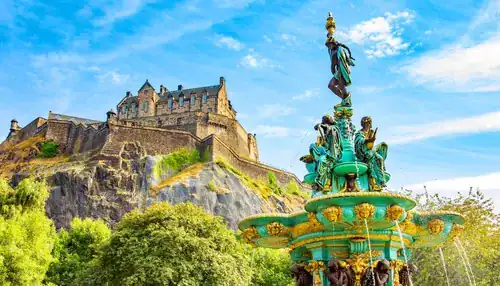
Visitors can explore the castle’s many attractions, including the Crown Jewels, the Stone of Destiny, and the National War Museum of Scotland. The Great Hall, with its medieval armor and weaponry, and St. Margaret’s Chapel, the oldest surviving building in Edinburgh, offer insights into Scotland’s turbulent history. The castle also provides sweeping views of the city and surrounding landscapes, making it a highlight of any trip to Scotland.
5. Château de Chambord, France
The Château de Chambord in the Loire Valley is a masterpiece of French Renaissance architecture. Built by King Francis I in the 16th century, this grand château is renowned for its distinctive blend of medieval and classical Renaissance elements. The château’s most famous feature is its double-helix staircase, which is believed to have been designed by Leonardo da Vinci.
The Château de Chambord’s sprawling estate includes vast gardens, forests, and hunting grounds, reflecting the grandeur of the French monarchy. Inside, visitors can explore over 400 rooms, each adorned with period furnishings, tapestries, and artwork. The château’s exterior, with its intricate spires, chimneys, and turrets, is a sight to behold, making it one of France’s most visited landmarks.
6. Alhambra, Spain
The Alhambra is a breathtaking palace and fortress complex located in Granada, Spain. Originally built by the Moors in the 13th century, the Alhambra is a stunning example of Islamic architecture, with its intricate stucco work, ornate tile mosaics, and beautiful gardens.
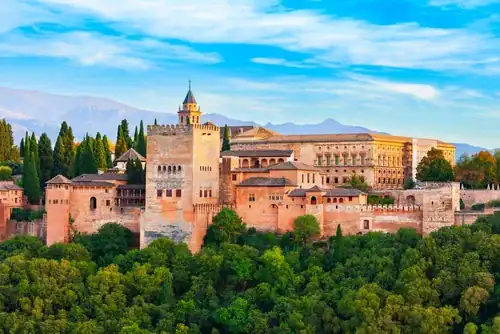
Visitors to the Alhambra can explore the Nasrid Palaces, where the exquisite Hall of the Ambassadors and the Court of the Lions showcase the height of Islamic art and design. The Generalife, the summer palace and gardens, offers a peaceful retreat with its fountains, flower beds, and panoramic views of Granada. The Alhambra’s unique blend of Moorish and Renaissance architecture, along with its historical significance, makes it a must-see for anyone visiting Spain.
7. Prague Castle, Czech Republic
The Prague Castle is the largest ancient castle in the world, dominating the skyline of the Czech capital. Founded in the 9th century, the castle has been the seat of Czech kings, emperors, and presidents for over a thousand years. Its complex includes palaces, churches, and gardens, each reflecting different architectural styles from Romanesque to Gothic to Baroque.
The highlight of any visit to Prague Castle is St. Vitus Cathedral, a Gothic masterpiece that houses the tombs of Czech kings and the Crown Jewels. The Old Royal Palace, with its impressive Vladislav Hall, and the picturesque Golden Lane, lined with colorful houses, are also must-sees. The castle’s elevated position offers stunning views of Prague’s red-tiled rooftops and the Vltava River, making it a favorite among visitors.
8. Palace of Versailles, France
The Palace of Versailles is synonymous with opulence and grandeur. Originally a hunting lodge, it was transformed by King Louis XIV into the magnificent palace that stands today, symbolizing the absolute power of the French monarchy. The palace’s Hall of Mirrors, with its glittering chandeliers and gilded decorations, is one of the most famous rooms in the world.
Visitors can explore the lavishly decorated rooms of the palace, including the King’s and Queen’s apartments, as well as the expansive gardens, which feature fountains, statues, and meticulously manicured lawns. The Palace of Versailles is not just a symbol of royal extravagance but also a UNESCO World Heritage Site that attracts millions of visitors each year.
Conclusion
Europe’s castles and palaces are more than just architectural marvels; they are the keepers of the continent’s rich and diverse history. From the colorful turrets of Pena Palace to the grandeur of the Royal Palace of Madrid, each site offers a unique glimpse into the past, where tales of power, art, and culture are etched into the very stones. For history enthusiasts and travelers alike, these eight must-see castles and palaces are essential stops on any European journey. Whether you’re exploring the romantic ruins of Neuschwanstein or walking through the opulent halls of Versailles, you’ll find yourself transported to a time when kings and queens ruled, and history was written in stone.

