Postpartum Hair Loss & How To Stop The Shedding!

Share
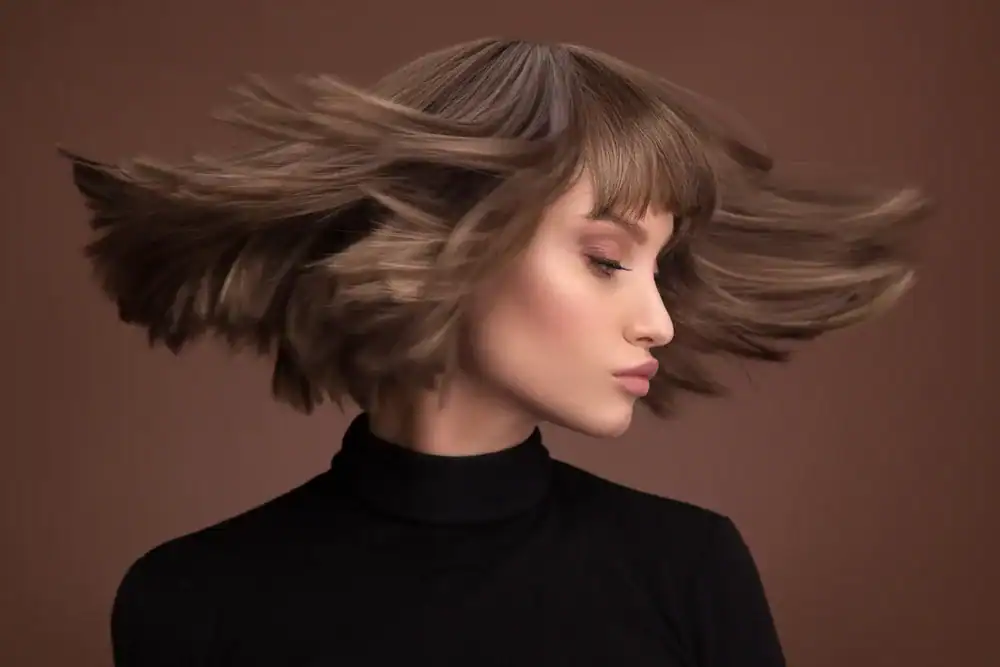
Struggling with postpartum hair loss like Rihanna? Top tips to help anyone tackling the issue!
“The postpartum period can be a wonderfully exciting time as mums get to know their new babies. But many new mums may be surprised by the changes their body goes through even after they have given birth.
“One of the common symptoms experienced during the postpartum period is hair loss. In fact, one study on over 300 women found that over 90 percent had experienced hair loss following the birth of their child.
“Singer and entrepreneur Rihanna recently opened up about her experience with postpartum hair loss, admitting that she was surprised by how long it lasts.
“While it can be distressing to lose so much hair, it’s important to remember that this phase won’t last forever and is a natural side effect of pregnancy. Postpartum hair loss typically peaks between three and five months postpartum. However, new mums should notice new hair growth from around six months and generally see regrowth by the time their child turns one.
“So, if, like Rihanna, you’re navigating this new normal and struggling to come to terms with it, here’s some advice on tackling the issue from the inside out…
#1 Treat your hair gently
“When experiencing postpartum hair loss, it can be tempting to style your hair regularly and go about your haircare routine as normal. However, regular styling and use of hair tools and heat can damage your hair further.
“When washing your hair, avoid scrubbing your scalp too vigorously as this can damage hair the hair shaft and contribute to further hair loss. A gentle circular motion is more than enough to ensure your hair is cleansed thoroughly.
“Meanwhile, when drying hair, use the hair dryer on a cool setting to avoid further heat damage. Also, avoid using heat tools like straighteners or curlers where possible and instead opt for heatless styling methods like flat wrapping or overnight curls.
“Excessive hairstyles or grooming like tight ponytails and vigorous hair brushing can also tug on hair strands, causing further hair loss. Looser, down hairstyles or up but in a loose braid, bun or ponytail are preferable.
#2 Nourish your body
“Caring for a new baby can be draining, so you must ensure your body gets all the necessary nutrients.
“A diet filled with dark leafy greens, like spinach and kale, high-protein foods like eggs and beans, plenty of Omega-3, Vitamins A, C & E and foods rich in omega 3s like fish and nuts is ideal. Hair follicles consist of a protein called keratin, meaning that when you consume a reasonable amount of protein, the hair can produce more keratin, which helps hair repair and grow.
“Additional supplements, like collagen and biotin, can also be encourage new hair growth.
#3 Give your hair and scalp some extra attention
“When experiencing postpartum hair loss, it can be tempting to tie it up and forget about it. But paying a little bit of extra attention to your hair can make a big difference.
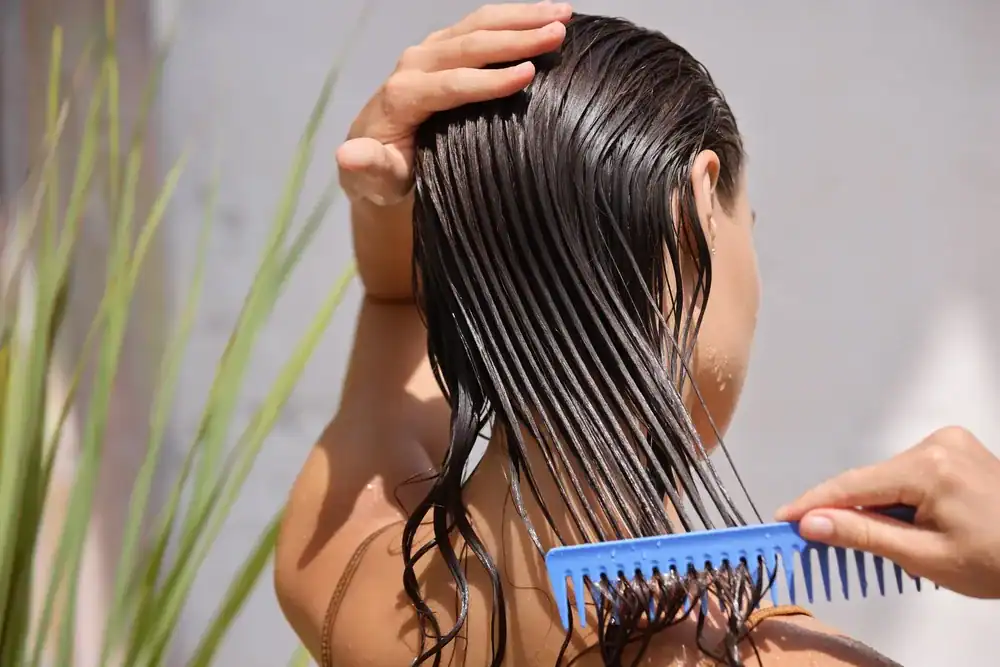
“A gentle massage after you’ve washed your hair can help new hair growth and keep the lengths of your hair shiny.
“Nutritious oil like argan or avocado, applied to the lengths of the hair can help boost shine and protect it from damage.
“For more advanced hair loss, cosmetic procedures that involve injecting platelet-rich plasma or polynucleotides into the scalp, can combat hair loss and stimulate hair growth.
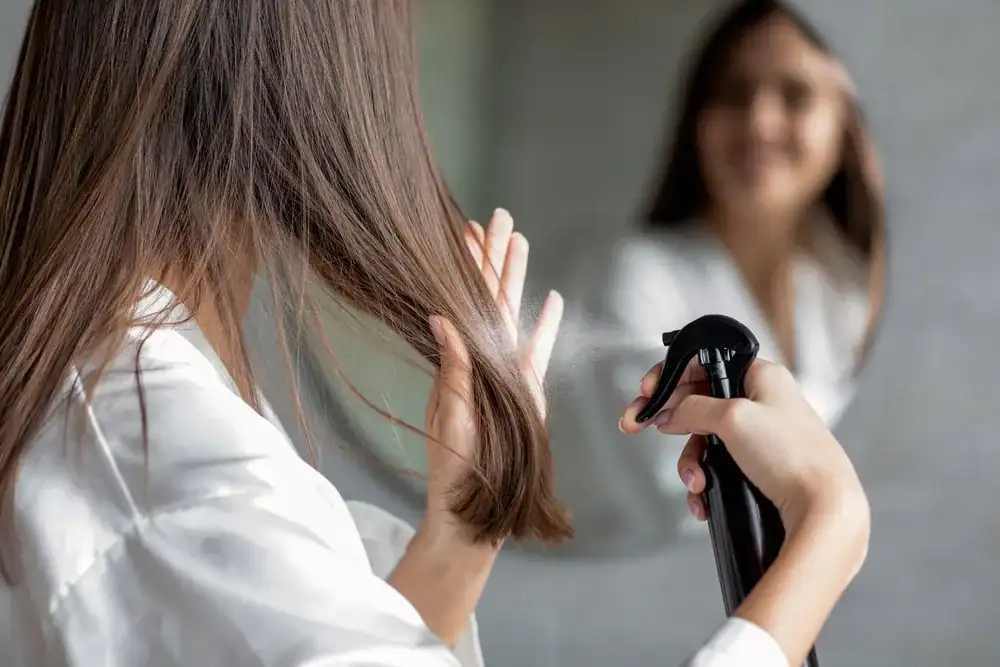
“However, if your purse strings are a little tighter these days, consider making a hair mask yourself from natural ingredients.
#4 Get a self-confidence boost
“If your self-confidence has taken a knock due to hair loss, consider investing in self-care to give you an extra boost.
“Whether it’s an at-home hair mask or the odd blow-dry, it’s important you make time to treat yourself. For those who prefer to mask thinning hair, hair extensions are a great way to get thick and healthy hair quickly.
“Tape-in hair extensions are a more permanent solution placed using an easily removable, non-damaging adhesive to ensure no additional hair loss. These are an ideal option as they are gentle on the scalp and allow the natural hair to grow. For a temporary boost, clip-in extensions are ideal, as they can be worn and taken out whenever convenient.”