
How Technology is Improving Major Injury Recovery

Share

In the past, major injuries would not only cause devastating trauma but would also entail a long, complex and painful recovery. The landscape has dramatically changed, however, thanks to technological advancements in the world of medicine. From innovative treatments to cutting-edge devices, this article explores how technology is playing a pivotal role in enhancing recovery outcomes for individuals facing significant injuries, making it faster, more effective and tailored to individual needs.
Precision Medicine and Personalised Treatment Plans
Traditionally, injury treatment followed a one-size-fits-all approach. Now, advancements in genetic profiling and data analysis pave the way for precision medicine. Doctors can analyse a patient’s unique genetic makeup to understand how their body might respond to specific treatments, medications or rehabilitation techniques. This personalised approach can lead to faster recovery times and reduced risks of complications.
Telehealth: Remote Monitoring and Support
Telehealth allows patients to connect with their doctors and therapists virtually, using video conferencing or dedicated apps. This not only saves time but also allows for more frequent check-ins and monitoring.
This has potential benefits for individuals with brain injuries, ensuring they have access to neurologists, neuropsychologists and rehabilitation specialists for ongoing care and support. Other forms of support can include financial and legal assistance in the form of support from specialist brain injury solicitors, so that the affected person can focus on their recovery without the stress and strain of a complicated legal case.
VR for Rehabilitation
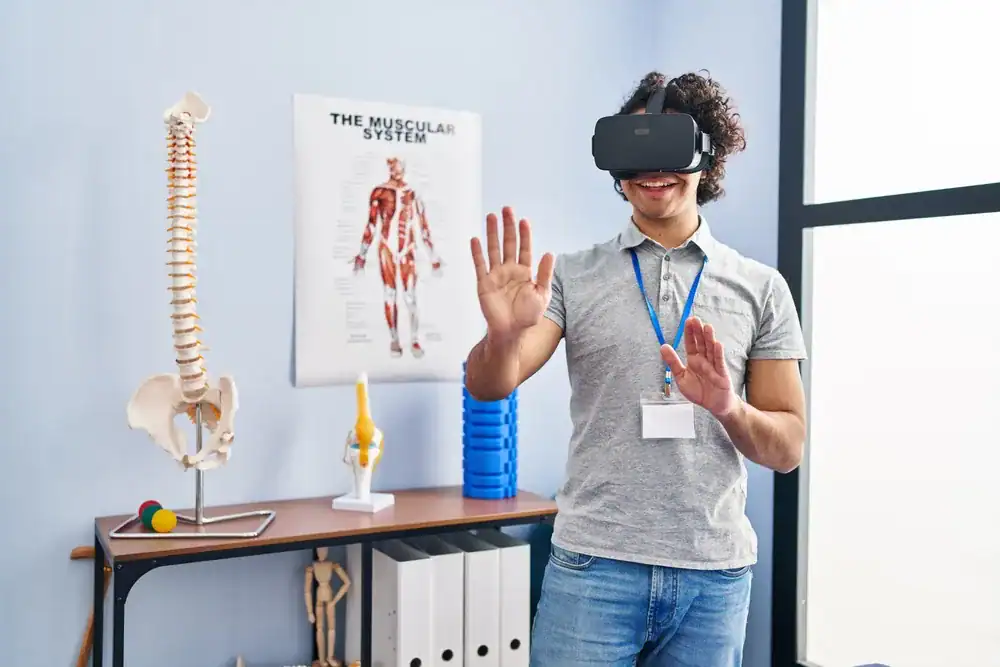
Immersive Virtual Reality (VR) experiences are being used to create engaging and interactive rehabilitation programs. VR provides a safe and controlled environment to practice exercises, improve motor skills and even manage pain. This form of VR rehabilitation provides patients with immersive and interactive environments that can aid physical and cognitive recovery.
Wearable Technology
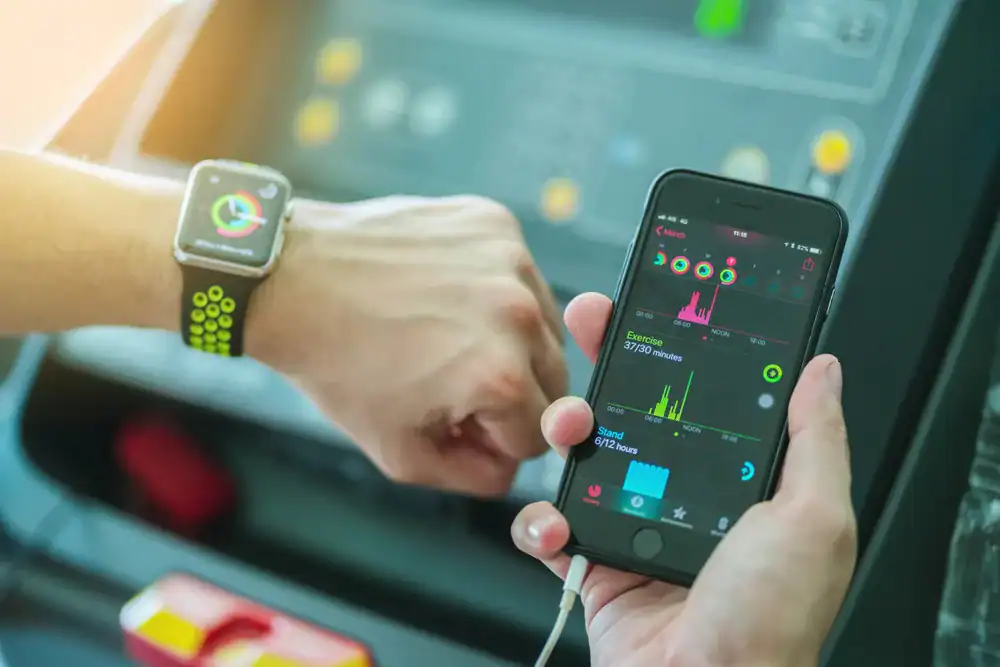
Wearable technology like smartwatches and fitness trackers are becoming increasingly sophisticated, offering valuable insights into a patient’s recovery process. These devices can track metrics like range of motion, sleep patterns and even heart rate, providing a wealth of data that doctors and therapists can use to monitor progress and adjust treatment plans accordingly.
For instance, wearable tech can monitor a patient’s gait after a knee replacement, helping them stay on track with their rehabilitation goals. Additionally, activity trackers can motivate patients to stay active and engaged in their recovery process.
The Future of Injury Recovery
These are just a few examples of how technology is transforming major injury recovery. As technology continues to develop, we can expect even more innovative solutions to emerge. The ultimate goal is not just to improve recovery times, but to empower patients to take an active role in their healing journey.

