
Transforming Your Child’s Bedroom into a Haven for Creativity and Rest

Share
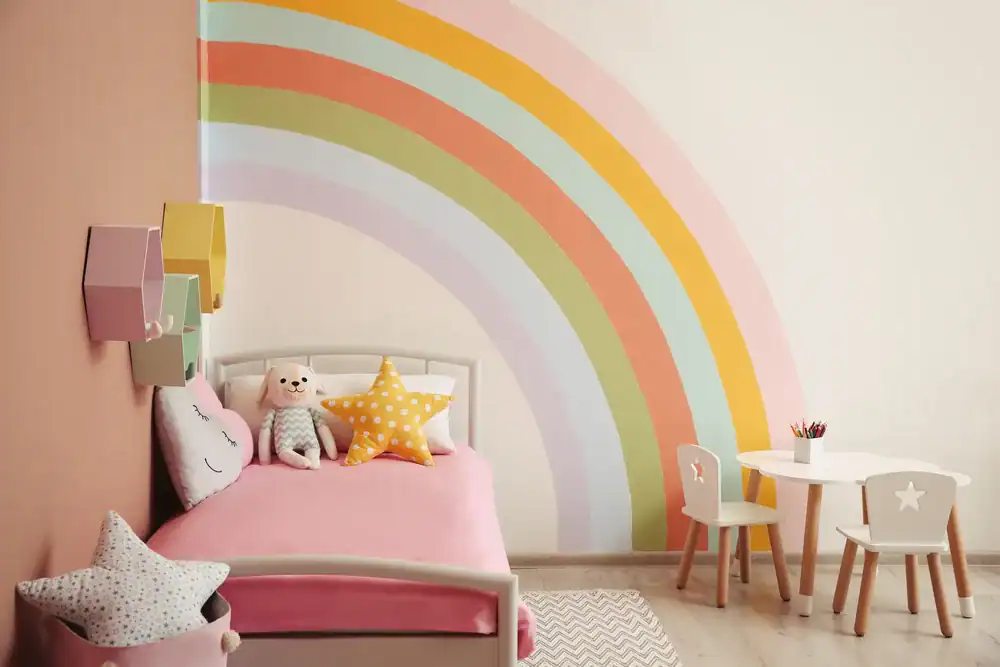
Creating a bedroom for your child that serves as both a space for creativity and rest can be a rewarding project. It’s about striking the right balance between fun and function, ensuring the room grows with them.
Here’s how you can achieve this balance, turning a simple bedroom into a multifaceted space that nurtures your child’s imagination and ensures they get the rest they need.
Start with the Basics
Begin with choosing the right bed, as it’s central to both rest and the room’s overall layout. Consider options from the Children’s Bed Shop, which offers a range of beds that can cater to changing needs, from toddler to teen. A bed with storage can be particularly useful for keeping clutter at bay, while themed beds add a fun element that can spark creativity.
Colour and Light
When selecting the colour palette for your child’s bedroom, think of the atmosphere you want to create. Soothing pastels such as soft blues, gentle greens, and warm peach can create a tranquil environment conducive to sleep. On the other hand, vibrant colours like bold yellows, dynamic reds, and rich purples can stimulate the mind and inspire creativity. The lighting in the room plays an equally crucial role.
Consider installing dimmer switches or using smart bulbs that allow you to adjust the brightness and even the colour temperature of the room. This flexibility means the room can be brightly lit during playtime or study hours and then softened to a warm glow as bedtime approaches.
Creative Corners
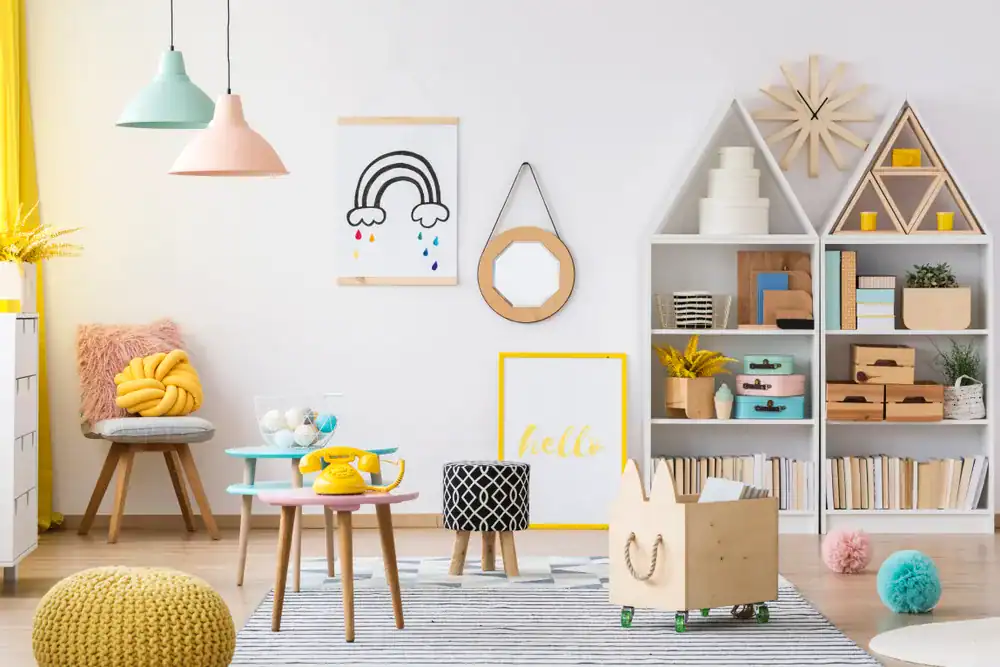
By dedicating specific areas of the room to particular activities, you not only organise the space more effectively but also encourage your child to engage in diverse pursuits.
A desk or a small table provides a perfect spot for drawing, writing, or homework, signalling that it’s a place for focus and creativity. A reading nook, perhaps featuring a tent or a beanbag chair with a bookshelf within easy reach, invites quiet time and literary exploration. For the little builders and artists, a craft area with accessible supplies on open shelving or in clear bins can spark spontaneous creativity.
Each area serves as a mini-hub of activity, tailor-made to suit different aspects of your child’s interests and needs, making the transition between play, work, and rest both effortless and natural.
Smart Storage
Effective storage solutions not only keep the room tidy but also teach your child about organisation and care for their belongings. Under-bed storage, for example, makes excellent use of space for rarely used items or seasonal clothing, keeping them out of sight but within easy reach. Meanwhile, wall-mounted shelves can display cherished items or books, making them a functional decoration.
Finally, storage boxes, baskets, and bins, preferably clear or labelled, can make it easier for your child to find what they’re looking for and encourage them to put things away after use.
Personal Touches
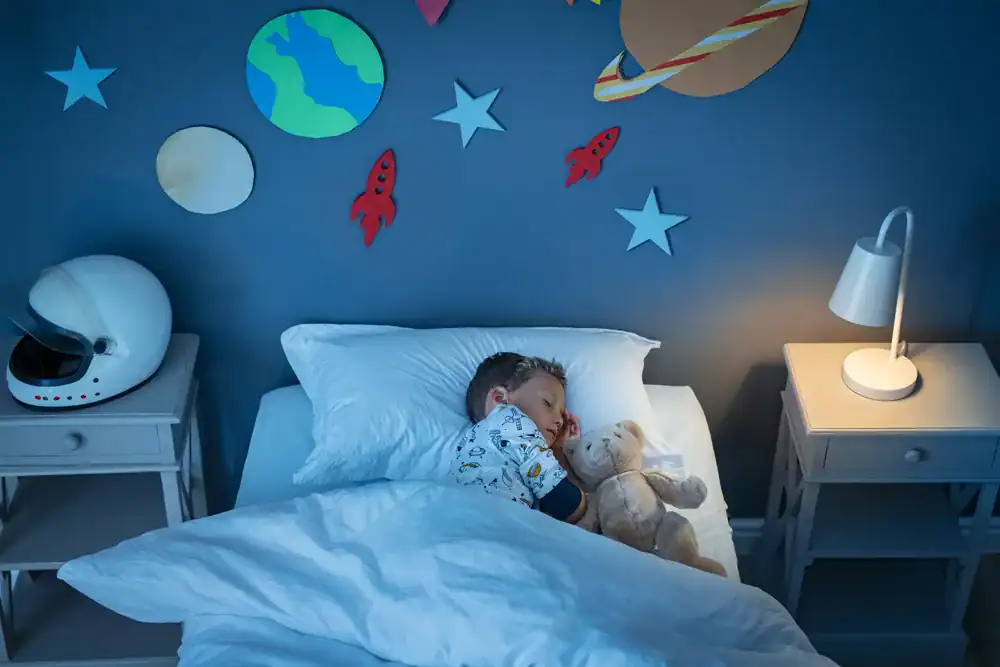
Encourage your child to personalise their space. Whether it’s displaying their artwork, choosing their bedding, or deciding on the room’s theme, involving them in the decision-making process can boost their creativity and give them a sense of ownership over their space.
Flexibility for Growth
As children grow, their interests and needs will change. Choose furniture that’s adaptable – for example, desks and shelving units that can be reconfigured. This flexibility allows the room to evolve with your child, making it a long-term investment.
Technology Considerations
While technology is a big part of our lives, it’s wise to limit its presence in the bedroom to ensure your child can disconnect and wind down properly before sleep. Create a tech-free zone or have specific times when devices are allowed, promoting healthier sleep habits.
Engaging Décor
Incorporating wall decals, interactive rugs, and fun lighting can transform your child’s room into a lively and explorative space. Selecting décor that mirrors your child’s passions, be it space exploration, jungle adventures, or fairy-tale kingdoms, can significantly fuel their imaginative play.
Adding to this, consider integrating interactive elements like a chalkboard wall or magnetic paint for them to draw and display their creations, further personalising their space. Fabric hangings or canopy tents can also create a whimsical atmosphere, offering a special retreat within their room for storytelling or quiet play. This mix of engaging décor beautifies the space and actively supports your child’s developmental needs, blending fun with functionality.

The Importance of Routine
Finally, a bedroom that promotes creativity and rest should also support a healthy routine. Having a consistent bedtime routine can help signal to your child that it’s time to wind down. This routine, supported by a well-designed bedroom, can help your child develop healthy sleep habits that last a lifetime.
As we wrap up, it’s probably become clear that transforming your child’s bedroom into a space that promotes both creativity and rest requires thoughtful planning and a bit of creativity itself. By considering your child’s needs, involving them in the process, and choosing the right elements, you can create a space that they’ll love to spend time in, both for play and for peaceful slumber.

