Skincare expert reveals why you should be wearing SPF on a plane

Share
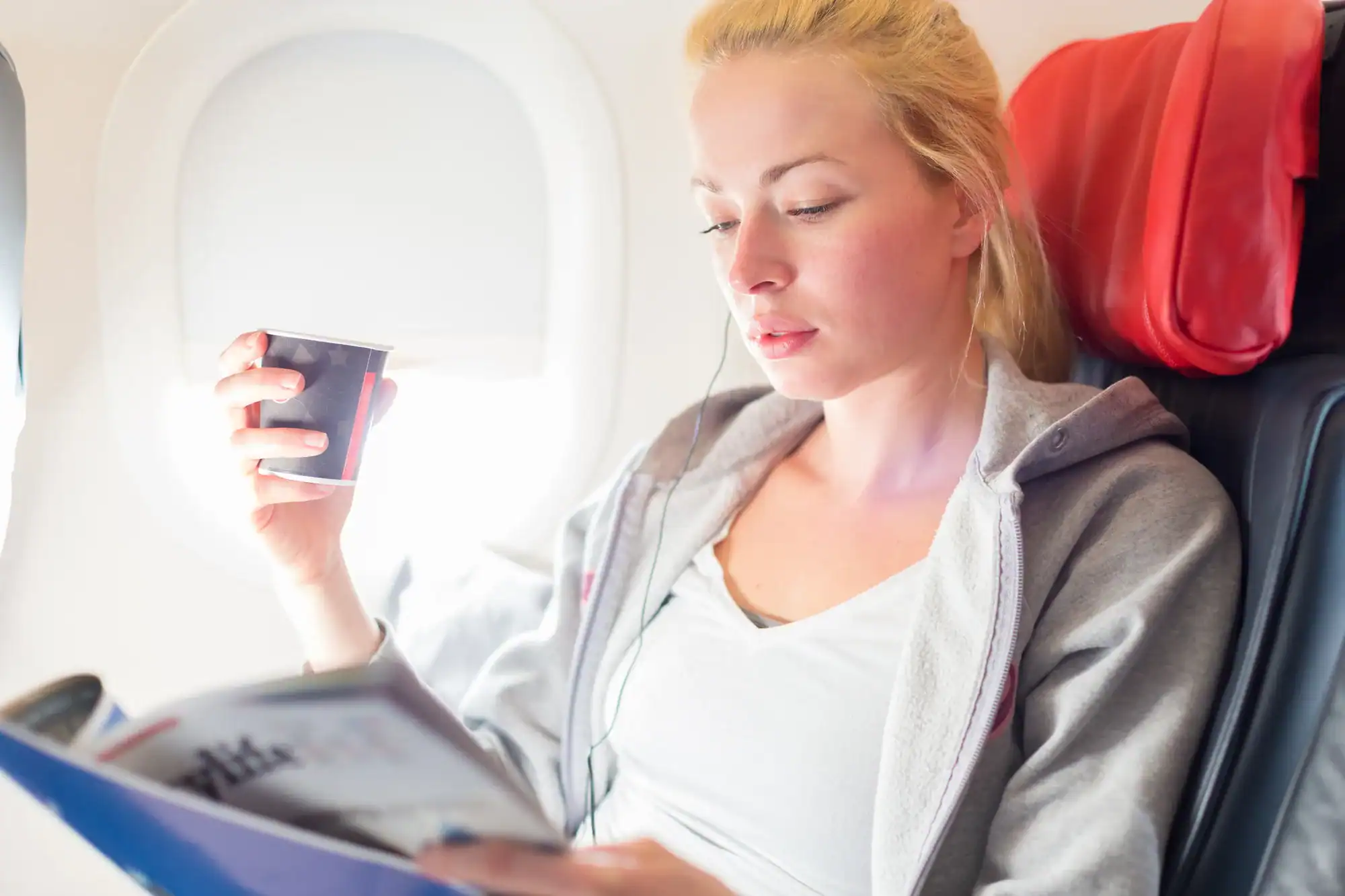
When considering holiday skin care, most usually worry about the level of SPF they will need for when they land, but whether travelling short haul or off to far-flung destinations – skin care should start at the airport.
Flying dries out the skin due to the very low humidity and oxygen levels in the cabin, add in the physical and mental stresses of travelling and it’s no surprise the skin may be dry and on the verge of breakout when you reach your destination.
To help prevent your skin from the effects of dry cabin air, online travel agent, loveholidays spoke to Liz Holebrook, qualified nurse practitioner and owner of ‘The Clinic’ to reveal the plane skincare tips that shouldn’t be skipped when travelling.
In-flight skin care tips
Liz highlights how “Exposure to low humidity can cause epidermal cells in the skin to dehydrate and lead to dry, dull, tight feeling and even make you feel itchy. Making travelling pretty rough on your skin.”
Follow the below tips to make sure you get off the plane feeling fresh:
- Stay hydrated.
Air travel can be dehydrating, plane air only has a humidity level of between 10 and 20 per cent, whereas the average air humidity in the UK sits at 80% – meaning the air is very dry.
Liz said “It’s essential to drink plenty of water before, during and after your flight. Staying hydrated helps keep your skin moisturised from within.
A top tip is to also carry a facial mist, “carry a travel-sized facial mist or hydration spray with you to spritz your face throughout the flight. This can help to both refresh and hydrate your skin.”

- Moisturise and wear SPF.
A plane’s dry air can lead to skin feeling tight and ultimately leave your skin feeling irritated. “Apply a moisturiser with hydrating ingredients such as hyaluronic acid or ceramides, before and during the flight to lock in moisture.
Additionally, Liz reiterated the importance of SPF, even whilst sitting on a plane. In the last few years especially, SPF has become a non-negotiable part of skincare routines thanks to its anti-ageing benefits alongside protecting against UV rays.
If you have a window seat, the sun’s UV rays can still penetrate through the aeroplane window. Protect your skin from the sun’s rays by applying sunscreen to exposed areas.” A top tip is to make sure that you’re applying two finger lengths worth of sunscreen to your face and neck.
- Don’t forget eye and lip care.
Whilst most of us typically focus on our skin, it’s easy to forget that our eyes and lips need TLC too.
Travel fatigue can lead to puffy eyes. Use a hydrating eye cream, or gel, to keep the delicate skin around your eyes moisturized. This can help minimise puffiness and dark circles.”
Additionally, dry air can lead to chapped lips so applying a nourishing lip balm is essential.
- Face masks
We’ve all seen TikTok’s inflight skincare routines including a face mask and that’s because they are a great way of feeding thirsty skin.
Consider using a hydrating sheet mask or a leave-on mask during a long-haul flight. These masks can provide an extra boost of hydration to your skin.” Facial sheet masks are typically allowed in carry-on luggage and are great for creating a barrier between your skin and the dry cabin air, preventing moisture loss.
- Avoid Heavy Makeup and avoid touching your face.
If you have dry or sensitive skin, heavy makeup can clog your pores and contribute to skins dryness throughout the flight.
Opting for a minimal or no-makeup look whilst travelling is the best and consider using lightweight and non-comedogenic products that don’t contain pore-clogging ingredients.
Passengers should try and refrain from touching their faces throughout the flight as aeroplanes are a “breeding ground for germs” and that doing so will minimize the risk of transferring bacteria and causing breakouts.